High Drop-out Rate Alert
30% of students drop out or transfer from this specific course. Consider asking why on an open day.
BA Global Affairs, Politics and International Relations with Economics
About this course
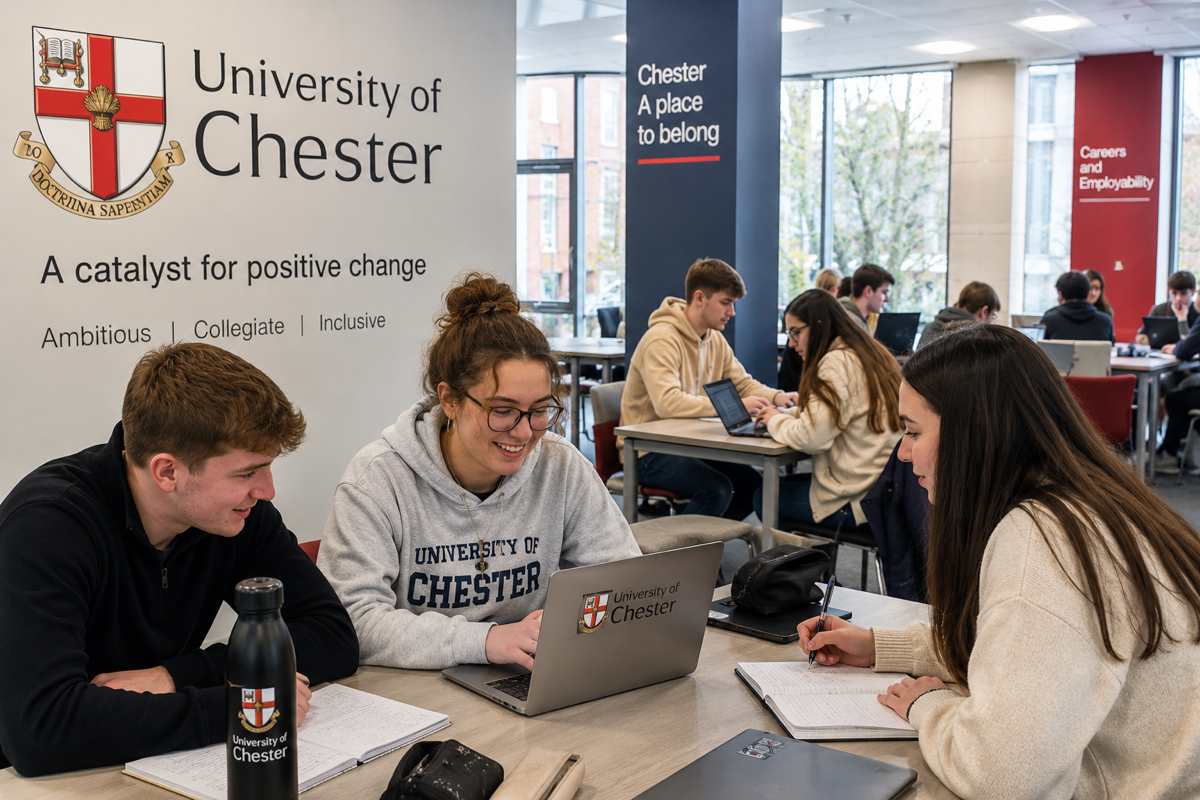
Global affairs, politics, and international relations with economics is a degree designed for students who want to understand how the world works in its full complexity. The contemporary international order is shaped by the decisions of states, international organisations, corporations, and civil society groups operating within frameworks of law, trade, diplomacy, and power. Politics and international relations provide the conceptual and analytical tools to understand those actors and frameworks, examining questions of sovereignty, conflict, cooperation, democracy, and justice. Economics adds the quantitative and theoretical dimension needed to analyse trade, investment, growth, inequality, and the material incentives that drive political behaviour. Together, they make for a genuinely integrated approach to understanding global challenges. At the University of Chester, this three-year full-time programme is designed with both intellectual rigour and career outcomes in mind. You will study the key concepts of political science and international relations theory alongside the principles of micro- and macroeconomics, developing the capacity to bring both perspectives to bear on real-world problems. Topics may include international security, the politics of globalisation, development economics, environmental governance, trade policy, and the role of multilateral institutions. The degree includes a sandwich year with a work placement, giving you a sustained period of professional experience in an applied context, as well as the option of a year abroad to broaden your comparative perspective on global affairs. Graduates of this combination are prepared for a wide range of careers. Common destinations include roles in the civil service, foreign affairs, international organisations, non-governmental organisations, think tanks, journalism, policy consultancy, and international business. The analytical skills the degree develops, particularly the ability to integrate economic and political analysis of global events, are valued by employers across the public, private, and third sectors. Many graduates also continue to postgraduate study in international relations, global governance, international economics, development studies, or security studies, building the specialist depth needed for advanced careers in these fields.
Syllabus & Modules
Typical curriculumStudent Satisfaction
National Student Survey - 10 respondents (80% response rate)
Similarly Ranked Alternatives

What comes next? 🎓
Choosing the right university starts with choosing the right school. Explore transparent, data-driven school profiles powered by official DfE statistics.
Explore Schools on WhatSchool.ai →