High Drop-out Rate Alert
20% of students drop out or transfer from this specific course. Consider asking why on an open day.
BA Geography and History
About this course
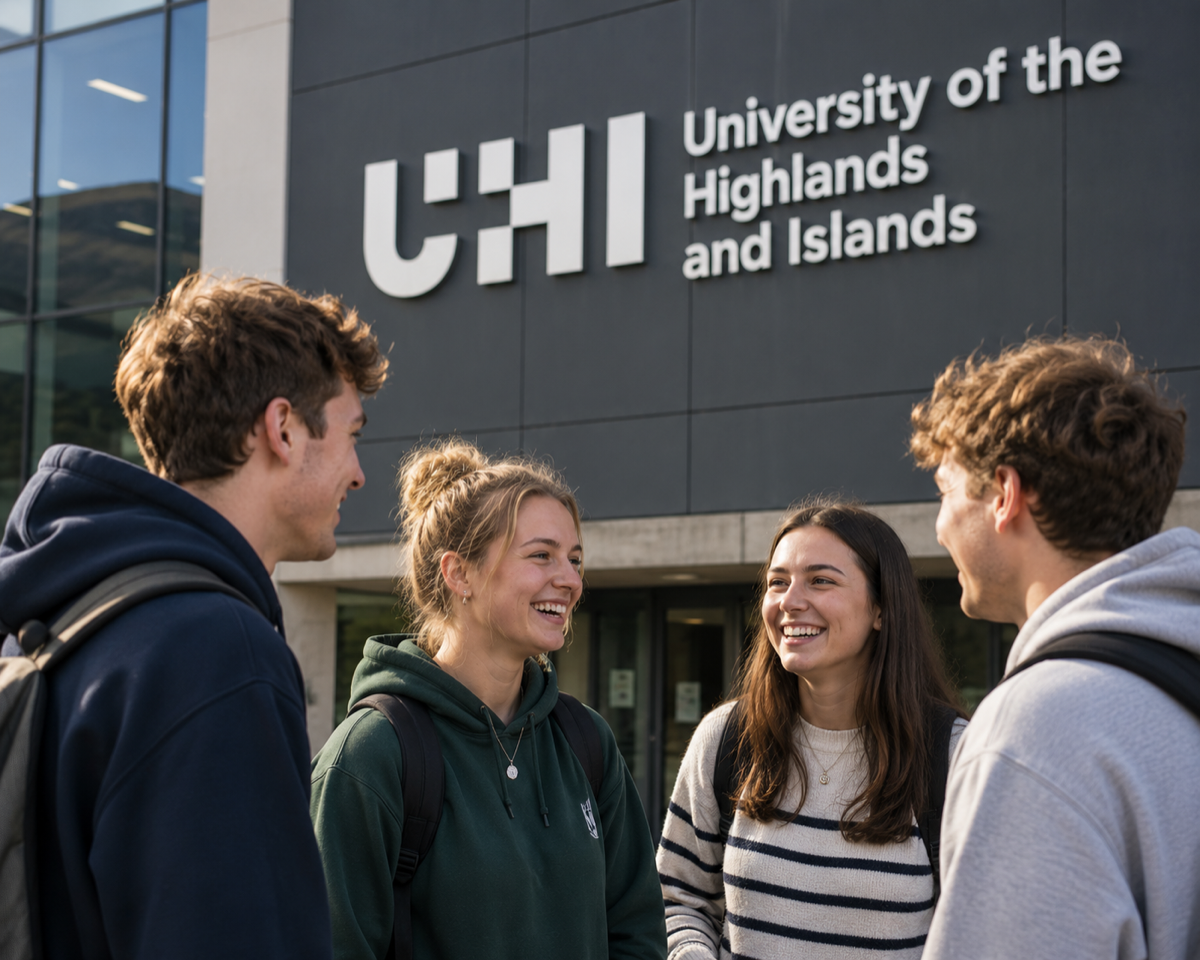
Geography and history is a combination that explores the world across both its spatial and its temporal dimensions, developing an understanding of how places, environments, and human societies have been shaped by both the physical forces of the earth and the long arc of human activity. At the University of the Highlands and Islands, this MA Geography and History programme is available in multiple modes of study, allowing you to choose the pace that suits your circumstances, whether studying most days of the week like a full-time student, taking a reduced number of units per week, or studying one unit at a time over a longer period. Geography brings you into engagement with the physical processes that shape landscapes, coasts, rivers, and climates alongside the human geography that examines how people organise themselves in space, how economic and social patterns are distributed across places, and how environments are experienced and transformed by different communities. History develops your capacity to work with evidence from the past, situating events and developments in their social, political, economic, and cultural contexts and engaging with the interpretations that historians have offered. The University of the Highlands and Islands is distinctive in its regional context, with particular strengths in the history and geography of the Scottish Highlands and Islands, a region with a rich and sometimes turbulent history and a remarkable physical landscape that raises important questions about environmental change, land use, and community resilience. Graduates of geography and history programmes carry a combination of spatial awareness, environmental understanding, historical analytical skill, and research competence that serves well across a range of careers. Environmental consultancy, heritage management, teaching, local government, community development, planning, journalism, and research are among the natural career destinations. The flexible modes of study make the programme accessible to mature students and those with professional or personal commitments alongside their studies. Some graduates go on to postgraduate study in geography, history, heritage studies, or environmental management, while others move directly into professional roles that draw on one or both disciplines.
Syllabus & Modules
Typical curriculumStudent Satisfaction
National Student Survey - 20 respondents (79% response rate)
Similarly Ranked Alternatives



What comes next? 🎓
Choosing the right university starts with choosing the right school. Explore transparent, data-driven school profiles powered by official DfE statistics.
Explore Schools on WhatSchool.ai →