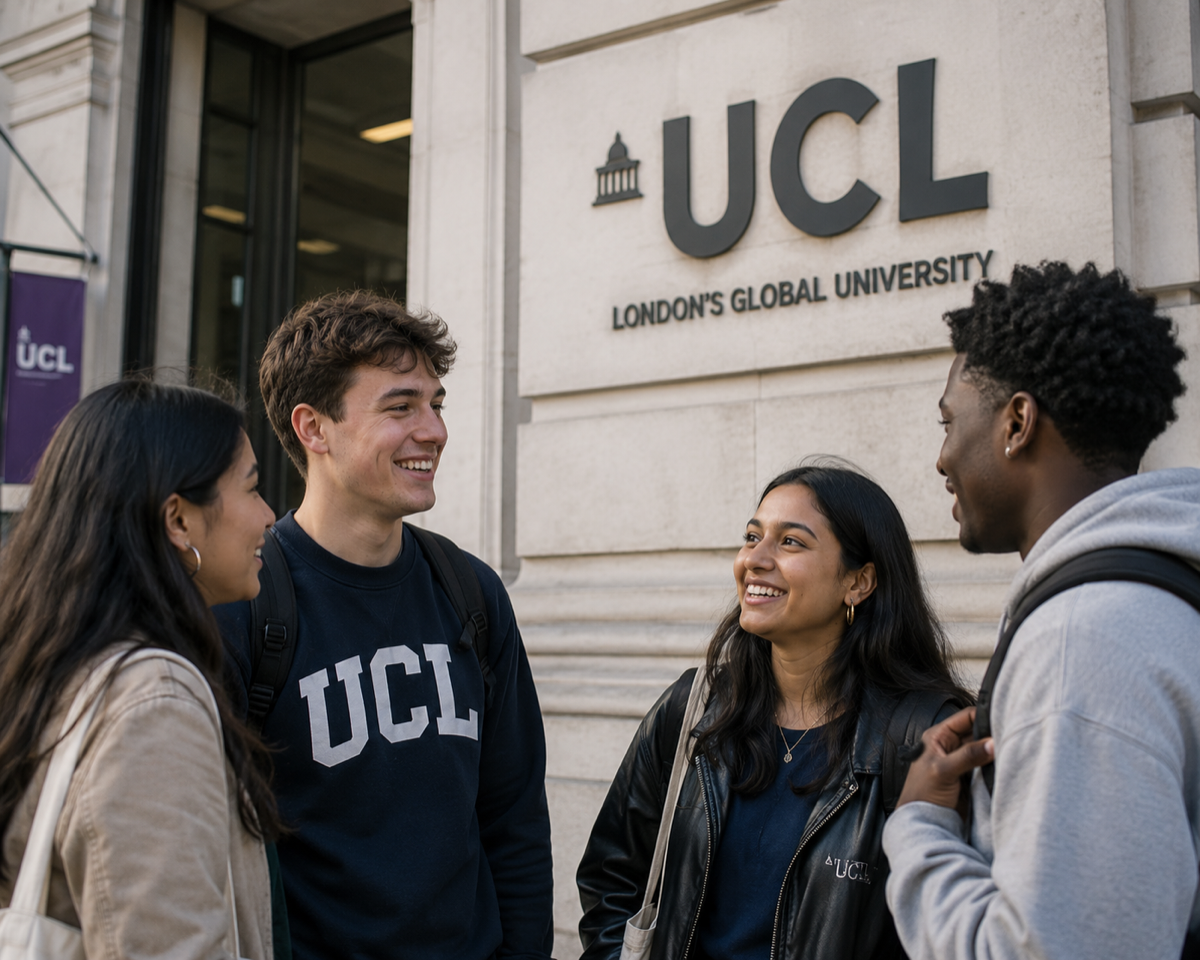
BA French and Serbian/Croatian
About this course
French and Serbian/Croatian is a combination that develops high-level competence in a major global language alongside proficiency in one of the principal languages of the Western Balkans, a region of growing strategic importance in European politics and economics. French is spoken as a first or second language by over 300 million people across Europe, Africa, the Caribbean, and beyond, and carries with it a vast and influential literary, philosophical, and cultural heritage. Serbian and Croatian are closely related South Slavic languages that serve as the main languages of Serbia, Croatia, Bosnia and Herzegovina, and Montenegro, giving access to a complex and historically rich region at the heart of debates about European integration, identity, and post-conflict recovery. At University College London, this four-year, full-time joint honours programme divides your study equally between your two language areas, taught by the School of European Languages, Culture and Society and the School of Slavonic and East European Studies respectively. You will develop proficiency in speaking, listening, reading, writing, and translation in both French and Serbian/Croatian, alongside cultural knowledge of the societies that use them, including literature, history, film, linguistics, and politics. The third year is spent abroad, divided between a French-speaking and a Serbian or Croatian-speaking country, giving you the immersive experience essential for reaching an advanced level in both. Graduates of French and Serbian/Croatian work in diplomacy, international journalism, translation and interpretation, international business, NGOs, and organisations with interests in the Balkans and the Francophone world. The combination is genuinely distinctive, opening roles in European affairs and Balkan regional organisations as well as in wider international contexts. Many graduates continue to postgraduate study in modern languages, European studies, translation, or related fields, building specialist expertise for academic or professional careers.
Syllabus & Modules
Typical curriculumStudent Satisfaction
National Student Survey - 25 respondents (64% response rate)
Similarly Ranked Alternatives



What comes next? 🎓
Choosing the right university starts with choosing the right school. Explore transparent, data-driven school profiles powered by official DfE statistics.
Explore Schools on WhatSchool.ai →