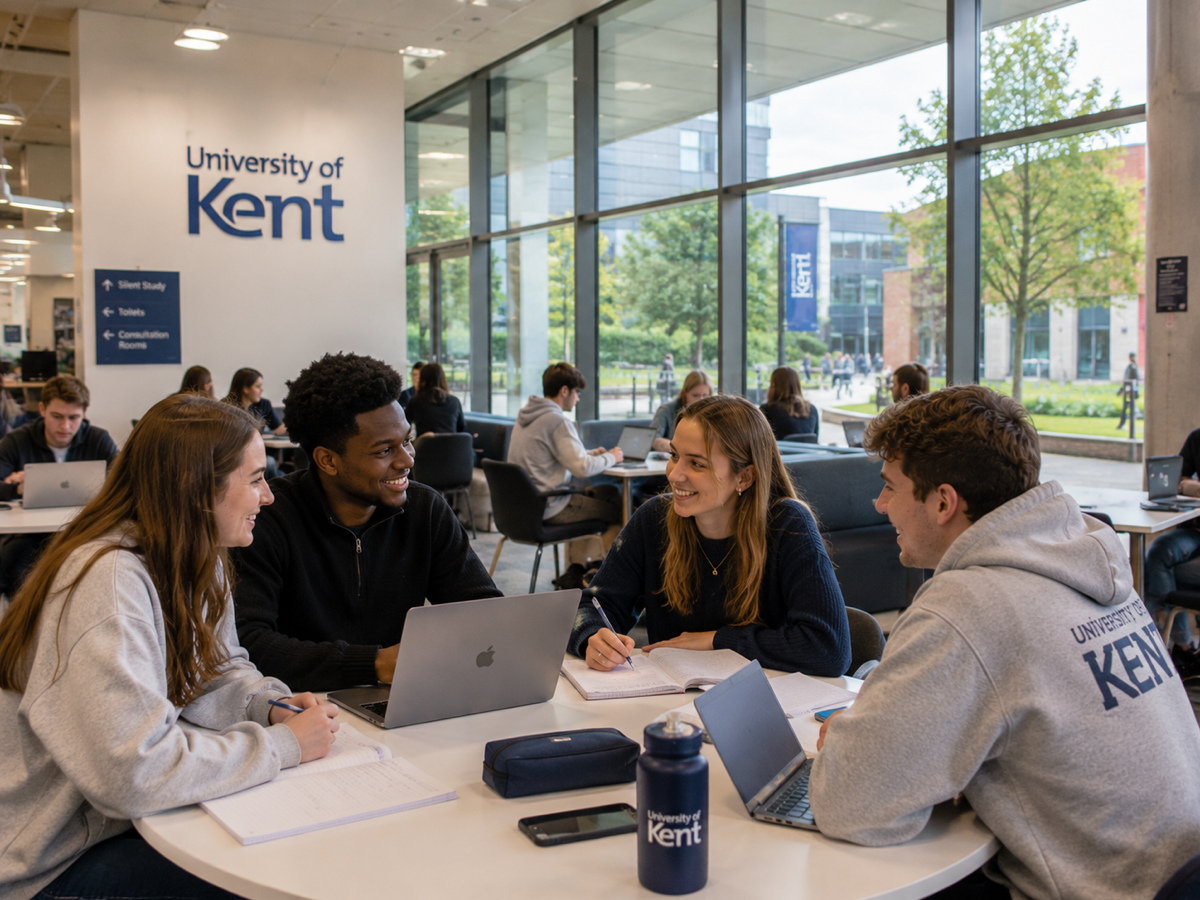
BSc Forensic Science with Foundation Year
About this course
Forensic science applies the methods and knowledge of physical, chemical and biological science to the investigation of crime and the provision of evidence in legal proceedings. It asks practitioners to examine physical evidence, from fingerprints, fibres and tool marks to digital records and biological samples, with the precision and rigour that the law demands, and to communicate their findings clearly and honestly in expert witness testimony. It is a discipline that combines scientific training with an understanding of the criminal justice system and the ethical responsibilities that come with providing evidence that can determine the outcome of criminal cases. At the University of Kent this four-year, full-time programme includes a foundation year, providing a supported entry route for students who need additional preparation in the natural sciences before engaging with the full degree. You will then study the scientific principles and practical methods of forensic investigation, including trace evidence analysis, ballistics, DNA profiling, toxicology, digital forensics, scene examination and the interpretation of physical evidence in legal contexts. You will also develop your skills in expert witness testimony and engage with the legal and ethical dimensions of forensic science practice, understanding what makes evidence both scientifically valid and legally admissible. Graduates pursue careers in forensic science laboratories working with the police and prosecution services, in environmental forensics, digital forensics, toxicology and pharmaceutical industries, healthcare laboratories, academic research and science-based legal support. Professional registration as a forensic scientist and membership of relevant professional bodies are common career development steps. Many graduates also continue to postgraduate study in forensic science, biochemistry, analytical chemistry, criminal justice or a related field, building on the undergraduate foundation to develop specialist expertise.
Syllabus & Modules
Typical curriculumStudent Satisfaction
National Student Survey - 10 respondents (61% response rate)
Similarly Ranked Alternatives


What comes next? 🎓
Choosing the right university starts with choosing the right school. Explore transparent, data-driven school profiles powered by official DfE statistics.
Explore Schools on WhatSchool.ai →