High Drop-out Rate Alert
25% of students drop out or transfer from this specific course. Consider asking why on an open day.
BSc Forensic Science
About this course
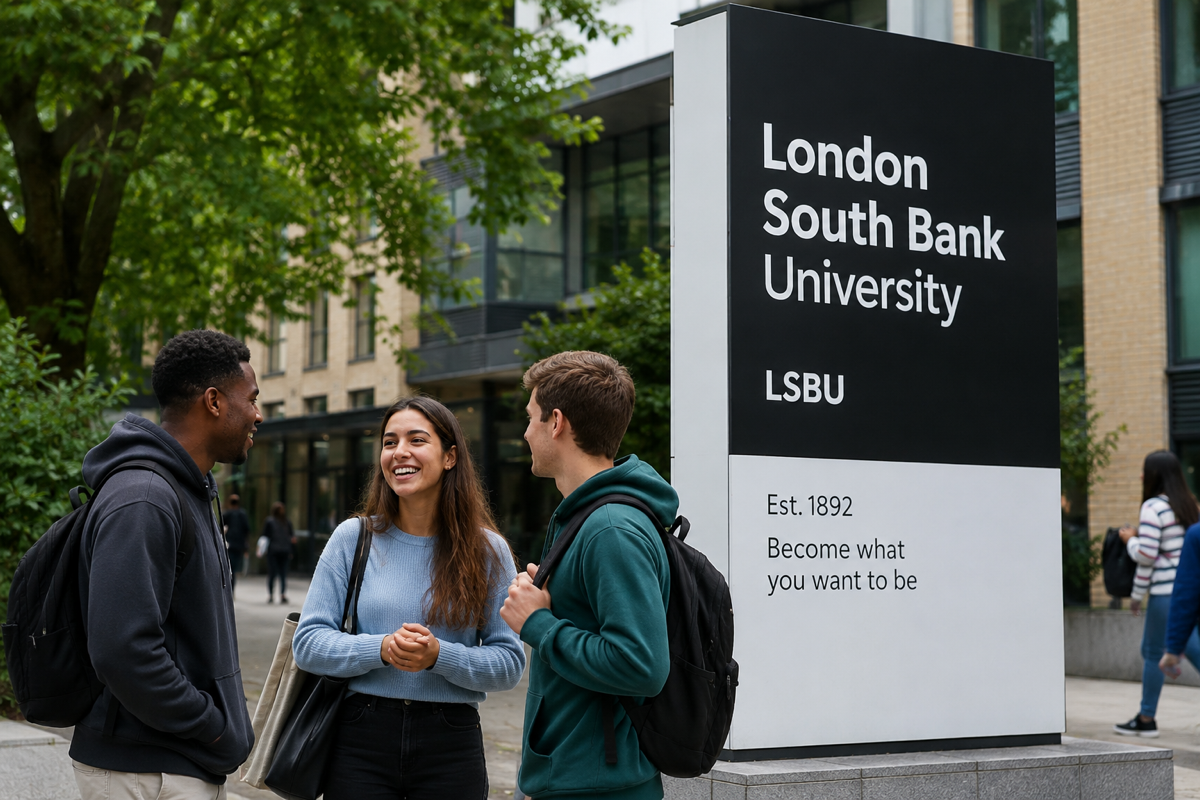
Forensic science applies the principles of the natural sciences to questions of legal investigation and justice. It is a discipline that sits at the boundary between chemistry, biology, physics, and law, drawing on all of these to analyse evidence from crime scenes, identify substances, establish the origins of materials, and provide expert testimony in legal proceedings. The work requires both scientific rigour and an understanding of how evidence functions within a legal system, where the standards of proof and the consequences of error are serious. At London South Bank University this three-year full-time programme develops your practical and analytical skills in the laboratory alongside theoretical knowledge of the forensic sciences. You will study how different types of evidence are collected, preserved, and analysed, including trace evidence such as fibres, glass, and paint, biological samples, toxicology, and the examination of documents and digital materials. The course develops your capacity for careful observation, methodical thinking, and precise reporting, all of which are essential for anyone working within the justice system. You will also develop an understanding of the legal framework within which forensic evidence is used and how expert witnesses communicate findings to courts. Forensic science graduates work in forensic laboratories for the public sector and private providers, in law enforcement, in toxicology, in environmental and food testing, and in healthcare. Some graduates move into roles in digital forensics, fraud investigation, or insurance. The analytical and scientific skills developed in the course are also transferable to pharmaceutical, chemical, and research roles beyond the forensic sector. For those who wish to specialise or pursue a research career, postgraduate study in forensic science, toxicology, analytical chemistry, or related fields provides a natural next step.
Syllabus & Modules
Typical curriculumStudent Satisfaction
National Student Survey - 30 respondents (91% response rate)
Similarly Ranked Alternatives


What comes next? 🎓
Choosing the right university starts with choosing the right school. Explore transparent, data-driven school profiles powered by official DfE statistics.
Explore Schools on WhatSchool.ai →