BSc Forensic Science
About this course
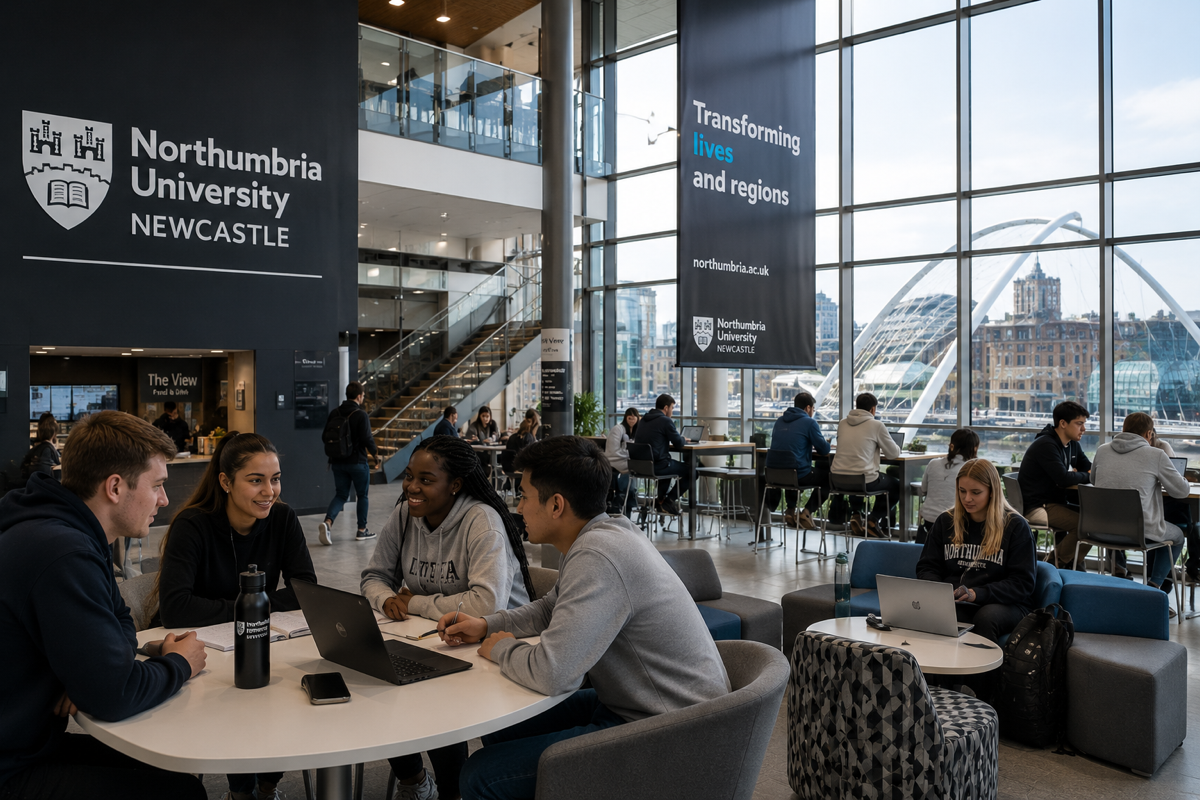
Forensic science applies the principles and methods of chemistry, biology, physics, and other sciences to the analysis of physical evidence in criminal and civil investigations. DNA profiling, fingerprint analysis, toxicology, ballistics, trace evidence analysis, and digital forensics are all part of a discipline that sits at the intersection of rigorous scientific practice and the demands of the justice system. The ability to carry out accurate, documented, and defensible analysis, and to communicate findings clearly in both written reports and potentially as an expert witness, is central to what forensic scientists do. This three-year full-time programme at the University of Northumbria at Newcastle includes a sandwich year, a year abroad, and a work placement, giving you an exceptionally rich combination of professional and international experience alongside your scientific training. The sandwich and placement years provide direct experience of working in forensic or related scientific environments, while the year abroad gives you the opportunity to study forensic science in a different national context. With a typical tariff of 136 points, the programme attracts students with strong scientific backgrounds who are motivated by the applied dimension of forensic work. You will develop skills in chemical and biological analysis, crime scene investigation principles, evidence handling and chain of custody, and the legal and ethical frameworks within which forensic evidence is presented and used. The practical laboratory and fieldwork elements are central to the curriculum, giving you the hands-on competence that professional forensic practice requires. Graduates from forensic science programmes move into careers in forensic laboratories, police forensic services, environmental monitoring, pharmaceutical and food quality testing, and research. Some continue to postgraduate study in forensic science or a related area. The combination of scientific rigour and applied justice context makes graduates versatile across laboratory-based roles in both the public and private sectors.
Syllabus & Modules
Typical curriculumStudent Satisfaction
National Student Survey - 25 respondents (63% response rate)
Similarly Ranked Alternatives


What comes next? 🎓
Choosing the right university starts with choosing the right school. Explore transparent, data-driven school profiles powered by official DfE statistics.
Explore Schools on WhatSchool.ai →