High Drop-out Rate Alert
30% of students drop out or transfer from this specific course. Consider asking why on an open day.
BSc Food & Nutritional Sciences and Human Biology (With Foundation Year)
About this course
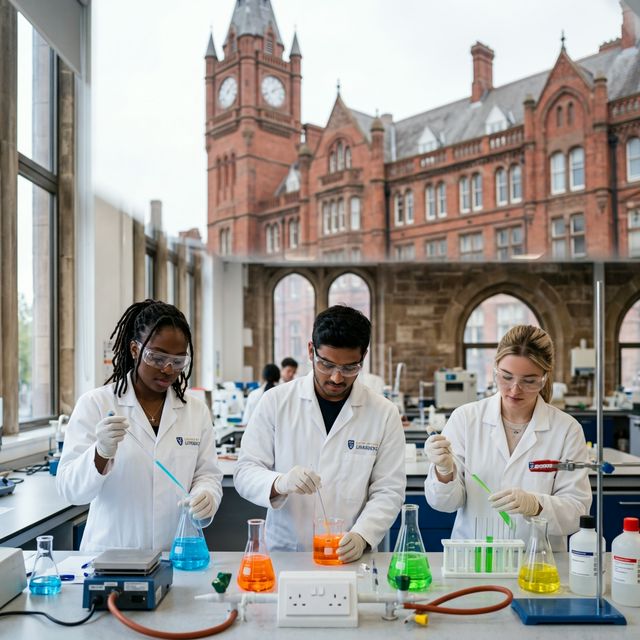
Food and nutritional sciences combined with human biology is a degree that addresses the fundamental question of how what we eat affects the bodies we inhabit. Food science examines the chemical, physical, and biological properties of food, how it is produced, processed, and preserved, and how its composition relates to health and disease. Nutritional science focuses on the nutrients that food contains, how they are metabolised, and how dietary patterns relate to physiological function and disease risk. Human biology provides the body-level context for both, examining the systems, organs, and tissues that food nourishes and that nutritional deficiencies or excesses can damage. At Liverpool Hope University, this four-year full-time programme with a foundation year offers a modern curriculum that challenges students across the key areas of both disciplines. The foundation year provides a structured scientific preparation before the main degree, and a sandwich year, year abroad, and work placements are available, giving you significant professional and international experience during your studies. You will study anatomy, physiology, biochemistry, microbiology, and the physiology of nutrition alongside food chemistry, food microbiology, and the evidence base for public health nutrition recommendations. The combination develops both the laboratory skills and the analytical understanding needed to work in food science, nutrition, and health-related research and practice. Graduates go on to careers in the food industry, public health, nutrition consultancy, research, food regulation, and the health and social care sector. Many pursue postgraduate study in nutrition, dietetics, food science, or public health, and some go on to register as nutritionists or to undertake further training as dietitians. The combination of food science and human biology provides a strong foundation for any career that requires an understanding of the relationship between diet and health at both individual and population level.
Syllabus & Modules
Typical curriculumStudent Satisfaction
National Student Survey - 10 respondents (83% response rate)
Similarly Ranked Alternatives

What comes next? 🎓
Choosing the right university starts with choosing the right school. Explore transparent, data-driven school profiles powered by official DfE statistics.
Explore Schools on WhatSchool.ai →