
High Drop-out Rate Alert
25% of students drop out or transfer from this specific course. Consider asking why on an open day.
BA Food & Nutritional Sciences and Health & Wellbeing
About this course
Food and nutritional sciences combined with health and wellbeing is a degree that addresses one of the central challenges of modern public health: how the food people eat shapes their health, and how understanding that relationship can be used to prevent illness and promote wellbeing at the population level. Food and nutritional sciences examines the composition and properties of food, the biochemical pathways through which nutrients are metabolised, and the evidence about how diet contributes to health and disease. Health and wellbeing brings a broader social and behavioural perspective, examining the determinants of health, the role of behaviour change, and the policy and public health frameworks through which governments and institutions try to improve population health. The three-year full-time Food and Nutritional Sciences and Health and Wellbeing programme at Liverpool Hope University is designed to develop graduates who understand the root causes of ill health and who have the drive and knowledge to promote health and wellbeing for all. The programme reflects the growing recognition that effective health improvement requires going beyond medicine to address the upstream social, environmental, and behavioural factors that shape health outcomes. A sandwich year, year abroad, and work placement options provide significant professional and international experience within the degree structure, which is particularly valuable in health and nutritional sciences where practical knowledge of how interventions are designed and delivered is highly relevant to graduate employment. With a typical entry tariff of 104 points, the programme is accessible and practically oriented. Graduates pursue careers in nutrition and dietetics (with further training), public health, health promotion, food industry roles including product development and quality assurance, community health support, and policy. Many also go on to postgraduate study in nutrition, public health, or health sciences.
Syllabus & Modules
Typical curriculumStudent Satisfaction
National Student Survey - 20 respondents (60% response rate)
Similarly Ranked Alternatives

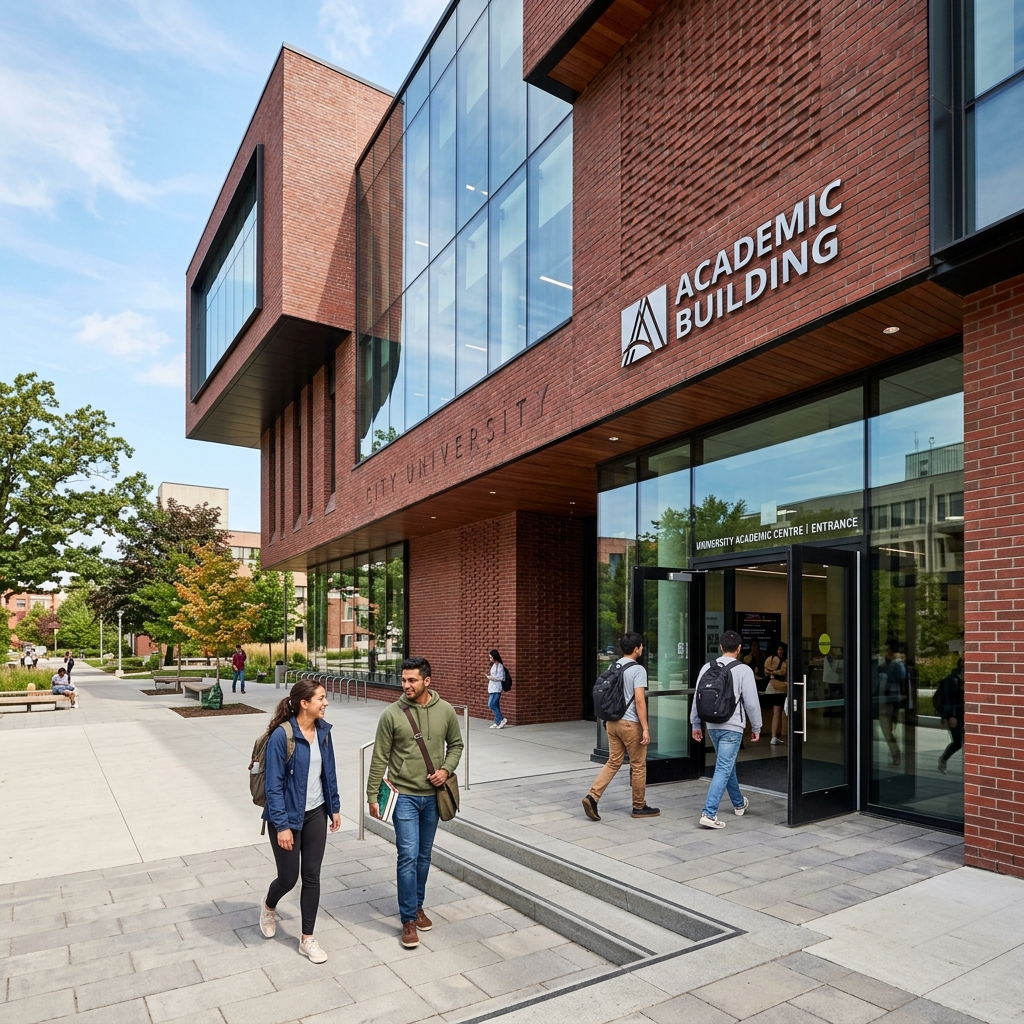


What comes next? 🎓
Choosing the right university starts with choosing the right school. Explore transparent, data-driven school profiles powered by official DfE statistics.
Explore Schools on WhatSchool.ai →