BA Fashion Textiles: Embroidery
About this course
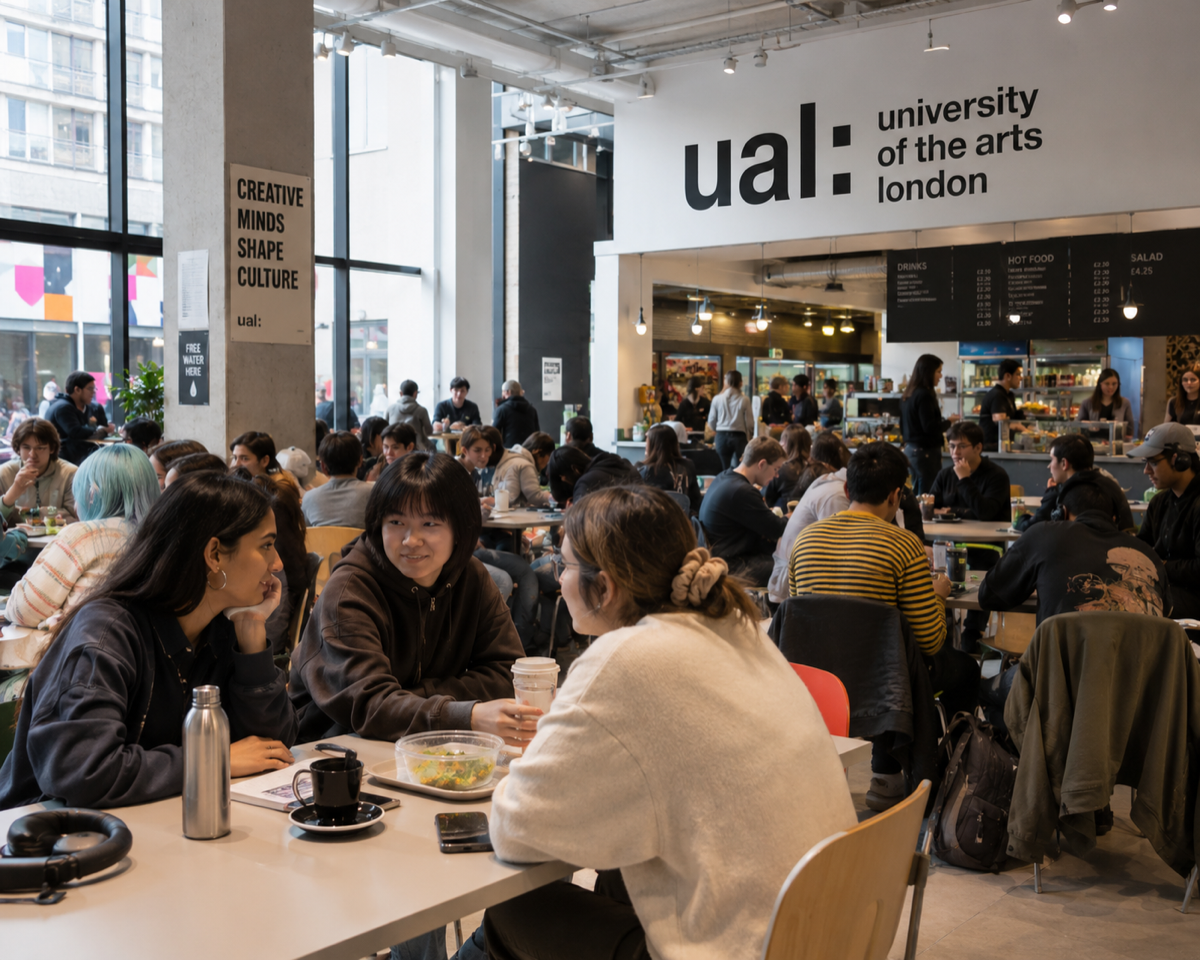
Fashion textiles with a specialism in embroidery occupies a remarkable position within design: it is simultaneously one of the oldest craft traditions in human history and one of the most technically inventive areas of contemporary fashion and textile practice. Embroidery encompasses hand and machine techniques, surface decoration, thread manipulation, and the integration of materials and digital processes, making it a discipline that rewards both patience and experimentation. At the University of the Arts London you will study across three years on a full-time programme that places practice at the centre of your learning. You will develop technical command of a range of embroidery and embellishment methods, from hand stitch and goldwork through to digital embroidery and mixed-media surface treatments. Alongside this craft knowledge you will build a rigorous understanding of fashion and textile history, design theory, and contemporary industry contexts. UAL's position as one of the world's leading arts universities means you will work within a richly collaborative environment, drawing on the institution's connections across fashion, fine art, and design. You will also have the opportunity to study abroad short-term over the summer break, an experience that allows you to engage with international design cultures and extend your creative perspective beyond the UK context. Students on this degree develop a design process grounded in research, material exploration, and iterative making. You will learn to respond to briefs, develop your own projects, and present work professionally, building the portfolio and communication skills that the industry expects of its practitioners. Critical engagement with questions of sustainability, cultural appropriation, and the ethics of production are woven through the curriculum, reflecting UAL's commitment to socially aware design education. Graduates typically move into careers in fashion design and embellishment, bespoke and couture production, textile design for interiors and fashion, costume and theatre design, and luxury goods. Others work as freelance practitioners, studio assistants to established designers, or in roles bridging design and manufacture. Further study at MA level in fashion, textiles, or design is a natural progression for those who wish to develop a more specialised research or commercial practice.
Syllabus & Modules
Typical curriculumStudent Satisfaction
National Student Survey - 1910 respondents (80% response rate)
Similarly Ranked Alternatives
What comes next? 🎓
Choosing the right university starts with choosing the right school. Explore transparent, data-driven school profiles powered by official DfE statistics.
Explore Schools on WhatSchool.ai →