BSc Environmental Science
About this course
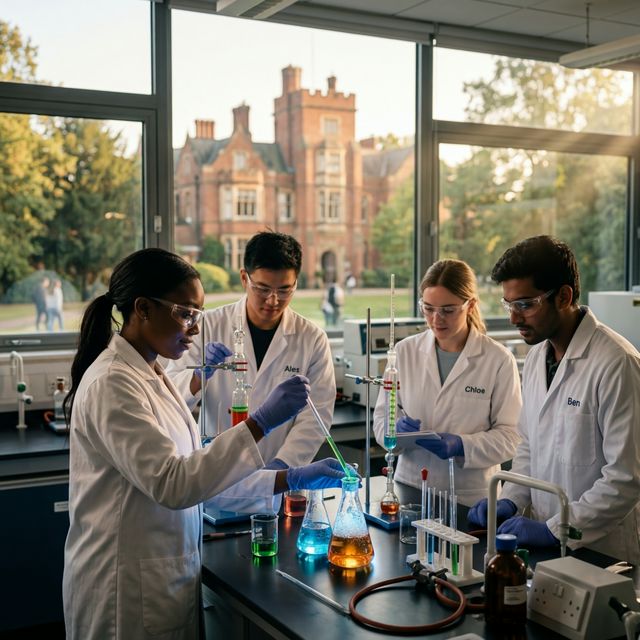
Environmental science is the study of how the natural world works and how human activity is changing it. It brings together ecology, chemistry, geology, geography and the social sciences to address questions about climate change, pollution, biodiversity loss, water management, land use and the challenge of building sustainable societies within planetary limits. It is a discipline whose importance is growing as the scale and urgency of environmental challenges become clearer, and the demand for graduates with a scientific understanding of these issues alongside the practical and policy knowledge to address them is reflected in consistently strong employment outcomes. At the University of York this three-year programme develops your scientific understanding of environmental systems alongside the social, political and economic dimensions of environmental management. You will study terrestrial and aquatic ecology, climate science, pollution, soil and water science, alongside environmental policy, economics and the governance frameworks through which societies respond to environmental challenges. Laboratory and fieldwork are central to the programme, developing your practical research skills and your ability to collect, analyse and interpret environmental data. A sandwich year, work placements and a year abroad are all built into the programme, providing multiple opportunities for professional experience and international perspective. York's location near the North York Moors and the Yorkshire Dales provides direct access to real field environments. Graduates work across the environmental sector in roles including environmental consultancy, conservation, pollution assessment, environmental regulation, climate policy, water management, sustainability management in the private sector and research. Government environmental agencies, local authorities, environmental charities and consultancies all recruit environmental science graduates. Some move into academic research or teaching. The combination of technical scientific training, fieldwork experience and policy understanding makes graduates particularly attractive to employers who need staff who can bridge scientific evidence and practical decision-making.
Syllabus & Modules
Typical curriculumStudent Satisfaction
National Student Survey - 15 respondents (81% response rate)
Similarly Ranked Alternatives



What comes next? 🎓
Choosing the right university starts with choosing the right school. Explore transparent, data-driven school profiles powered by official DfE statistics.
Explore Schools on WhatSchool.ai →