High Drop-out Rate Alert
30% of students drop out or transfer from this specific course. Consider asking why on an open day.
BSc Environmental Science
About this course
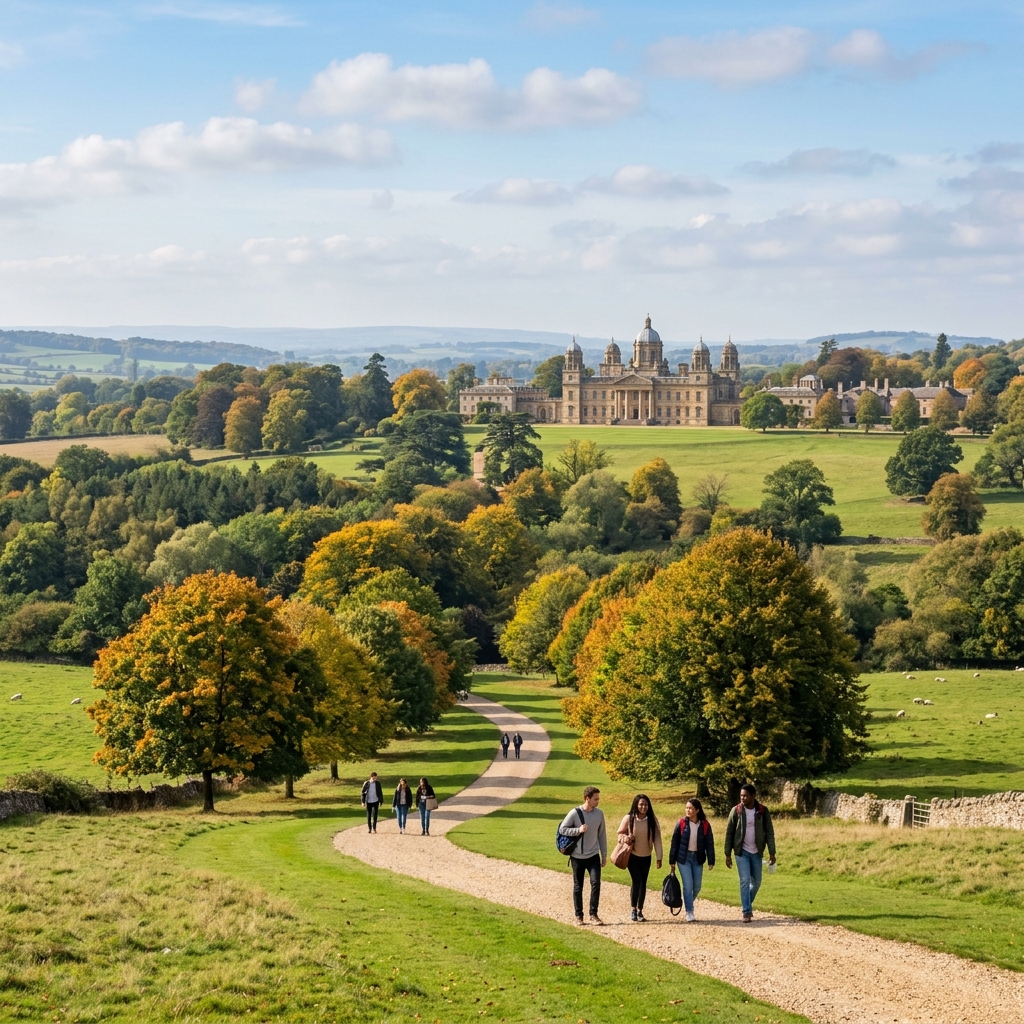
Environmental science is the interdisciplinary study of the natural environment and the human activities that shape and threaten it. Drawing on biology, chemistry, geology, ecology, and the social sciences, it asks how ecosystems function, how pollutants move through air, water, and soil, how climate change is altering the systems life depends on, and what actions can address the environmental challenges of our era. It is both a fundamental science and a profoundly applied discipline, because the environmental problems facing the planet require scientists who can think across disciplinary boundaries and engage with policy, ethics, and social systems as well as the natural world. At the University of Keele, this three-year, full-time programme deepens your scientific knowledge of environmental systems while also developing your awareness of the social, economic, and ethical dimensions of environmental challenges. You will study ecology, earth science, pollution science, climate science, and environmental assessment alongside fieldwork and laboratory work that develops practical technical skills. The programme includes a sandwich placement year for extended professional experience, a year abroad, and work placement integrated throughout the course, giving you substantial practical exposure and an international dimension that enrich both your scientific development and your employability. Keele's campus, one of the largest in the UK, encompasses a diverse natural environment that serves as a living laboratory for your studies. A typical entry tariff of 104 points reflects an accessible admissions threshold. Graduates from environmental science programmes go on to careers in environmental consultancy, government environmental agencies, conservation organisations, sustainability roles in the corporate sector, environmental impact assessment, waste and water management, ecological survey work, and research. The combination of scientific rigour and practical fieldwork experience that this programme provides is particularly valued by employers in the professional environment sector. Many graduates continue to postgraduate study in environmental management, ecology, conservation biology, or related fields.
Syllabus & Modules
Typical curriculumStudent Satisfaction
National Student Survey - 20 respondents (100% response rate)
Similarly Ranked Alternatives



What comes next? 🎓
Choosing the right university starts with choosing the right school. Explore transparent, data-driven school profiles powered by official DfE statistics.
Explore Schools on WhatSchool.ai →