BSc Environmental Science: Environmental Change
About this course
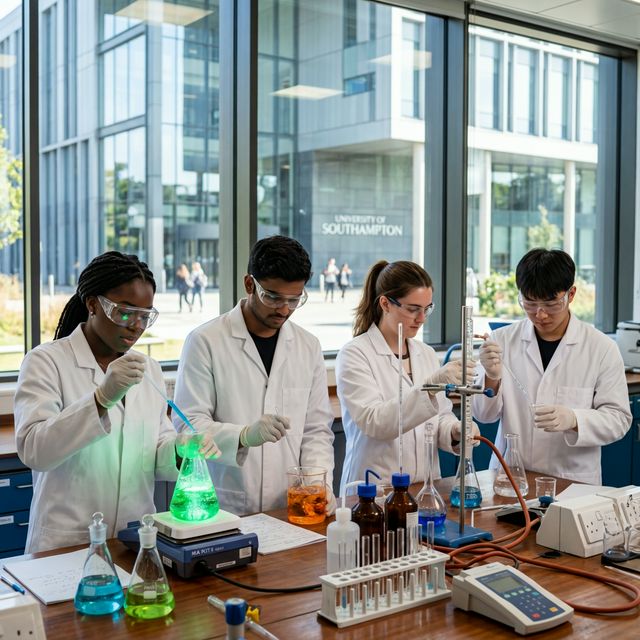
Environmental science with a focus on environmental change addresses one of the most urgent and consequential fields of inquiry in contemporary science and society. Climate change, biodiversity loss, pollution, land use transformation, and the depletion of natural resources are challenging human and ecological systems simultaneously, and understanding the scientific basis of these challenges is essential to designing effective responses. At the University of Southampton, the BSc Environmental Science: Environmental Change is a three-year full-time programme that combines rigorous scientific theory with practical and project work, exploring sustainable solutions to the environmental problems of today and the future. The degree draws on the physical, chemical, and biological sciences that underlie our understanding of how the earth's systems function and how human activity is altering them. You will study climate science and the evidence for climate change, the ecology of natural systems and how they respond to environmental pressures, the chemistry of pollution in air, water, and soil, the dynamics of the carbon cycle, and the tools used to model and project future environmental change. Field work, laboratory analysis, GIS, and data science methods are developed as practical skills alongside the conceptual frameworks that environmental science uses to organise and interpret what is observed. Project work gives you experience of applying these skills to real environmental questions in a self-directed research context. Environmental science graduates work in environmental consultancy, conservation, environmental regulation and monitoring, government environmental agencies, research institutions, international development organisations, and the private sector in sustainability-related roles. Specific career paths include environmental consultant, ecologist, environmental impact assessor, conservation officer, climate change analyst, sustainability manager, and researcher. Southampton's strong research environment in environmental science provides a connection to the current frontier of the discipline. Many graduates go on to postgraduate study in environmental science, ecology, climate change, or related disciplines, while others move directly into professional environmental roles. The combination of scientific rigour, practical skill, and focus on real environmental challenges that the programme provides is well matched to the demands of a sector where technical knowledge and problem-solving are equally important.
Syllabus & Modules
Typical curriculumStudent Satisfaction
National Student Survey - 30 respondents (73% response rate)
Similarly Ranked Alternatives
What comes next? 🎓
Choosing the right university starts with choosing the right school. Explore transparent, data-driven school profiles powered by official DfE statistics.
Explore Schools on WhatSchool.ai →