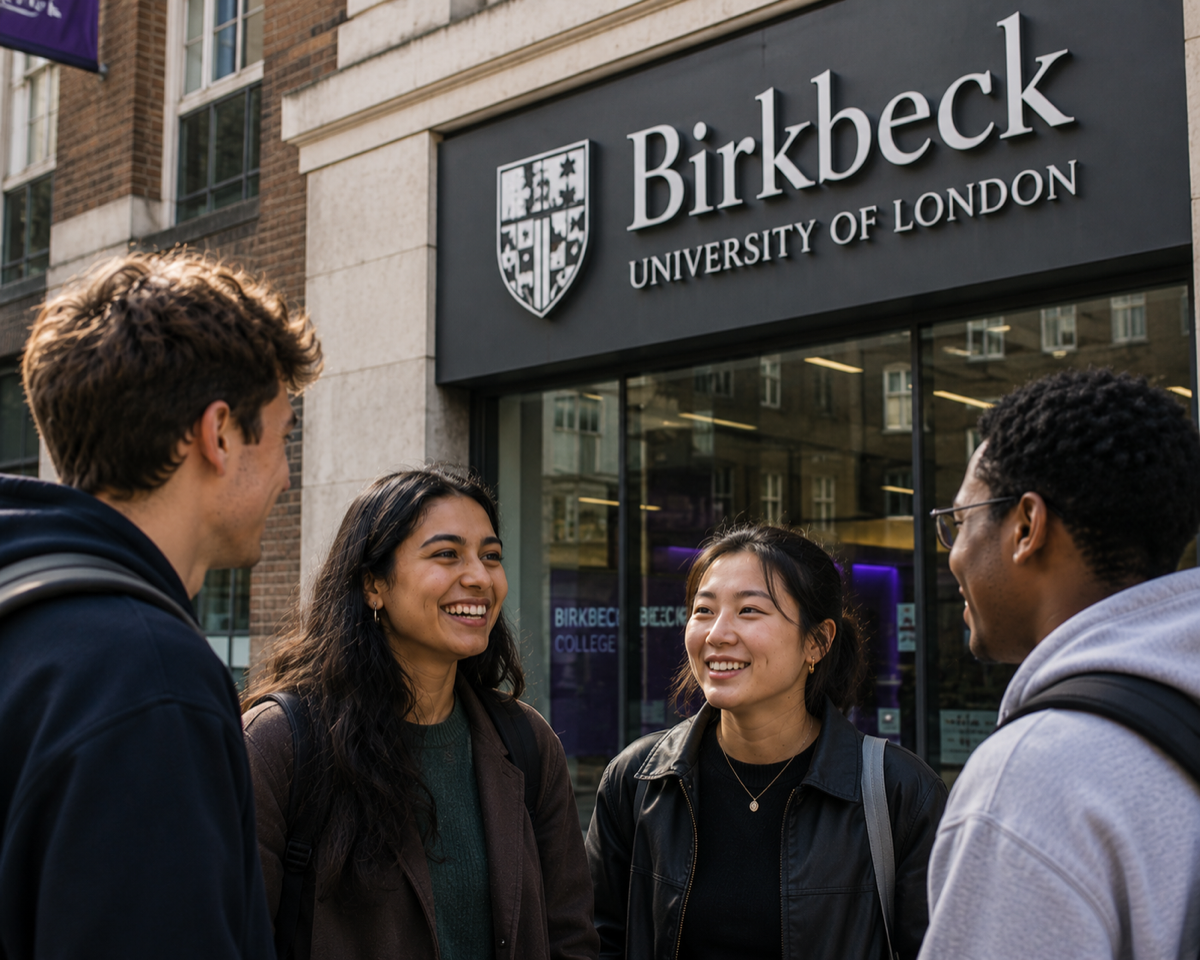
BSc Environmental Science
About this course
Environmental science brings together the natural sciences, social sciences, and humanities to understand the systems that sustain life on Earth and the ways in which human activity is altering them. It is inherently interdisciplinary, drawing on biology, chemistry, geography, geology, economics, and policy analysis to address questions about climate change, biodiversity loss, pollution, and the possibilities for more sustainable ways of organising human societies. Few subjects are more urgent, and few prepare students for a broader range of professional and civic roles in the twenty-first century. At Birkbeck this three-year full-time programme equips you with both a foundational scientific understanding of the human-driven causes of climate change and its environmental impacts, and with the communication skills, creative capacities, and cultural awareness needed to engage effectively with these challenges beyond the laboratory. You will develop the ability to interpret and analyse environmental data, to understand the scientific evidence base for climate policy, and to communicate complex ideas to diverse audiences. The programme explicitly develops the emotional and cultural sensitivities that effective climate advocacy requires, recognising that persuading people and institutions to change requires more than scientific accuracy. You will also build a professional network during your studies, connecting with practitioners and organisations working in the environmental sector in and around London. Graduates in environmental science find careers across a fast-growing range of sectors. Environmental consultancy, sustainability management in businesses and public bodies, science communication, journalism, policy analysis, and roles in non-governmental organisations and campaign groups working on climate and conservation are all accessible from this foundation. The combination of scientific understanding and communication skill is particularly valued by employers who need people to bridge technical evidence and public or policy audiences. Many graduates continue to postgraduate study in environmental science, sustainability, climate policy, or related fields.
Syllabus & Modules
Typical curriculumStudent Satisfaction
National Student Survey - 15 respondents (71% response rate)
Similarly Ranked Alternatives



What comes next? 🎓
Choosing the right university starts with choosing the right school. Explore transparent, data-driven school profiles powered by official DfE statistics.
Explore Schools on WhatSchool.ai →