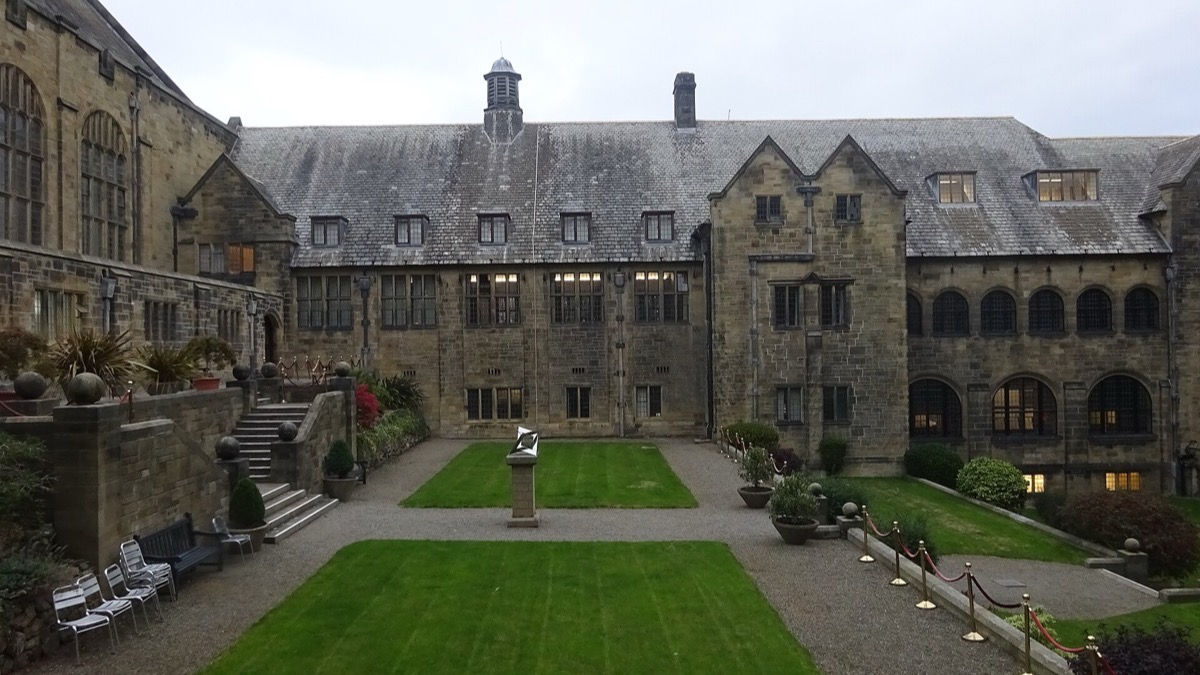
BSc Environmental Conservation
About this course
Environmental conservation is the scientific and practical discipline concerned with protecting, managing and restoring the natural world in the face of human pressure. It draws on ecology, biology, geography, environmental science and policy to understand how ecosystems function, how they are threatened by habitat loss, climate change, invasive species and pollution, and what can be done to preserve biodiversity and the ecological processes on which all life depends. As environmental challenges intensify globally, the demand for graduates with genuine conservation expertise has never been greater. At Bangor University, located in North Wales with direct access to some of Britain's most significant natural landscapes, this three-year full-time degree gives you both theoretical grounding and practical field experience in conservation science and practice. You will study ecology, conservation biology, environmental management, wildlife assessment, species identification and the social and policy dimensions of conservation. Bangor's location makes it exceptionally well placed for fieldwork, and practical skills in ecological surveying, data collection and habitat assessment are developed throughout the programme. The degree includes a foundation year, giving you a supported route into the science content, as well as a sandwich year with work placement opportunities and a year abroad, enabling you to engage with conservation contexts beyond the UK and to develop the international awareness that the field increasingly demands. Graduates go on to careers in environmental consultancy, conservation charities, national parks and natural heritage bodies, government environmental agencies, ecological surveying, wildlife management and international conservation organisations. Many graduates also work in environmental education, community conservation projects and research. The combination of scientific rigour and practical field experience is particularly valued by employers in the conservation sector, and further study at masters level in conservation biology, ecology, environmental management or related disciplines is a natural route for those who wish to develop specialist expertise or pursue research careers.
Syllabus & Modules
Typical curriculumStudent Satisfaction
National Student Survey - 20 respondents (82% response rate)
Similarly Ranked Alternatives



What comes next? 🎓
Choosing the right university starts with choosing the right school. Explore transparent, data-driven school profiles powered by official DfE statistics.
Explore Schools on WhatSchool.ai →