High Drop-out Rate Alert
30% of students drop out or transfer from this specific course. Consider asking why on an open day.
BA Environment, Culture and Communication with Foundation Year
About this course
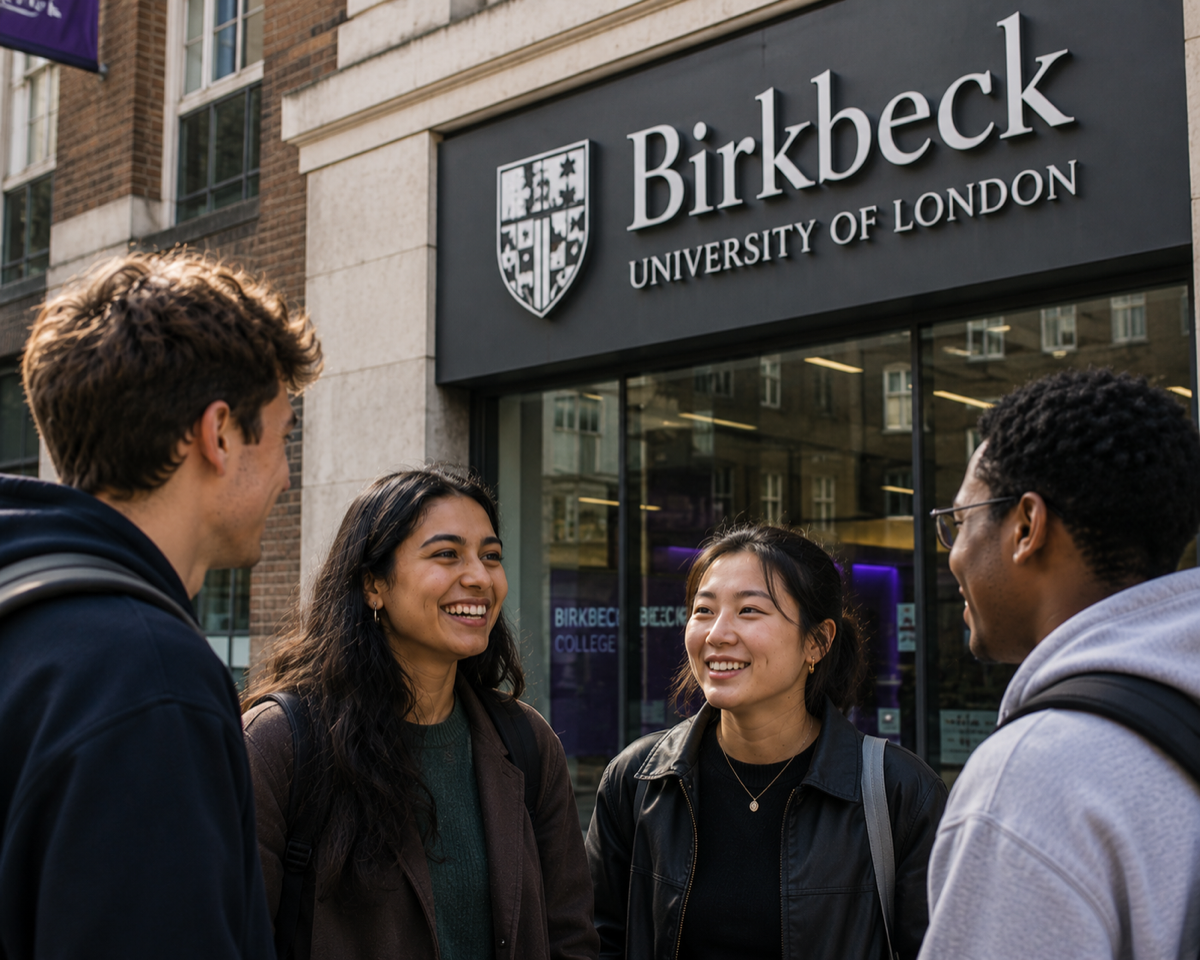
The relationship between the natural environment, human culture, and the way we communicate about both is one of the central preoccupations of our time. Environmental questions are never purely scientific: they are also questions about values, narratives, power, and the stories societies tell themselves about their relationship with the natural world. Studying this intersection through a combined lens of environmental science and communications gives you both the analytical tools to understand environmental systems and the critical awareness to examine how environmental issues are framed, debated, and acted upon. At Birkbeck College, this four-year full-time programme includes a foundation year, providing a structured introduction to the disciplines you will study before progressing to the degree itself. The foundation year supports students coming to the programme from a range of educational backgrounds, building the academic skills and subject knowledge that the subsequent years require. You will explore changing natural and anthropogenic Earth systems, examining topics such as climate dynamics, land use, biodiversity, and pollution alongside questions of media representation, environmental communication, and cultural attitudes to the natural world. You will be taught by internationally recognised researchers whose work spans the environmental and social sciences, ensuring that your learning is connected to live scholarly debates and current knowledge. Graduates from programmes at this intersection of environment, culture, and communication are well placed for careers in environmental journalism, science communication, public engagement, policy, and advocacy. Roles exist in environmental NGOs, government agencies, media organisations, local authorities, and international bodies concerned with sustainability and climate. The combination of scientific literacy and communication skills is increasingly sought after as organisations across all sectors grapple with environmental reporting, stakeholder engagement, and behaviour change. Further study at postgraduate level is available in environmental science, environmental humanities, science communication, and related fields.
Syllabus & Modules
Typical curriculumStudent Satisfaction
National Student Survey - 20 respondents (67% response rate)
Similarly Ranked Alternatives



What comes next? 🎓
Choosing the right university starts with choosing the right school. Explore transparent, data-driven school profiles powered by official DfE statistics.
Explore Schools on WhatSchool.ai →