MA English Literature/History of Art
About this course
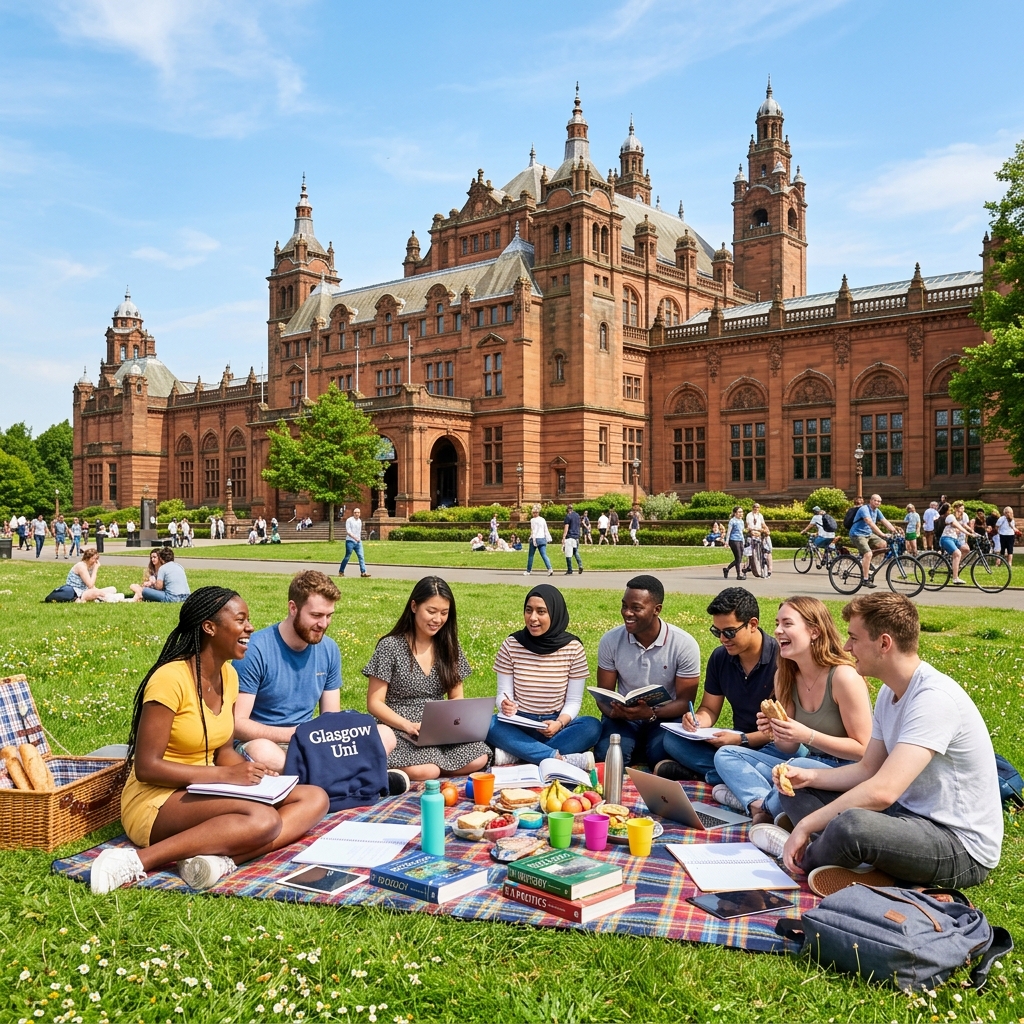
English literature and history of art is a combination that explores two of the most important ways in which human beings have represented experience and meaning: through language and through visual form. English literature develops your ability to read texts closely, to interpret language and narrative, to situate literary works in their historical and cultural contexts, and to engage with the critical traditions that have shaped how we understand literature. History of art develops your visual literacy, your understanding of how artworks are made and what they mean, and your knowledge of the histories of art, architecture, and visual culture from antiquity to the present. At the University of Glasgow, this four-year full-time programme includes a year abroad, enriching your engagement with both disciplines by exposing you to different artistic traditions, literary cultures, and scholarly approaches. You will explore all aspects of literature in English from early modern to postmodern, engaging with American, Irish, postcolonial, and other traditions alongside British writing, and with critical theory, creative writing, and the relationships between literature and other arts. In history of art, you will develop visual analysis skills alongside knowledge of the major movements, periods, and themes that define the history of artistic production in the West and beyond. The combination develops your ability to move between different modes of cultural analysis and to understand the relationships between verbal and visual representation. Graduates from English literature and history of art programmes go on to careers in museums and galleries, publishing, education, journalism, the cultural sector, arts administration, and heritage. The combination of textual and visual literacy is particularly valued in roles that involve working with cultural objects and their contexts. Many graduates continue to postgraduate study in literature, art history, museum studies, or cultural policy, and some pursue academic or curatorial careers in universities, national museums, and arts organisations.
Syllabus & Modules
Typical curriculumStudent Satisfaction
National Student Survey - 10 respondents (67% response rate)
Similarly Ranked Alternatives


What comes next? 🎓
Choosing the right university starts with choosing the right school. Explore transparent, data-driven school profiles powered by official DfE statistics.
Explore Schools on WhatSchool.ai →