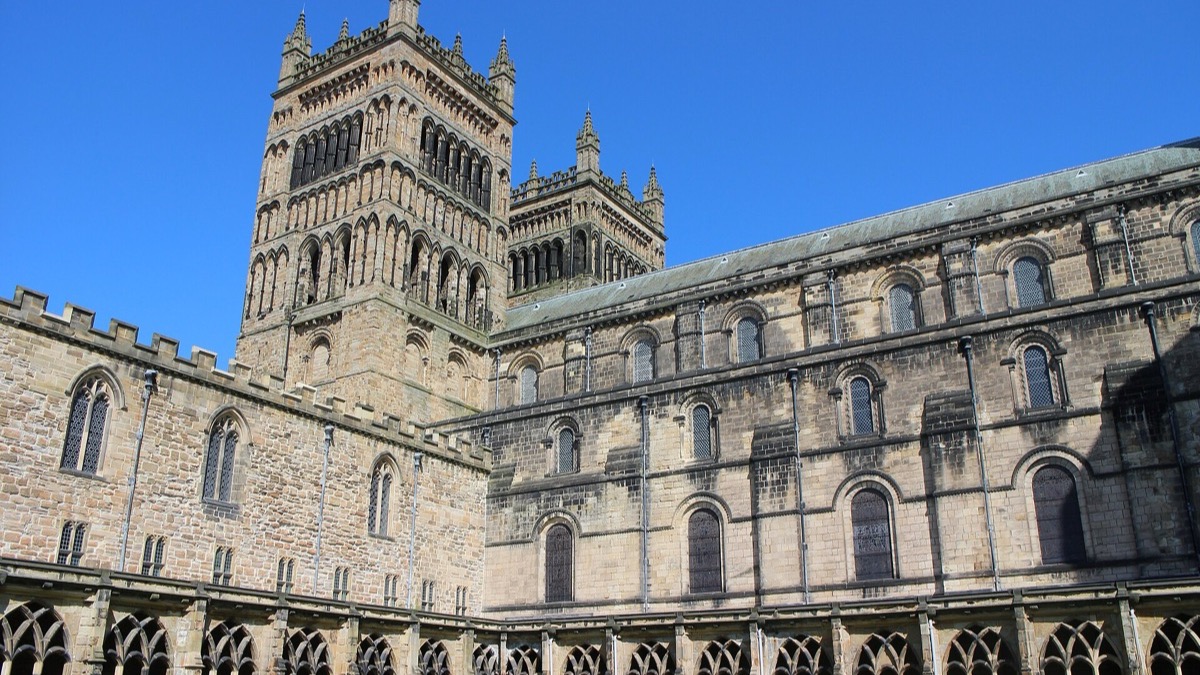
BA English Literature and Philosophy
About this course
English literature and philosophy is a pairing that has a long and productive history, because the questions each discipline asks overlap and enrich each other in deep ways. Philosophy asks about the nature of knowledge, reality, value, and the good life, using rigorous argument to examine claims that are otherwise taken for granted. Literature explores these same questions through narrative, character, and language, giving them emotional and imaginative force that pure argument sometimes cannot achieve. Studied together, the two disciplines develop a remarkable capacity for careful thought and precise communication about the things that matter most. At the University of Durham, this three-year full-time programme is among the most intellectually distinguished available, taught within a university with strong traditions in both English and philosophy. It includes a sandwich year, a year abroad, and work placement opportunities, giving you a combination of academic depth and professional and international experience that is unusual for a humanities degree. You will read widely in both literary and philosophical traditions, developing the ability to engage seriously with difficult texts, to construct well-argued essays, and to hold aesthetic and conceptual questions in productive dialogue with each other. The placement and year abroad components mean you also develop professional confidence and cross-cultural awareness alongside the intellectual formation the degree provides. A typical entry tariff of 200 points reflects the highly competitive nature of the programme. Graduates of English literature and philosophy programmes are particularly valued for their ability to think clearly, write persuasively, and engage with complexity in ways that are both rigorous and imaginative. Careers span journalism, publishing, the law, the civil service, education, arts administration, management consultancy, and many other fields. The combination is also excellent preparation for postgraduate study in philosophy, literature, law, or a professional qualification such as journalism or teaching.
Syllabus & Modules
Typical curriculumStudent Satisfaction
National Student Survey - 120 respondents (63% response rate)
Similarly Ranked Alternatives



What comes next? 🎓
Choosing the right university starts with choosing the right school. Explore transparent, data-driven school profiles powered by official DfE statistics.
Explore Schools on WhatSchool.ai →