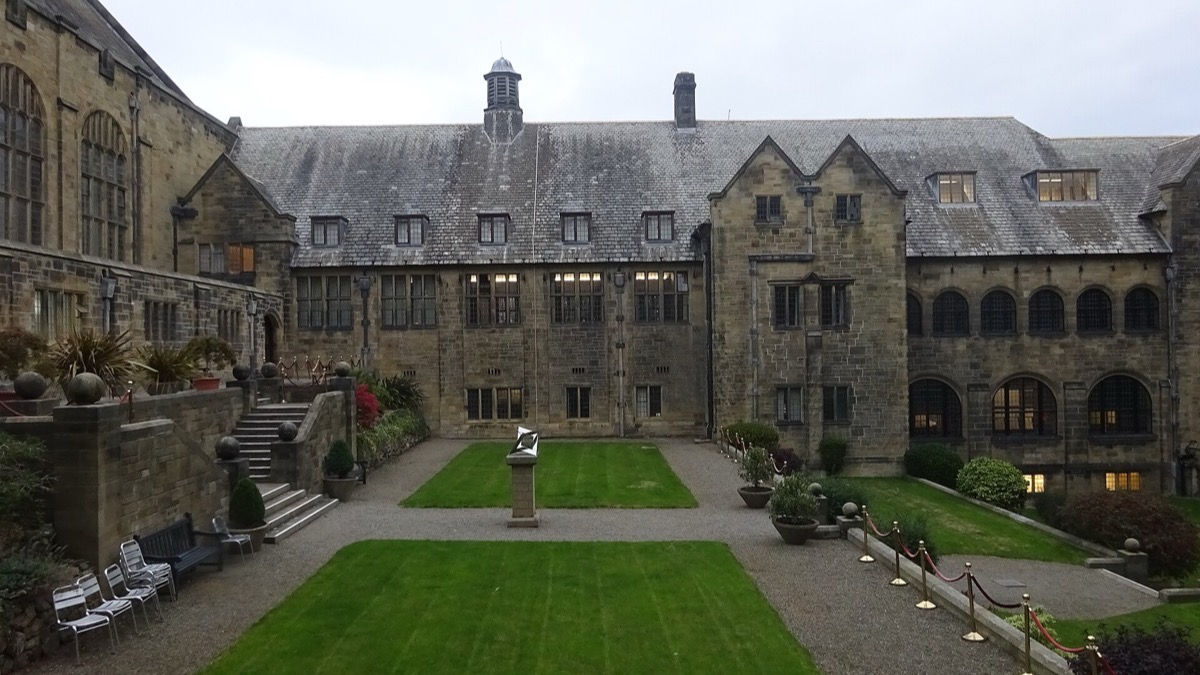
BA English Literature and Drama
About this course
English literature and drama have long been natural companions in academic study, both concerned with language, storytelling, human motivation and the power of representation, but pursuing them together reveals how differently each discipline approaches shared territory. Literature is encountered primarily on the page, requiring the close reader to animate characters and worlds from words alone; drama is realised in performance, shaped by bodies in space, by timing, by the physical and acoustic qualities of a theatre. Studying both gives you a double perspective on how stories work and why they matter. At Bangor University this three-year full-time programme includes a foundation year, a sandwich year, a year abroad and embedded work placement opportunities, a combination of structural features that is particularly rich for the humanities and reflects a genuine commitment to connecting study with professional and international experience. Over the course of the programme you will read widely across the literary tradition, from medieval texts through to contemporary fiction and poetry, developing your critical vocabulary and your ability to construct sustained, well-evidenced arguments. Your drama studies will develop performance skills and analytical understanding of theatre history, dramatic theory and the practicalities of making performance. The combination develops an unusual range of capacities: the precision and patience of the literary scholar, the collaborative and expressive skills of the drama practitioner, and the ability to move between analytical and creative modes of working. These are qualities that transfer readily into professional life. Graduates pursue careers in theatre and performance, writing, publishing, journalism, education, broadcasting, cultural policy and arts administration. Teaching is a common destination, typically following a PGCE. Others move into community arts, therapy, heritage, museums and the civil service. Some go on to postgraduate study in English, creative writing, drama or related fields. The breadth of the programme means graduates carry a wide set of skills into a variety of contexts.
Syllabus & Modules
Typical curriculumStudent Satisfaction
National Student Survey - 20 respondents (72% response rate)
Similarly Ranked Alternatives

What comes next? 🎓
Choosing the right university starts with choosing the right school. Explore transparent, data-driven school profiles powered by official DfE statistics.
Explore Schools on WhatSchool.ai →