
MEng Engineering and Architectural Design
About this course
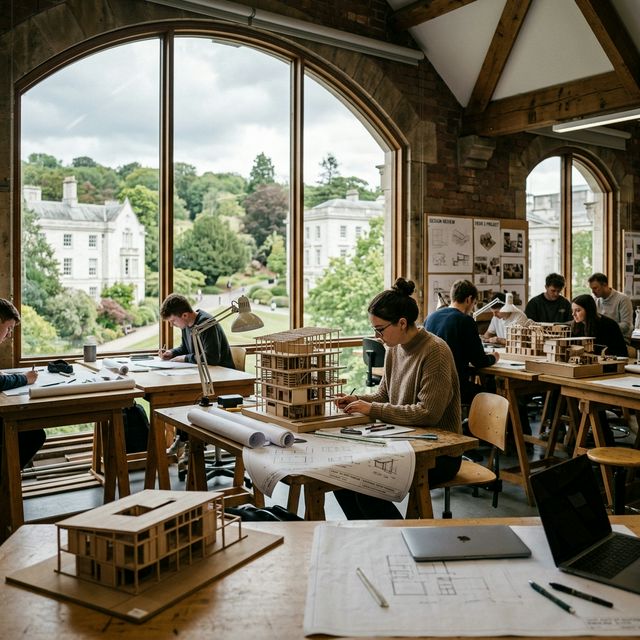
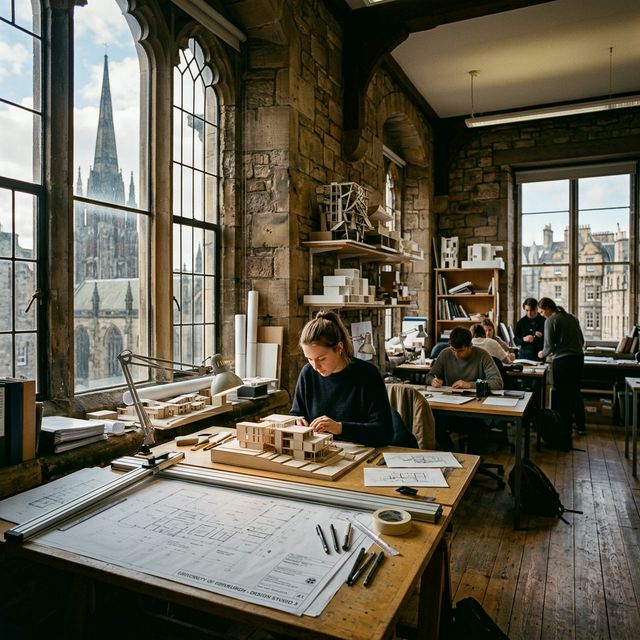
Engineering and architectural design occupies a productive and demanding space between two disciplines that have always depended on each other. Architecture gives form and meaning to buildings; engineering ensures those buildings stand up, perform efficiently, and can actually be built. Where most degrees train students in one or the other, this programme at University College London brings the two together, cultivating graduates who can think across the boundary and contribute to design at the level where technical possibility and spatial ambition meet. Over four years, you will develop both the visual and spatial intelligence of an architect and the analytical rigour of a structural or environmental engineer. You will engage with the history and theory of architecture alongside structural mechanics, materials science, and building physics. Studio-based design work sits alongside quantitative problem-solving, and you will learn to move fluidly between drawing, modelling, and calculation. The degree explores how structural systems, environmental performance, and manufacturing processes shape what buildings look like and how they work, and it equips you to participate meaningfully in conversations that often remain siloed in professional practice. UCL's position in London gives you access to one of the world's great concentrations of architectural practice, cultural institutions, and built environment innovation. Graduates of this kind of combined degree are well placed to work at the intersection of design and technical practice. Some pursue careers in architecture, often continuing to postgraduate study to complete their professional qualifications. Others move into structural or environmental engineering consultancies, where a design sensibility is a genuine advantage. Roles in construction project management, urban design, and sustainability consultancy draw others. Research and academia offer further paths, particularly for those interested in building technologies, structural innovation, or the history and theory of the built environment.
Syllabus & Modules
Typical curriculumStudent Satisfaction
National Student Survey - 30 respondents (72% response rate)
Similarly Ranked Alternatives

What comes next? 🎓
Choosing the right university starts with choosing the right school. Explore transparent, data-driven school profiles powered by official DfE statistics.
Explore Schools on WhatSchool.ai →