High Drop-out Rate Alert
30% of students drop out or transfer from this specific course. Consider asking why on an open day.
BEng Electrical and Mechanical Engineering
About this course
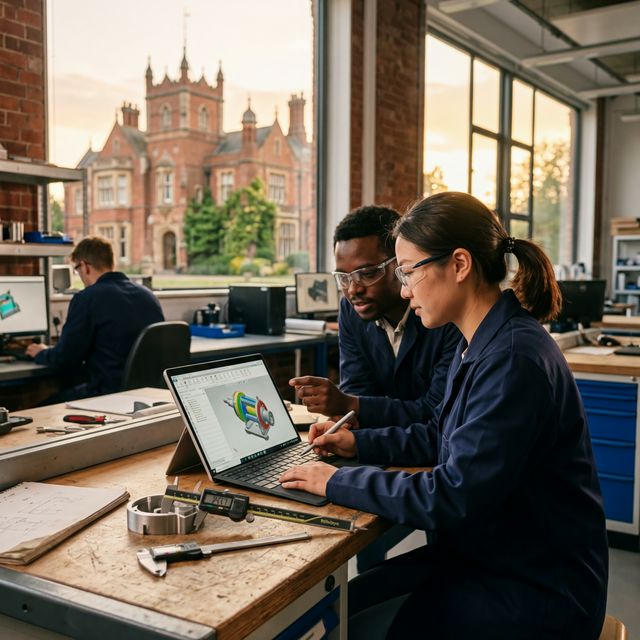
Electrical and mechanical engineering together form the backbone of most physical systems that power, control, and move the modern world. Electrical engineering deals with the generation, transmission, and application of electrical power, and with the electronic systems that process information, control machines, and enable communication. Mechanical engineering applies the principles of physics and materials science to the design, analysis, and manufacture of machines, structures, and thermal systems. The two disciplines overlap extensively in practice, and combined graduates are particularly well suited to the complex engineered systems, from renewable energy plants to autonomous vehicles, that characterise the contemporary technical landscape. At the University of the Highlands and Islands, this four-year, full-time programme provides a solid grounding in the principles and practices of both disciplines. You will study electrical circuits, electronics, thermodynamics, fluid mechanics, structural analysis, and control systems, developing the quantitative problem-solving skills that engineering employers require. The programme is designed to be applied in orientation, preparing you for professional practice in industries that depend on integrated electrical and mechanical knowledge. The University of the Highlands and Islands serves a distinctive geographic region, and the programme reflects the practical engineering needs of industries such as energy, offshore, and marine that are prominent in the Scottish Highlands and Islands economy. Graduates of electrical and mechanical engineering programmes work in energy generation and distribution, manufacturing, aerospace, automotive, defence, marine engineering, and infrastructure maintenance. The breadth of the combined qualification means you are not confined to a narrow technical niche, and many graduates move fluidly between electrical and mechanical roles across their careers. Roles in design, installation, maintenance, technical management, and project engineering are all accessible with this background. Postgraduate study in a specialised engineering field, or professional development towards chartered engineer status, are natural next steps for those who wish to progress further.
Syllabus & Modules
Typical curriculumStudent Satisfaction
National Student Survey - 15 respondents (50% response rate)
Similarly Ranked Alternatives

What comes next? 🎓
Choosing the right university starts with choosing the right school. Explore transparent, data-driven school profiles powered by official DfE statistics.
Explore Schools on WhatSchool.ai →