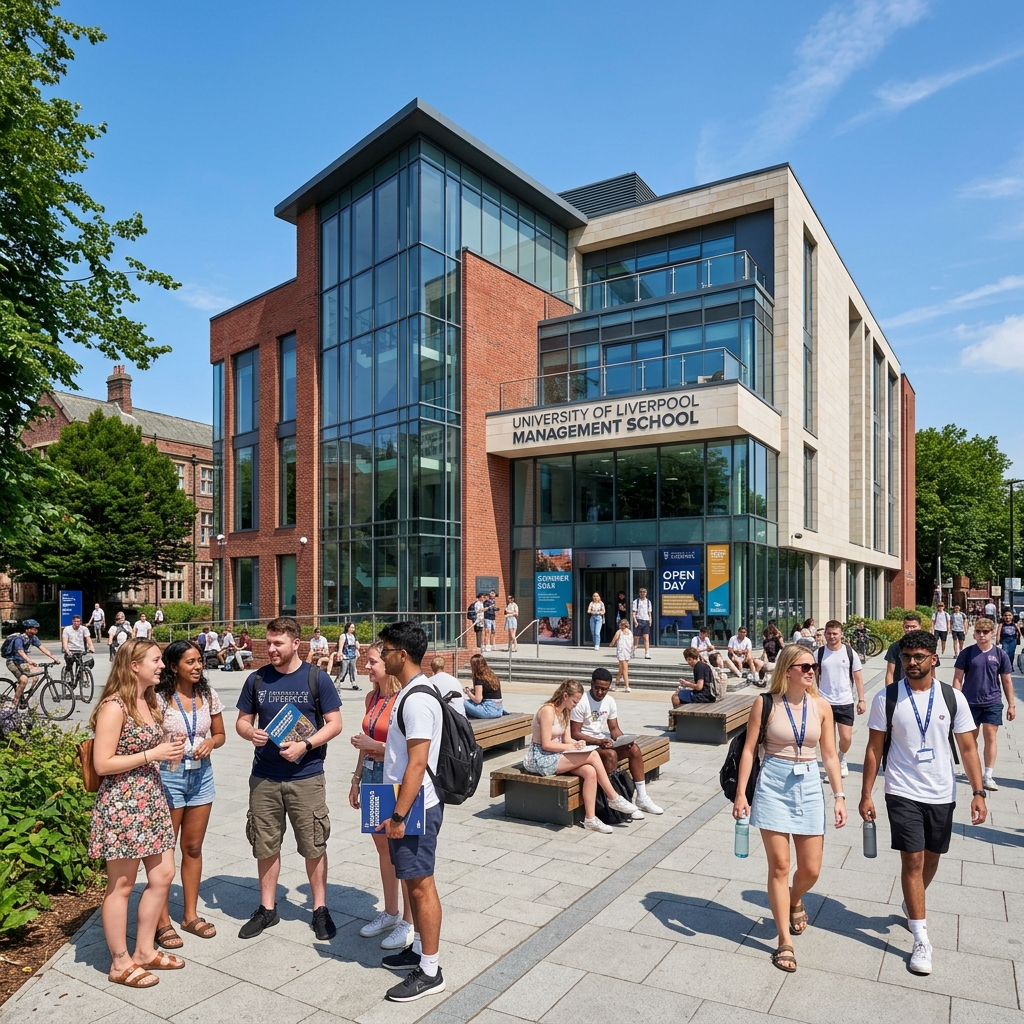
BA Economics (With Foundation Year)
About this course
Economics is the study of how individuals, organisations, and societies make choices about the allocation of scarce resources. It is a discipline that ranges from the behaviour of individual consumers and firms to the dynamics of national economies and the global financial system, drawing on both theoretical reasoning and empirical evidence to understand why outcomes unfold as they do and how policy might alter them. At its best, economics develops a particular way of thinking about the world, including habits of careful analysis, attention to incentives, and awareness of the often-hidden consequences of decisions, that is useful far beyond the subject itself. At Liverpool Hope this four-year full-time programme begins with a foundation year, which offers a supported entry route for students who have the ability and enthusiasm to pursue a degree but do not yet have the entry qualifications for the main programme. The foundation year develops core academic skills including writing at degree level, independent learning, critical thinking, and time management, preparing you thoroughly for the rigour of undergraduate economics that follows. The full programme includes a sandwich year, a year abroad, and a work placement, giving you a combination of professional and international experience that strengthens both your CV and your understanding of economics as it operates in real global contexts. You will study micro and macroeconomic theory, quantitative methods, and applied areas of economics across the programme. Economics graduates are consistently among the most employable in the UK. Careers in finance, banking, economic consultancy, public policy, the civil service, international organisations, data analysis, and business management are all accessible with this degree. The combination of analytical rigour, quantitative skills, and international experience the programme provides is valued particularly in competitive graduate schemes. Many graduates also continue to postgraduate study in economics, finance, or related fields, or pursue professional qualifications in accountancy, finance, or investment management.
Syllabus & Modules
Typical curriculumStudent Satisfaction
National Student Survey - 10 respondents (80% response rate)
Similarly Ranked Alternatives


What comes next? 🎓
Choosing the right university starts with choosing the right school. Explore transparent, data-driven school profiles powered by official DfE statistics.
Explore Schools on WhatSchool.ai →