High Drop-out Rate Alert
20% of students drop out or transfer from this specific course. Consider asking why on an open day.
BSc Economics
About this course
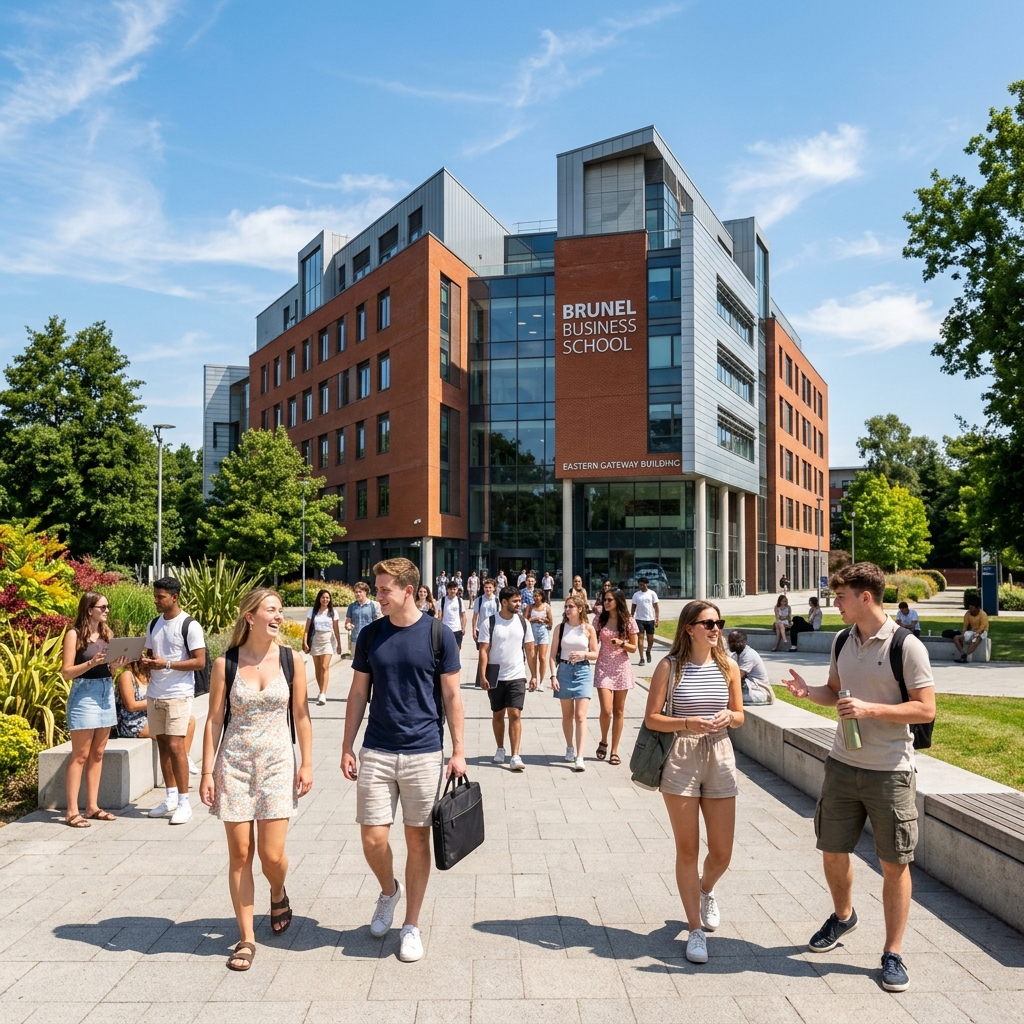
Economics is the social science that investigates how scarce resources are allocated, how markets function, and how the decisions of individuals, firms and governments interact to produce economic outcomes. It encompasses both the rigorous theoretical modelling that characterises modern academic economics and the practical analysis of real-world policy questions in areas from unemployment and inflation to environmental regulation and financial stability. An economics degree develops strong analytical and quantitative skills alongside the ability to engage seriously with complex social questions. At Brunel University London, the BSc Economics combines a thorough grounding in economic theory with the practical skills needed to apply that knowledge in business, industrial, financial or government environments. The programme includes a foundation year option for students who need additional preparation before beginning degree-level economic study, making the degree accessible to a wider range of students. You will study microeconomics and macroeconomics at a rigorous level, alongside econometrics, economic history and applied economics in areas including labour markets, public economics and the economics of developing countries. The curriculum develops your ability to work with data, build and interpret models, and communicate economic arguments clearly. Brunel's London location gives access to major employers in finance, government, international organisations and consultancy, all of which are significant employers of economics graduates. Graduates of economics degrees work in finance, the civil service, international organisations, consultancy, the technology sector, economic research, academia and business. The Government Economic Service recognises strong economics degrees as appropriate preparation for its analytical roles. Postgraduate study in economics, finance, data science or public policy is a common next step for those who want to develop specialist expertise.
Syllabus & Modules
Typical curriculumStudent Satisfaction
National Student Survey - 10 respondents (75% response rate)
Similarly Ranked Alternatives


What comes next? 🎓
Choosing the right university starts with choosing the right school. Explore transparent, data-driven school profiles powered by official DfE statistics.
Explore Schools on WhatSchool.ai →