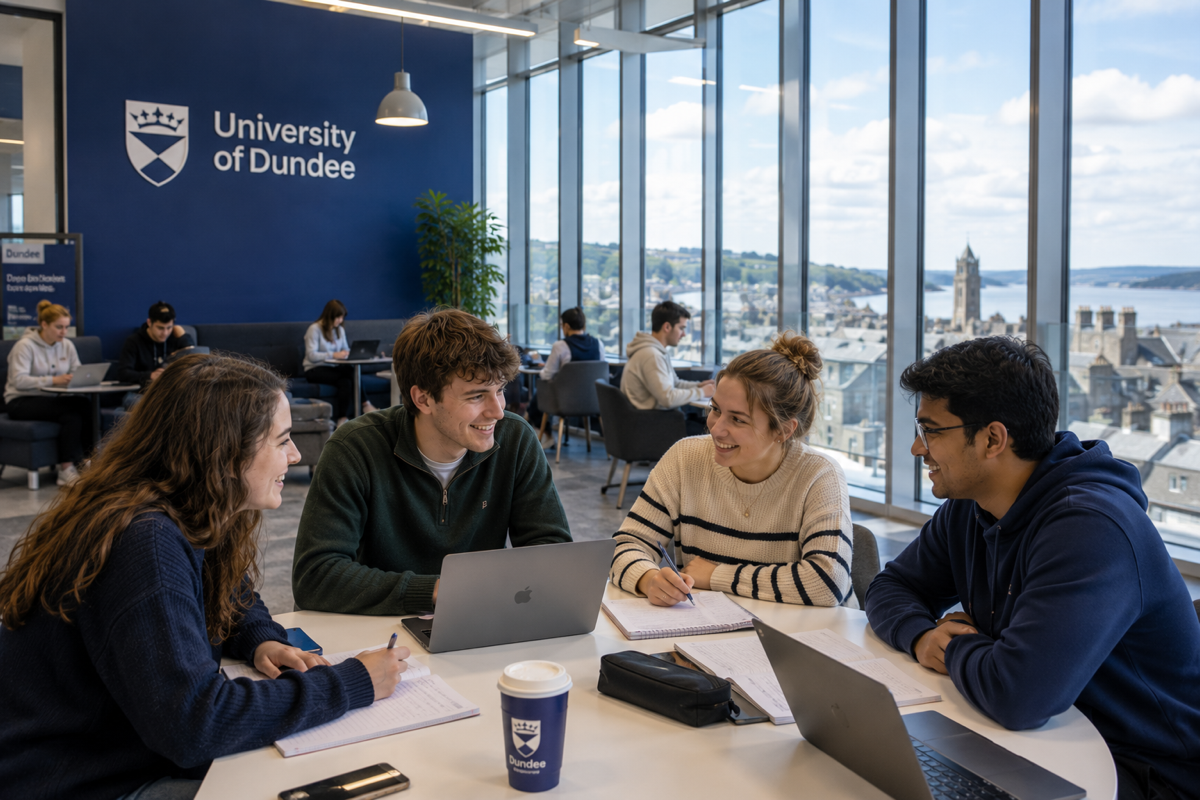
MA Economics and International Relations
About this course
Economics and international relations is a particularly coherent combination because the relationship between economic forces and international political dynamics is one of the defining features of the modern world. International relations examines the structure of the global order, the behaviour of states, international organisations and non-state actors, and the theories that help explain conflict, cooperation, diplomacy and global governance. Economics provides the analytical tools to understand how resources are allocated, how markets function across national borders, and how trade, investment, aid and financial flows shape the relationships between countries. Together they give you a genuinely sophisticated set of frameworks for understanding global affairs. At the University of Dundee, this four-year full-time programme follows the typical Scottish honours structure, and it includes a year abroad, giving you the opportunity to study economics and international relations in another academic setting and to develop an international perspective through direct experience. The typical entry tariff for this programme is around 168 UCAS points, and Dundee's setting in Scotland adds a dimension of Scottish and UK constitutional complexity to the political analysis. You will study microeconomics and macroeconomics alongside theories of international relations, covering realism, liberalism, constructivism and critical approaches to global politics. International political economy, the study of how economic and political power interact in the global system, is likely to be a central thread connecting both disciplines. You will also engage with topics including trade policy, development economics, conflict and security, international law and the politics of international organisations. Graduates of economics and international relations programmes are sought across the civil service, diplomatic service, international organisations, NGOs, development agencies, think tanks, financial institutions and international business. The combination of economic literacy and political understanding is particularly valued in roles that require analysis of country risk, international trade, sanctions, foreign policy and cross-border investment. Academic research in international political economy, development studies, international relations or economics is a natural next step for those who wish to pursue postgraduate study. Roles in journalism, policy research and consultancy covering international affairs also recruit strongly from this kind of combined background.
Syllabus & Modules
Typical curriculumStudent Satisfaction
National Student Survey - 35 respondents (91% response rate)
Similarly Ranked Alternatives

What comes next? 🎓
Choosing the right university starts with choosing the right school. Explore transparent, data-driven school profiles powered by official DfE statistics.
Explore Schools on WhatSchool.ai →