MA(SocSci) Economic & Social History/Sociology
About this course
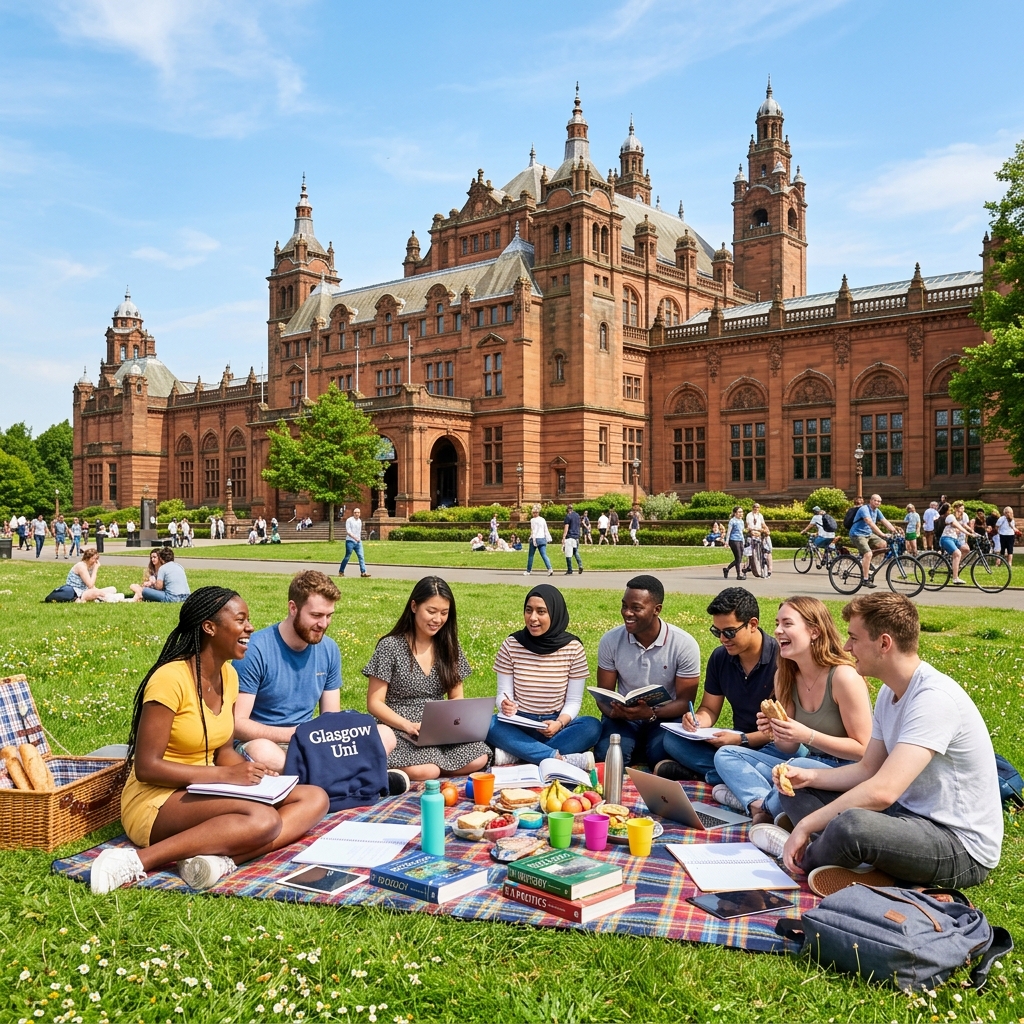
Economic and social history and sociology together examine the structures and experiences that have shaped human societies over time and that continue to shape them in the present. Economic and social history takes a long view, examining how industrialisation, urbanisation, migration, trade, and social reform have altered the conditions in which people live and work. Sociology focuses on how contemporary social structures, institutions, and collective practices generate patterns of inequality, identity, and social change. Together they develop a richly informed understanding of where modern societies have come from and how they work. At the University of Glasgow, this four-year full-time programme draws on the university's significant strengths in both disciplines. Economic and social history at Glasgow has a distinctive focus on how people in the past lived and worked, and how those conditions have affected the development of the world today. The sociology strand develops your engagement with the major theoretical traditions of the discipline, from Marx, Durkheim, and Weber through to contemporary theorists of globalisation, gender, race, and digital society, alongside the research methods that allow you to investigate social questions empirically. The programme includes a year abroad, which places you in a different academic environment and broadens your perspective on how these disciplines are practised internationally. Graduates from this combination go on to careers in social research, policy analysis, journalism, the civil service, education, heritage, community organisations, and the voluntary sector. The combination of historical depth and sociological analysis develops a way of thinking about society that is valued across many professional contexts. Further study at postgraduate level in sociology, economic history, social policy, or related fields is a natural route for those who wish to pursue specialist or research careers.
Syllabus & Modules
Typical curriculumStudent Satisfaction
National Student Survey - 60 respondents (65% response rate)
What comes next? 🎓
Choosing the right university starts with choosing the right school. Explore transparent, data-driven school profiles powered by official DfE statistics.
Explore Schools on WhatSchool.ai →