BA Digital Media, Culture and Society
About this course
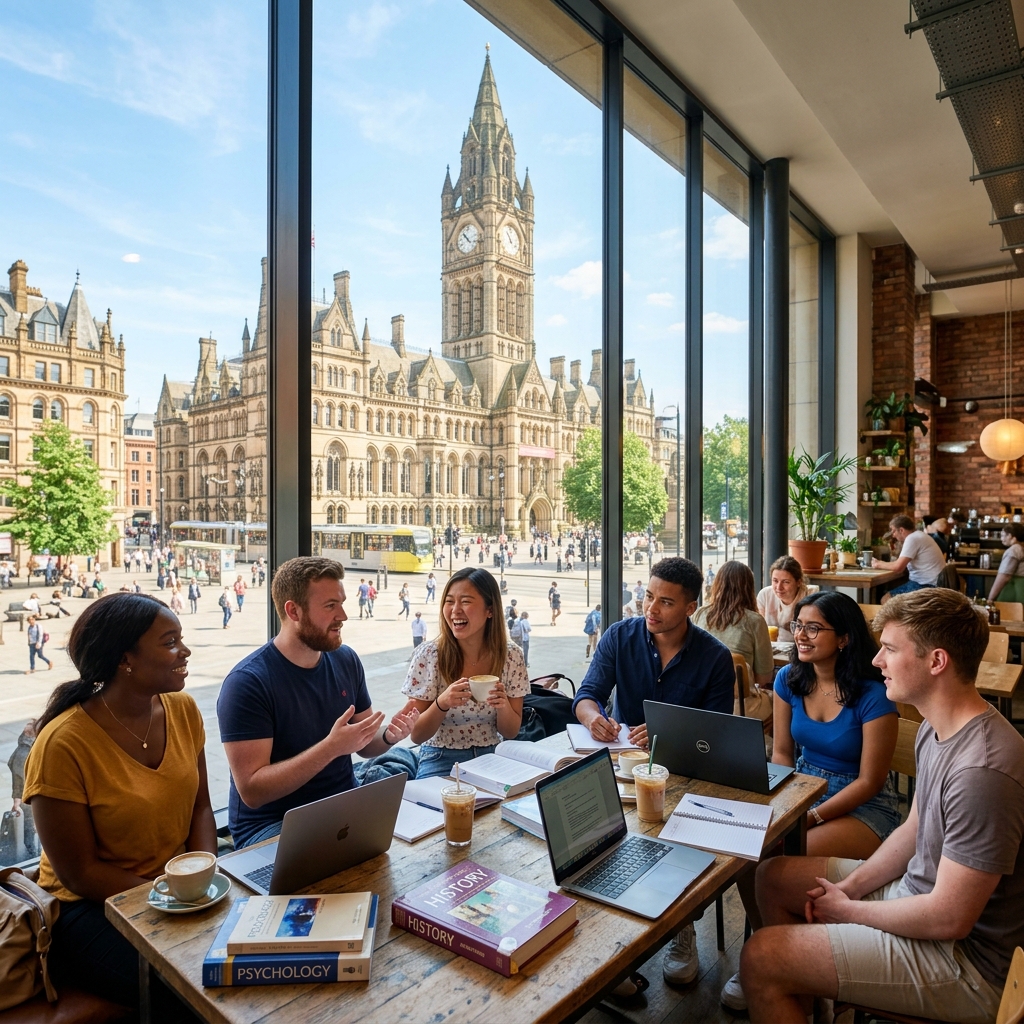
Digital media, culture and society is a discipline that asks critical questions about the technologies and platforms that increasingly mediate our social, political and cultural lives. How do social networks shape public opinion? What does it mean for culture when algorithms decide what we see? How do digital platforms concentrate economic and political power, and how do different communities use digital tools to resist, create and connect? These are not merely technical questions but social and cultural ones, requiring an interdisciplinary approach that draws on media studies, cultural theory, sociology, political economy and digital humanities. At the University of Manchester, you will study this three-year full-time programme with one of the UK's strongest research environments in this field as its backdrop. Manchester has been at the forefront of digital humanities and media studies research for decades, and the programme benefits from faculty engaged in the questions it addresses at the highest level. The typical entry tariff is around 152 UCAS points. You will explore the history and theory of digital media, the sociology of networked communication, questions of digital identity and representation, the political economy of platform capitalism, digital journalism, online communities, data culture and the ethics of algorithmic systems. The programme develops both critical analytical skills and practical media literacy, and you will have opportunities to engage with digital methods of research alongside more traditional humanities approaches. Manchester's position as a major media city, with significant broadcasting, creative industries and technology sectors, provides a rich professional context. Graduates of digital media, culture and society programmes work across media, communications, policy and technology sectors. Roles in digital journalism, content strategy, social media management, UX research, policy analysis and digital communications are common destinations. The critical dimension of the degree is valued in roles where understanding the social implications of digital technologies matters, including in civil society organisations, regulators, government digital services and think tanks. Postgraduate study in media studies, digital humanities, communications, cultural policy or data ethics is a natural progression for those who wish to develop specialist expertise.
Syllabus & Modules
Typical curriculumStudent Satisfaction
National Student Survey - 345 respondents (74% response rate)
Similarly Ranked Alternatives

What comes next? 🎓
Choosing the right university starts with choosing the right school. Explore transparent, data-driven school profiles powered by official DfE statistics.
Explore Schools on WhatSchool.ai →