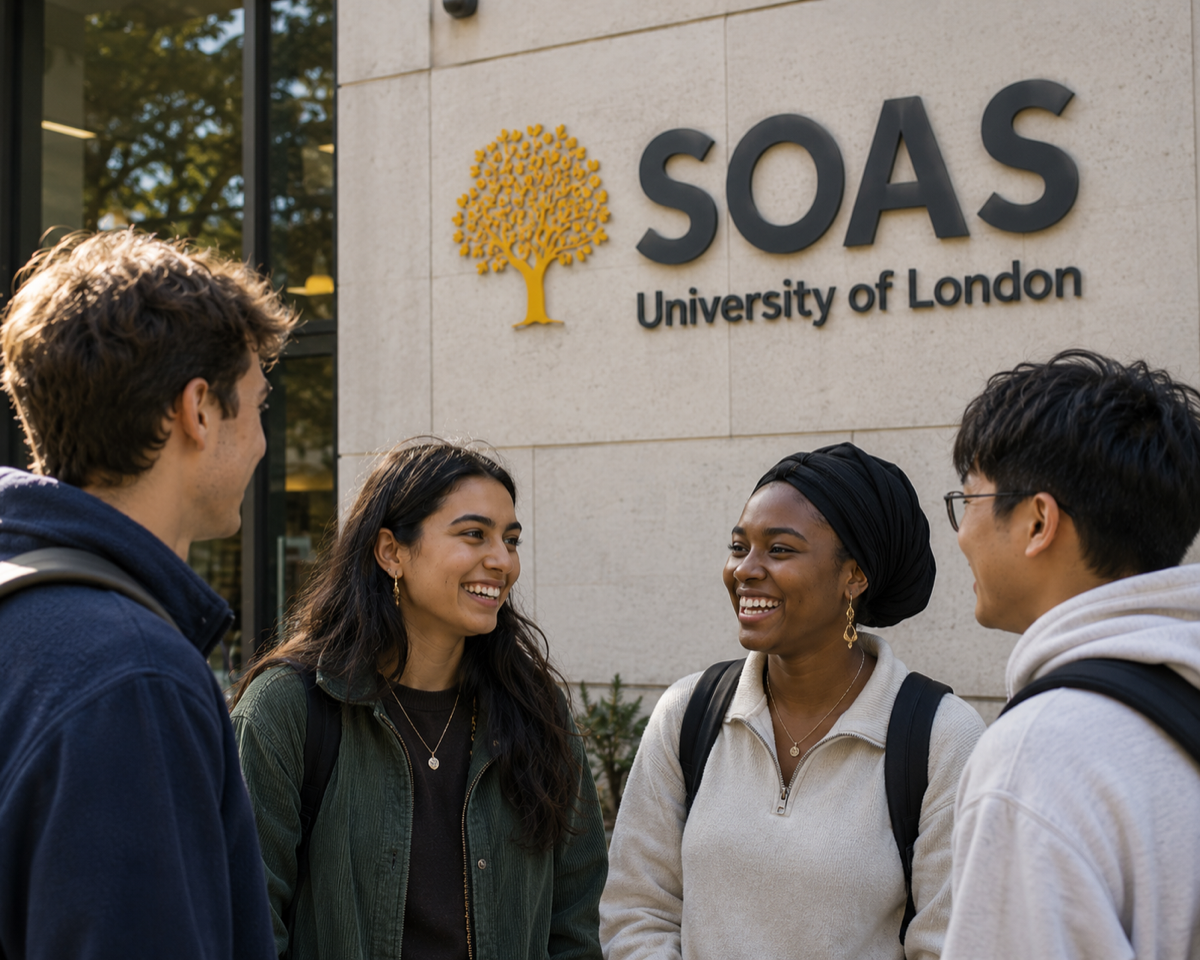
BA Digital Media, Culture and International Relations
About this course
Digital Media, Culture and International Relations is an interdisciplinary degree that takes seriously the ways in which digital technologies have transformed how international affairs are conducted, how cultures interact, and how power is exercised and contested in the contemporary world. The internet, social media, digital journalism, surveillance systems, and information warfare are not simply tools used by political actors; they have reshaped the very fabric of international relations, altering how states communicate, how publics are mobilised, and how norms are propagated or undermined across borders. Understanding this requires both the analytical tools of international relations and a critical engagement with digital media and its cultural effects. At the School of Oriental and African Studies, this three-year full-time programme with a foundation year brings SOAS's distinctive international and area studies perspective to this combination. You will engage with digital media theory, the political economy of media, international relations theory, global governance, and the intersection of technology with the political and cultural dynamics of the regions that SOAS specialises in: Asia, Africa, the Middle East, and beyond. The foundation year provides additional academic preparation for students who need it before engaging with the full degree curriculum. Graduates of this distinctive programme are well placed for careers in international organisations, NGOs, journalism, public affairs, digital policy, think tanks, and the civil service, as well as in roles within the technology and media industries where international and cultural expertise is an asset. Many go on to postgraduate study in international relations, media studies, digital policy, or area studies, some pursuing research careers that examine the intersection of technology and global politics. The combination of disciplinary perspectives that SOAS brings to this degree makes it genuinely unusual and professionally distinctive.
Syllabus & Modules
Typical curriculumStudent Satisfaction
National Student Survey - 170 respondents (64% response rate)
Similarly Ranked Alternatives


What comes next? 🎓
Choosing the right university starts with choosing the right school. Explore transparent, data-driven school profiles powered by official DfE statistics.
Explore Schools on WhatSchool.ai →