BSc Dance Science
About this course
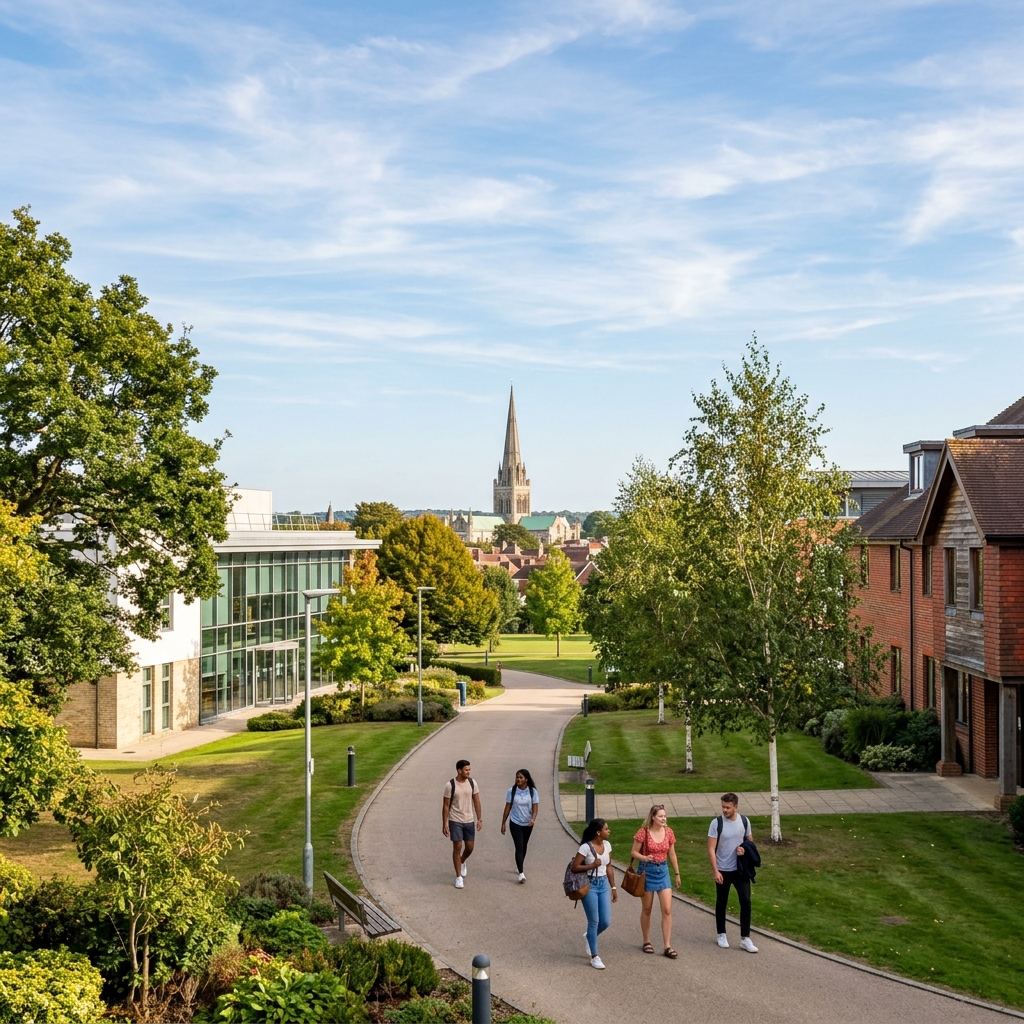
Dance science applies the methods and frameworks of scientific enquiry to the art and practice of dance, examining what happens to the human body and mind when people dance. It is a discipline that sits at the intersection of the arts and the sciences, combining practical engagement with dance as a creative and performative form with rigorous scientific study of anatomy, physiology, psychology and biomechanics. The growing recognition that dancers are elite athletes as well as artists has driven significant development in this field, and dance scientists work in professional companies, schools, higher education and healthcare alongside dancers, choreographers and movement therapists. At the University of Chichester, this three-year programme uses scientific research approaches combined with personal practice to examine what happens to bodies and minds when people dance, as the university's own description puts it. You will study anatomy and physiology relevant to dance, biomechanics of movement, the psychology of performance and injury, nutrition for dancers, injury prevention and management, creative process and choreographic practice, and research methods that allow you to investigate dance science questions with rigour. The combination of personal practice and scientific study means you develop both as a dancer and as a scientist of dance, with each dimension enriching the other. Chichester's approach reflects a genuine integration of the two aspects of the degree: you will not simply study science about dance in the abstract but use your own practice as material for scientific investigation and use scientific knowledge to inform and improve your practice. Graduates go on to careers in professional dance companies as dance scientists, movement analysts or injury prevention specialists, in education as dance teachers or physical education professionals, in healthcare as movement therapists or physiotherapists (with additional training), and in research. Further study in dance science, physiotherapy, sport science or performance psychology is also a common route.
Syllabus & Modules
Typical curriculumStudent Satisfaction
National Student Survey - 125 respondents (77% response rate)
Similarly Ranked Alternatives
What comes next? 🎓
Choosing the right university starts with choosing the right school. Explore transparent, data-driven school profiles powered by official DfE statistics.
Explore Schools on WhatSchool.ai →