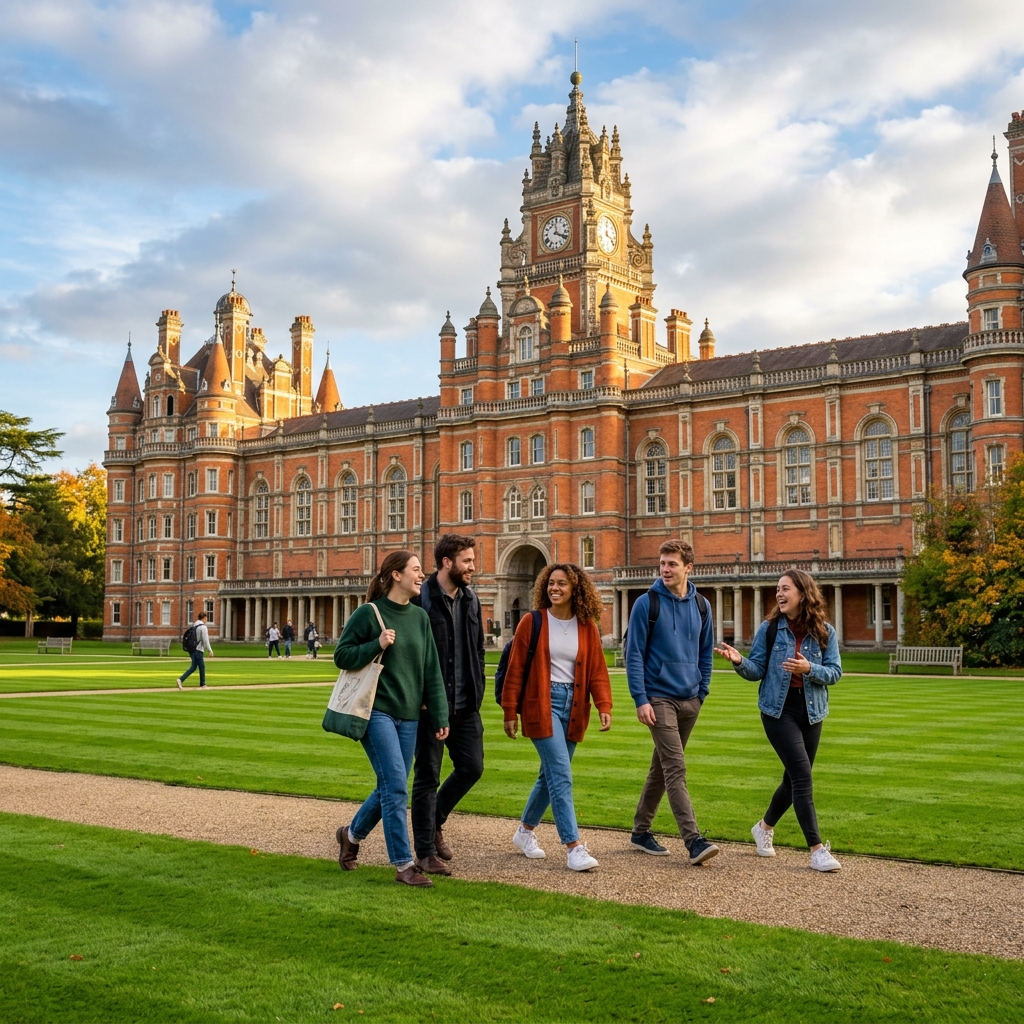
BSc Criminology and Sociology with a Year in Industry
About this course
Criminology and sociology together provide a powerful framework for understanding the social dimensions of crime, deviance, and justice. Criminology examines why crime occurs, how it is defined and measured, how the criminal justice system responds to it, and what the effects of punishment and rehabilitation are. Sociology supplies the broader theoretical and empirical tools for understanding the social structures, inequalities, and cultural forces within which crime takes place. Studied together, they give you both depth and context. At Royal Holloway, this four-year full-time programme benefits from the intellectually ambitious approach of a department with internationally recognised research expertise. You will develop skills in research design, data analysis, and critical argument, learning to engage with the full range of sociological and criminological literature. The degree addresses crime in relation to class, race, gender, and other axes of inequality, as well as the institutions, policies, and practices of the criminal justice system. The year in industry is a distinctive feature of this programme, placing you in a professional environment for a substantial period and allowing you to apply your learning in a real-world context while building the professional network and practical experience that employers value. The programme also includes a year abroad option. The typical entry tariff is 120 UCAS points. Graduates of criminology and sociology programmes pursue careers in the police and criminal justice system, probation and rehabilitation services, social work, policy research, the charity sector, journalism, and academia. The research and analytical skills the degree develops are valued across all these fields, and Royal Holloway's reputation for rigorous, research-led teaching gives graduates a strong professional foundation. Many graduates also go on to postgraduate study in criminology, sociology, law, social work, or public policy, building on the critical and empirical skills the undergraduate degree has given them.
Syllabus & Modules
Typical curriculumStudent Satisfaction
National Student Survey - 10 respondents (71% response rate)
Similarly Ranked Alternatives
What comes next? 🎓
Choosing the right university starts with choosing the right school. Explore transparent, data-driven school profiles powered by official DfE statistics.
Explore Schools on WhatSchool.ai →