High Drop-out Rate Alert
21% of students drop out or transfer from this specific course. Consider asking why on an open day.
BA Counselling Skills and Sociology
About this course
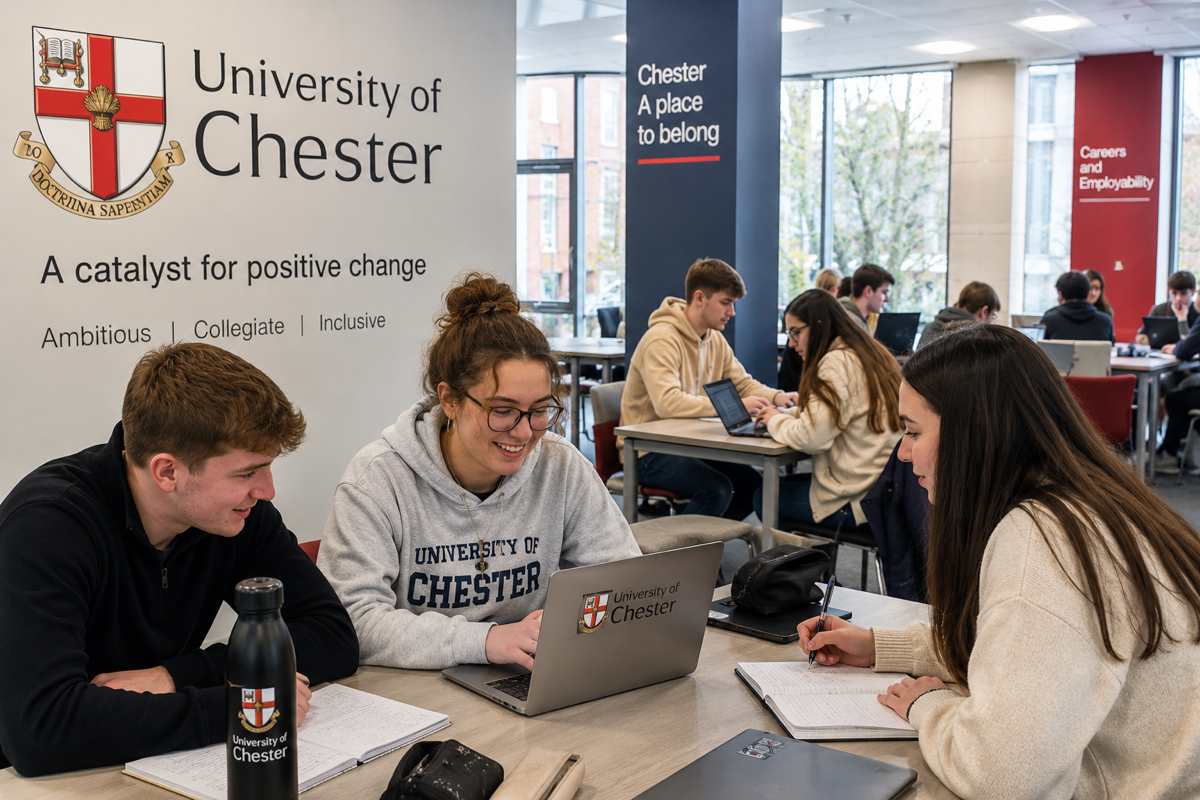
Counselling skills and sociology is a combination that brings together practical therapeutic training with a rigorous social and contextual understanding of the people and communities that counsellors work with. Counselling skills develop your ability to listen deeply, communicate empathically, and support people through emotional and psychological difficulties. Sociology provides the broader analytical framework, examining how social structures, inequalities, cultural norms, and institutional environments shape people's experiences and wellbeing. Together, the two disciplines prepare you both to support individuals and to understand the social contexts in which they live. The University of Chester's three-year full-time Counselling Skills and Sociology degree carries a typical entry tariff of 120 points and includes a year abroad option. As the course itself describes, it provides the chance to gain highly developed counselling skills to help others and can provide the foundations for further therapeutic training for those who wish to pursue professional counsellor qualification routes. It is a practical, reflective, and academic programme that combines theory with social and contextual considerations. You will develop counselling skills through supervised practice alongside sociological understanding of inequality, identity, social policy, and the communities in which support work takes place. The combination is particularly suited to students who want both the personal depth of therapeutic training and the analytical breadth of social science. Graduates work in counselling and support roles in healthcare, education, the voluntary sector, social care, youth work, and community organisations. Many go on to undertake further professional training in counselling or psychotherapy to achieve full therapeutic qualification. Others apply their skills and sociological understanding in social work, community development, mental health support, and policy roles. The combination of practical skill and social analysis the degree develops prepares graduates for a wide range of people-facing careers.
Syllabus & Modules
Typical curriculumStudent Satisfaction
National Student Survey - 15 respondents (68% response rate)
Similarly Ranked Alternatives
What comes next? 🎓
Choosing the right university starts with choosing the right school. Explore transparent, data-driven school profiles powered by official DfE statistics.
Explore Schools on WhatSchool.ai →