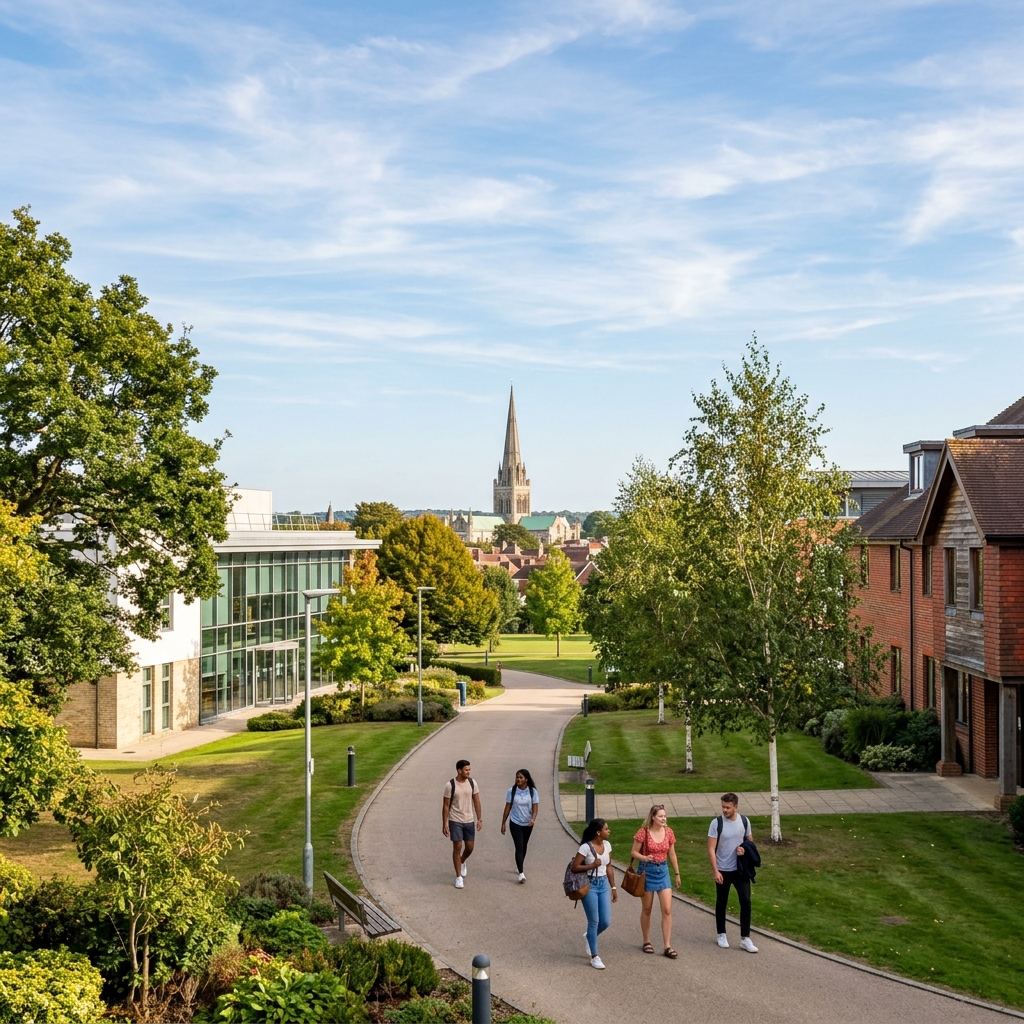
BSc Counselling Psychology
About this course
Counselling psychology sits at the intersection of clinical practice and academic psychology, bringing a rigorous scientific understanding of human development and psychological processes to the practical work of supporting people through emotional and mental health difficulties. It differs from clinical psychology primarily in its emphasis on the therapeutic relationship and on humanistic and person-centred approaches, though counselling psychologists draw on a wide range of theoretical frameworks, including cognitive-behavioural, psychodynamic, and integrative models. At Chichester, this three-year full-time programme builds a solid grounding in psychological science alongside counselling theory and skills. You will study core psychology, covering cognitive, developmental, biological, social, and abnormal psychology, so that you understand the scientific foundations on which therapeutic practice is built. Alongside this, you will develop an understanding of the major counselling theories, practise counselling skills in structured settings, and reflect critically on your own development as a practitioner. A foundation year is available for students who need additional preparation before entering the main degree. The programme takes seriously the ethical and personal dimensions of therapeutic work, and you will be supported to develop the self-awareness and professional values that counselling psychology demands. Completion of this undergraduate degree provides a strong foundation for those wishing to pursue further training as counselling psychologists, including professional doctorates accredited by the British Psychological Society. Graduates also go on to work in supporting roles in mental health services, voluntary sector organisations, community support, coaching, and human resources. Those who obtain Graduate Basis for Chartered Membership through the degree may proceed to a wide range of postgraduate pathways in applied psychology. It is a degree suited to people who are genuinely curious about human experience and committed to supporting others.
Syllabus & Modules
Typical curriculumStudent Satisfaction
National Student Survey - 20 respondents (79% response rate)
Similarly Ranked Alternatives


What comes next? 🎓
Choosing the right university starts with choosing the right school. Explore transparent, data-driven school profiles powered by official DfE statistics.
Explore Schools on WhatSchool.ai →