BSc Computing Science/Physics
About this course
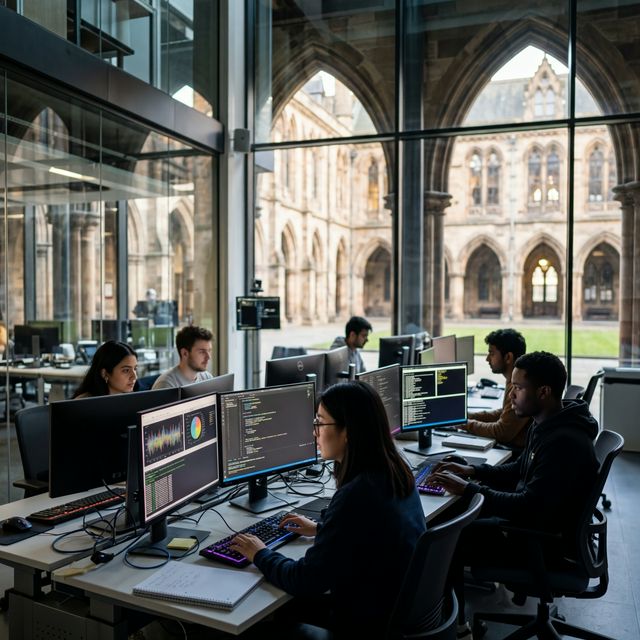
Computing science and physics is a combination that brings together the software and algorithmic dimensions of computing with the mathematical and physical foundations that describe the natural world. Computing science is wide-ranging in its scope, encompassing programming, software engineering, algorithms, human-computer interfaces, artificial intelligence, and large-scale data systems. Physics provides the theoretical framework for understanding matter, energy, and the fundamental forces of nature, and it is the discipline that most directly shapes the technologies, from quantum computing to photonics to materials science, that will define the future of computing. At the University of Glasgow, this four-year, full-time degree develops genuine expertise in both disciplines. You will study the full range of computing science topics, from programming and systems design through to AI and large-scale data, alongside the mathematical foundations of physics, quantum mechanics, electromagnetism, and the experimental methods that distinguish physics as a scientific practice. The two disciplines interact productively: physical intuition illuminates computational problems, and computational methods are increasingly central to physical research. A year abroad is embedded in the programme, giving you the opportunity to study in a different academic environment. The typical entry tariff of 216 points reflects high academic expectations at a leading research university. Graduates of computing science and physics are exceptionally well placed in the job market. The combination of programming depth and physical intuition is particularly valued in quantum computing, scientific simulation, data science, machine learning, and technology research. Many graduates also go on to postgraduate study or doctoral research in physics, computer science, or interdisciplinary fields that sit at the boundary of the two disciplines. Industry roles in technology, finance, defence, and energy also draw heavily on the quantitative and analytical training this combination provides.
Syllabus & Modules
Typical curriculumStudent Satisfaction
National Student Survey - 85 respondents (71% response rate)
Similarly Ranked Alternatives
What comes next? 🎓
Choosing the right university starts with choosing the right school. Explore transparent, data-driven school profiles powered by official DfE statistics.
Explore Schools on WhatSchool.ai →