MA Computing Science/Latin
About this course
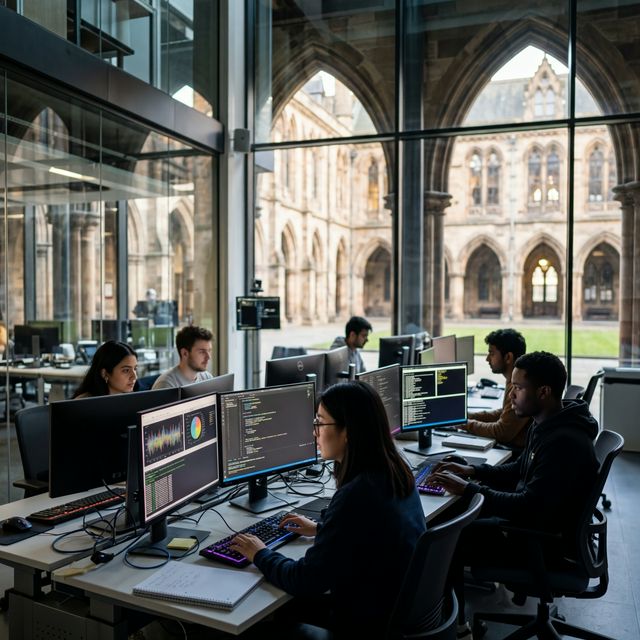
Computing science and Latin is a combination that places the most ancient of humanistic disciplines alongside the most contemporary of technical ones, and the juxtaposition is more productive than it might appear. Computing science is wide-ranging, encompassing programming and software engineering, algorithm design, human-computer interaction, artificial intelligence, information retrieval, and the principles of large-scale computer and network systems. Latin provides access to one of the most significant bodies of literature and thought in Western history, developing skills in close linguistic analysis, logical reasoning, and sustained engagement with complex texts. Both disciplines reward precision, patience, and the capacity to think systematically. At the University of Glasgow this four-year MA programme includes a year abroad, giving you the opportunity to study in another country and to encounter different approaches to both computing and classical scholarship. You will develop technical computing skills in programming, algorithms, software design, and system architecture alongside proficiency in Latin and knowledge of Roman literature, history, and culture. The combination is unusual, but the intellectual habits developed across both disciplines, rigorous analysis, attention to structure, and comfort with abstraction, are genuinely complementary. Graduates from this kind of combination take a range of paths. The computing science skills open careers in software development, systems engineering, AI, data science, and technology consulting, where the discipline of Latin study is a mark of intellectual breadth and seriousness. The Latin qualification opens additional pathways in academia, education, heritage, and publishing, where classical expertise is valued. For those interested in the history of computing and mathematics, or in the philosophical and ethical questions that both logic and the humanities raise, the combination offers a genuinely distinctive perspective. Further study at postgraduate level in computing science or classical studies is a natural next step.
Syllabus & Modules
Typical curriculumStudent Satisfaction
National Student Survey - 140 respondents (68% response rate)
Similarly Ranked Alternatives
What comes next? 🎓
Choosing the right university starts with choosing the right school. Explore transparent, data-driven school profiles powered by official DfE statistics.
Explore Schools on WhatSchool.ai →