BEng Computer Engineering
About this course
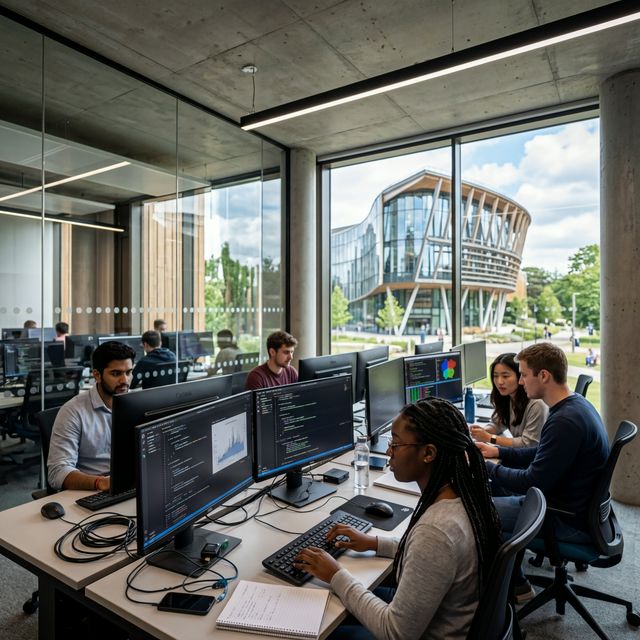
Computer engineering sits at the boundary between hardware and software, asking not just how to write programs that run on a computer, but how to design and build the computer itself. It combines principles from electrical engineering with the theory and practice of computer science, producing graduates who understand digital systems from the level of transistors and circuits all the way up to distributed networks and software architecture. As computing becomes embedded in everything from medical devices to autonomous vehicles, the ability to design hardware and software together has never been more valuable. At the University of Southampton, this three-year full-time degree gives you an in-depth understanding of how to design and implement modern computer systems. You will apply mathematical principles and engineering knowledge to the design of processors, digital circuits, operating systems, and the networks that link them. The curriculum develops your ability to think rigorously about the relationship between physical systems and the software that controls them, and you will gain hands-on experience with design tools alongside your theoretical studies. Southampton is a research-intensive university with strengths in electronics and computer science, and you will benefit from that expertise throughout your degree. Graduates in computer engineering are in demand across a wide range of industries. Roles include embedded systems engineer, hardware designer, digital systems engineer, semiconductor engineer, and systems architect, and you can find these positions in sectors as varied as telecommunications, aerospace, automotive, consumer electronics, defence, and healthcare technology. The combination of hardware and software expertise also makes computer engineering graduates well suited to work in research and development, where new generations of computing systems are being designed. Postgraduate study in computer engineering, embedded systems, hardware design, or related fields is a strong option for those who want to deepen their technical specialism.
Syllabus & Modules
Typical curriculumStudent Satisfaction
National Student Survey - 25 respondents (78% response rate)
Similarly Ranked Alternatives


What comes next? 🎓
Choosing the right university starts with choosing the right school. Explore transparent, data-driven school profiles powered by official DfE statistics.
Explore Schools on WhatSchool.ai →