BSc Biomedical Sciences with a Modern Language
About this course
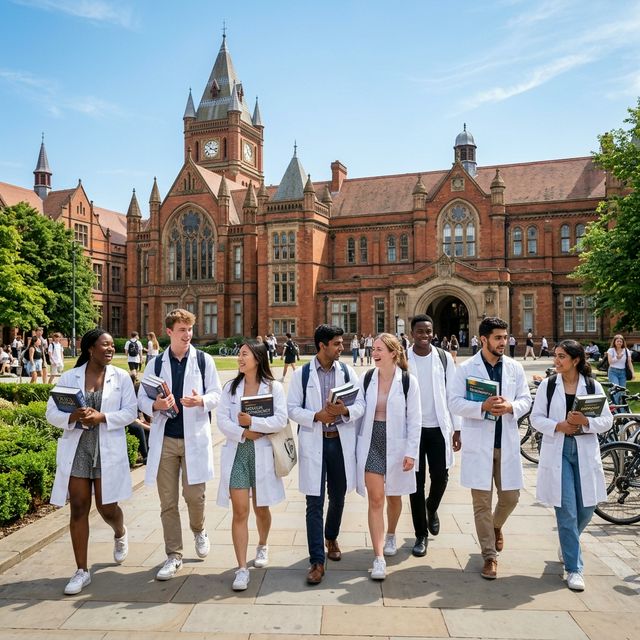
Biomedical sciences combined with a modern language offers something genuinely rare in science education: the combination of rigorous medical and biological knowledge with real professional competence in another language. The biomedical sciences cover the full range of disciplines that underpin clinical medicine, including physiology, pharmacology, neuroscience, cell biology, microbiology, anatomy and histology, genetics, biochemistry, and immunology. Adding a modern language to that scientific foundation opens career opportunities in international research, clinical roles in multilingual environments, pharmaceutical companies with global operations, and development organisations working in health. At the University of Manchester, this four-year, full-time BSc is available with a foundation year for students who need an additional preparatory year. The programme develops your language skills, which may include French, Spanish, German, or other options, to a level of genuine professional competence alongside a strong scientific education. A sandwich year and work placement are built in, giving you the opportunity to apply both your scientific knowledge and your language skills in professional settings, including potentially in a country where your target language is spoken. Manchester is a leading research university with particular strengths in the biomedical and life sciences, and the programme benefits from that environment. The typical entry tariff of 168 points reflects the demanding nature of the combination. Biomedical sciences graduates with a modern language are well placed for careers in international pharmaceutical companies, clinical research organisations, global health NGOs, and medical research institutions with international partnerships. Many also use the scientific foundation for progression to postgraduate professional training in medicine, dentistry, or a healthcare science, with the added advantage of a professional language. Others enter roles in science communication, regulatory affairs, or medical writing, where both scientific literacy and language skills are directly relevant.
Syllabus & Modules
Typical curriculumStudent Satisfaction
National Student Survey - 190 respondents (79% response rate)
Similarly Ranked Alternatives


What comes next? 🎓
Choosing the right university starts with choosing the right school. Explore transparent, data-driven school profiles powered by official DfE statistics.
Explore Schools on WhatSchool.ai →