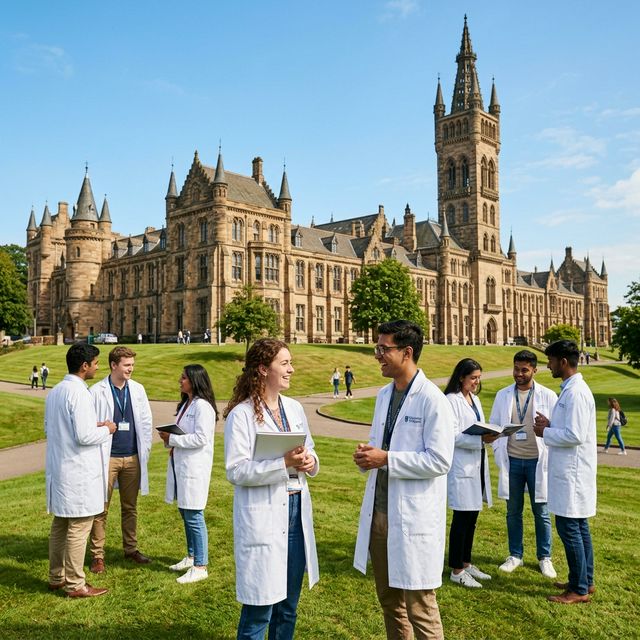
BSc Biomedical Science
About this course
Biomedical science is the discipline that provides the laboratory foundation of modern healthcare. Biomedical scientists analyse patient samples, including blood, tissue, and body fluids, using a range of scientific techniques to produce reliable data that supports the diagnosis and monitoring of disease. They work in NHS and independent laboratories across specialisms including clinical biochemistry, haematology, histopathology, medical microbiology, blood transfusion, immunology, and virology, and their findings directly inform the clinical decisions of doctors and other healthcare professionals. The discipline combines rigorous scientific training with an understanding of how laboratory findings relate to patient care. At Glasgow Caledonian University this part-time programme allows you to develop the scientific knowledge and laboratory skills needed for a career in biomedical science while fitting study around other commitments. You will learn how to detect signs of illness, monitor treatment, and understand how disease develops and progresses, developing competence in the laboratory methods used to investigate infections, blood disorders, cancers, metabolic conditions, and a wide range of other clinical presentations. The programme provides the academic grounding required for professional registration and develops the precision, attention to detail, and analytical capability that laboratory practice demands. Graduation from an Institute of Biomedical Science-accredited programme enables registration with the Health and Care Professions Council as a Biomedical Scientist, which is required for working in NHS clinical laboratories. Careers span all the major laboratory specialisms, with opportunities for progression into specialist and senior roles, management, quality assurance, and clinical education. Some graduates also continue to postgraduate study or specialist training in areas such as haematology, cytology, or molecular pathology, while others move into research, pharmaceutical quality control, or medical laboratory development roles.
Syllabus & Modules
Typical curriculumStudent Satisfaction
National Student Survey - 10 respondents (86% response rate)
What comes next? 🎓
Choosing the right university starts with choosing the right school. Explore transparent, data-driven school profiles powered by official DfE statistics.
Explore Schools on WhatSchool.ai →