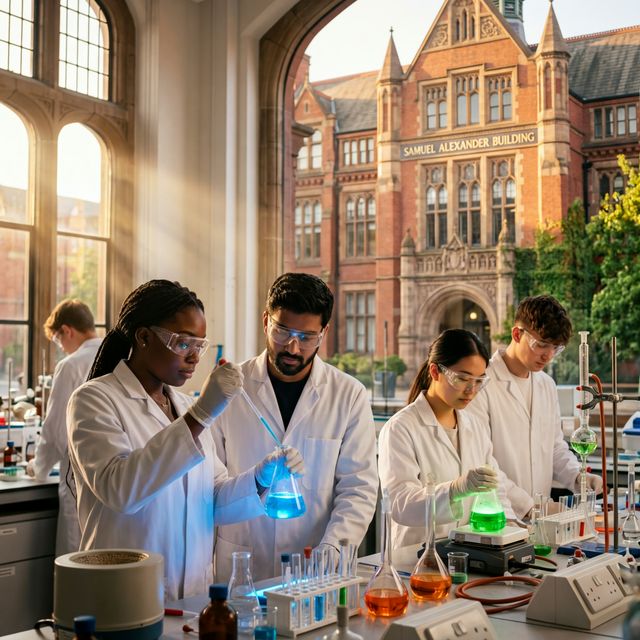
BSc Biochemistry with a Modern Language
About this course
Biochemistry is the science of life at its most fundamental level, exploring the chemical processes that occur within and between living cells. It sits at the boundary of chemistry and biology, asking how molecules carry genetic information, how enzymes catalyse the reactions that sustain metabolism, how proteins fold into shapes that determine their function, and how these processes go wrong in disease. The field underpins modern medicine, pharmacology, agriculture and biotechnology, and it advances at a pace that means graduates are entering a world where the discoveries they read about as students are already being translated into therapies and technologies. At the University of Manchester, this four-year full-time degree combines a rigorous biochemistry education with the study of a modern language, giving you a genuinely distinctive profile as a graduate. You will develop your language skills in parallel with the scientific core of the programme, which covers molecular biology, cell signalling, structural biochemistry, genetics and analytical techniques, building the ability to read, analyse and contribute to scientific research. The degree includes a foundation year and a sandwich year with work placement opportunities, so you will spend extended time in a professional scientific or industrial environment before graduating. Typical entry is around 168 UCAS tariff points, reflecting the substantial academic demands of combining a science degree with language learning at this level. Graduates from Biochemistry with a Modern Language are well placed for careers in pharmaceutical and biotechnology companies, research laboratories, public health organisations, science communication, regulatory affairs, and international scientific bodies where language skills add immediate practical value. The language component also opens doors in science diplomacy, policy, and roles that require collaboration across national scientific communities. Further study routes include PhDs in biochemistry, structural biology, pharmacology or related areas, as well as graduate medicine programmes and specialist masters in biotechnology or drug discovery.
Syllabus & Modules
Typical curriculumStudent Satisfaction
National Student Survey - 85 respondents (78% response rate)
Similarly Ranked Alternatives
What comes next? 🎓
Choosing the right university starts with choosing the right school. Explore transparent, data-driven school profiles powered by official DfE statistics.
Explore Schools on WhatSchool.ai →