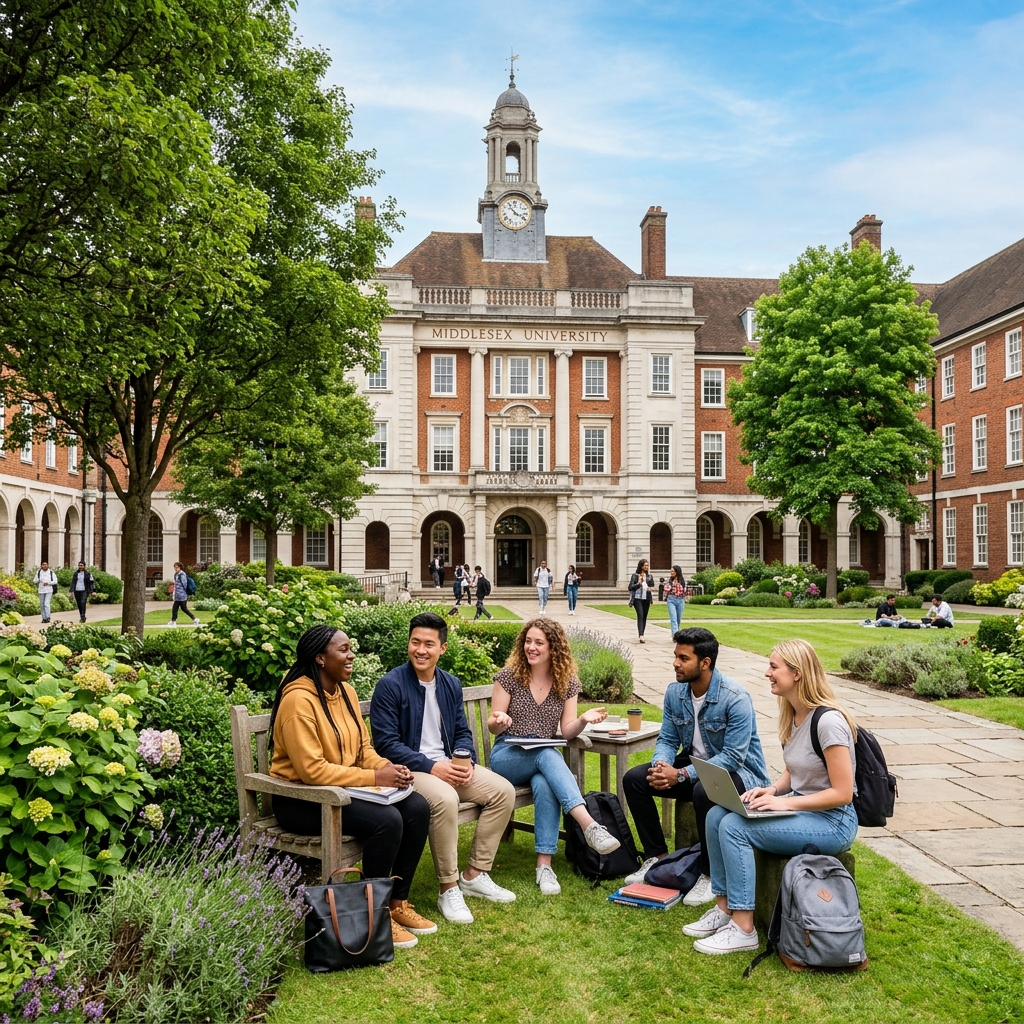
BSc Biochemistry
About this course
Biochemistry is the study of the chemical processes that underlie life, examining how the molecules that make up living organisms, including proteins, nucleic acids, lipids, and carbohydrates, are structured, how they interact, and how they are regulated. The discipline sits at the intersection of chemistry and biology, and it provides the molecular foundation for understanding metabolism, cell signalling, gene expression, enzyme function, and the biochemical basis of disease. As molecular biology and genomics have transformed medicine, agriculture, and biotechnology, biochemistry has become one of the most practically important of the biological sciences. At Middlesex University, this programme is offered on a part-time basis and includes a foundation year and a sandwich placement year as well as work placement experience. The part-time structure makes biochemistry accessible to students who cannot commit to full-time study, including those who are working, caring, or combining study with other responsibilities. The foundation year builds the chemistry, biology, and mathematics foundations needed for degree-level biochemistry, ensuring that students entering with varied prior qualifications can succeed in the main degree. The sandwich placement and work placements give you direct professional experience in a laboratory, clinical, or industrial setting alongside your academic studies. The academic curriculum covers molecular biology, cell biology, metabolism, enzymology, genetics, pharmacology, and biochemical research techniques, developing both theoretical understanding and practical laboratory competence. The part-time format means the degree takes longer than a conventional three-year programme, but the qualification is equivalent. Graduates work in pharmaceutical research and development, biotechnology, clinical biochemistry, forensic science, food science, and academic research. Many go on to postgraduate study in biochemistry, molecular biology, pharmacology, or related disciplines. The practical experience gained through the placement adds significant value to graduate profiles in a competitive job market.
Syllabus & Modules
Typical curriculumStudent Satisfaction
Missing Satisfaction Data
The university has not shared complete student satisfaction records for this specific degree metrics block. You may want to formally explore these topics with the university staff at an open day before committing.
What comes next? 🎓
Choosing the right university starts with choosing the right school. Explore transparent, data-driven school profiles powered by official DfE statistics.
Explore Schools on WhatSchool.ai →