High Drop-out Rate Alert
25% of students drop out or transfer from this specific course. Consider asking why on an open day.
BA Arabic and History of Art
About this course
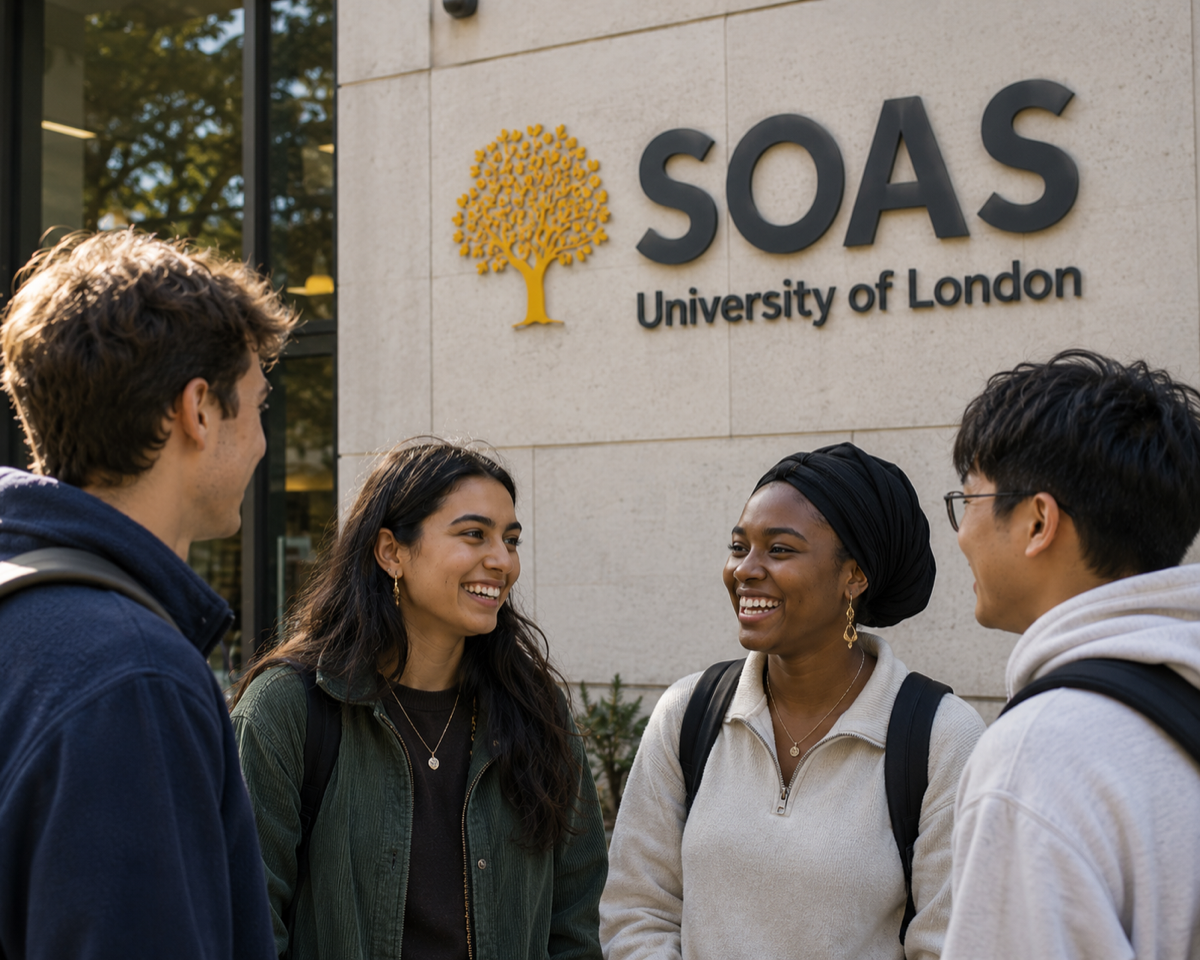
Arabic and history of art is a combination that brings together two disciplines deeply invested in questions of culture, meaning, and visual expression across time and place. Arabic is one of the world's most significant languages, spoken by hundreds of millions of people and serving as the vehicle for a rich literary, philosophical, scientific, and artistic tradition spanning more than fourteen centuries. History of art develops your ability to look carefully at visual objects and to understand how they were made, what they meant in their contexts, and how they have been interpreted over time. Studied together, the two disciplines open up an enormous range of artistic and cultural production that would otherwise remain inaccessible. At SOAS this four-year full-time programme draws on the institution's unparalleled expertise in the languages and cultures of Asia, Africa, and the Middle East. A foundation year is available, providing additional preparation for students who need to build linguistic or academic foundations before progressing into the main degree. You will develop genuine proficiency in Arabic alongside the art historical methods and critical vocabulary needed to engage seriously with visual culture from the Islamic world and beyond. The combination is particularly well suited to students interested in Islamic art and architecture, but the breadth of both disciplines means you can pursue a wide range of interests across both. Graduates from this programme are well placed for careers in museums, galleries, heritage institutions, and cultural organisations with interests in the Islamic world and the Middle East. Academic research and postgraduate study in art history, Islamic studies, or Arabic and Middle Eastern studies are natural routes for those drawn to scholarly careers. Others find careers in journalism, international organisations, cultural diplomacy, and the arts, where the combination of language proficiency and visual cultural knowledge is distinctive and valued.
Syllabus & Modules
Typical curriculumStudent Satisfaction
National Student Survey - 20 respondents (78% response rate)
Similarly Ranked Alternatives
What comes next? 🎓
Choosing the right university starts with choosing the right school. Explore transparent, data-driven school profiles powered by official DfE statistics.
Explore Schools on WhatSchool.ai →