High Drop-out Rate Alert
22% of students drop out or transfer from this specific course. Consider asking why on an open day.
BSc Zoology (with foundation year)
About this course
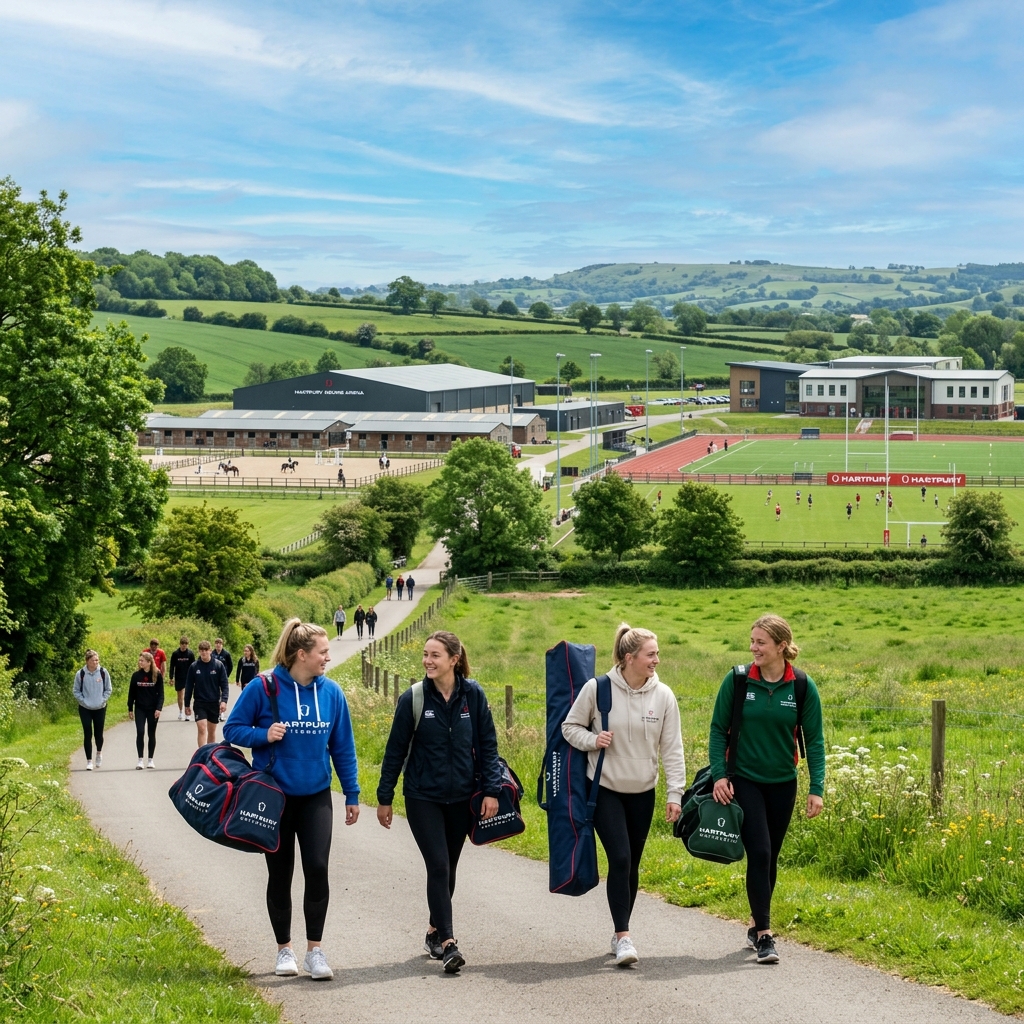
Zoology is the systematic study of the animal kingdom in all its diversity, examining animal biology from the molecular and cellular level through to behaviour, ecology and conservation. It is a discipline that combines rigorous laboratory and fieldwork training with the broader scientific frameworks needed to understand how animals have evolved, how they interact with each other and their environments, and how human activity is changing those relationships. At a time when biodiversity loss and ecosystem collapse are among the defining challenges facing the planet, zoologists are central to the research, monitoring and management work that conservation depends on. At Hartpury University, this four-year programme begins with a period of foundational study that supports you in developing the scientific principles and practical skills needed for degree-level work. The foundation period is designed to build your confidence and capability before you move into the core zoology curriculum, where you will cover animal physiology, ecology, taxonomy, behavioural science, and conservation biology. The programme includes a sandwich year in professional practice and work placement opportunities, meaning you will gain real experience working alongside professionals in wildlife management, conservation, zoological institutions, or related fields before you graduate. This practical dimension is a significant advantage when moving into employment. Hartpury's location in Gloucestershire, close to a wide range of countryside and wildlife habitats, provides a natural setting for fieldwork and ecological study. Graduates of zoology programmes work in conservation, wildlife management, ecological consultancy, environmental monitoring, zoological collections, research, and education. Some move into veterinary science, ecology or environmental science via postgraduate study, while others go into science communication, policy, or the charity sector. The combination of biological knowledge, fieldwork skills and practical industry experience makes this degree a strong preparation for a career working with animals and in environmental science.
Syllabus & Modules
Typical curriculumStudent Satisfaction
National Student Survey - 35 respondents (73% response rate)
Similarly Ranked Alternatives



What comes next? 🎓
Choosing the right university starts with choosing the right school. Explore transparent, data-driven school profiles powered by official DfE statistics.
Explore Schools on WhatSchool.ai →