BSc Wildlife Ecology and Conservation
About this course
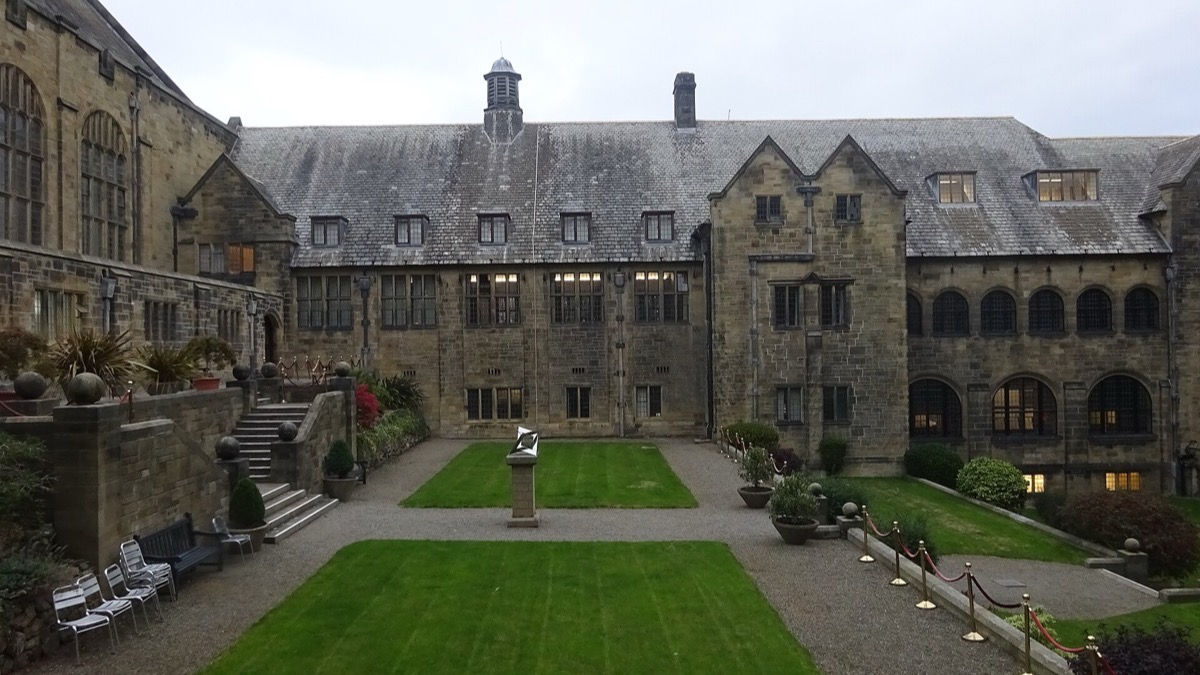
Wildlife ecology and conservation is a discipline concerned with understanding animal and plant species in their natural environments and with developing the practical strategies needed to protect biodiversity in the face of habitat loss, climate change, invasive species, and overexploitation. It draws on ecology, evolutionary biology, zoology, and conservation science to ask how ecosystems function, what drives species decline, and what interventions can reverse it. As biodiversity loss has become one of the defining environmental challenges of the twenty-first century, the expertise of conservation ecologists has become more critical than ever. At Bangor University this three-year full-time programme includes a foundation year for those who need additional scientific preparation before entering the main degree, as well as a sandwich placement year, a year abroad, and a work placement component, giving you substantial professional experience in conservation settings before you graduate. Bangor is located in North Wales, one of the UK's most ecologically rich regions, with outstanding access to upland habitats, coastal ecosystems, woodland, and marine environments that serve as living classrooms for field-based ecological study. The university has strong connections to conservation organisations operating locally and internationally. The typical entry tariff of 136 points reflects the scientific standard expected of students entering the main degree. You will develop fieldwork skills, ecological survey methods, data analysis, and the scientific and practical knowledge needed to contribute to conservation projects in professional settings. Graduates pursue careers in wildlife conservation, environmental consultancy, national parks, the Countryside and Wildlife Trust, RSPB, rewilding organisations, government environmental agencies, and international conservation bodies. Postgraduate study in conservation biology, ecology, or environmental management is a well-established next step for those seeking specialist or research roles.
Syllabus & Modules
Typical curriculumStudent Satisfaction
National Student Survey - 15 respondents (61% response rate)
Similarly Ranked Alternatives



What comes next? 🎓
Choosing the right university starts with choosing the right school. Explore transparent, data-driven school profiles powered by official DfE statistics.
Explore Schools on WhatSchool.ai →