High Drop-out Rate Alert
25% of students drop out or transfer from this specific course. Consider asking why on an open day.
BA Sociology With Social Policy
About this course
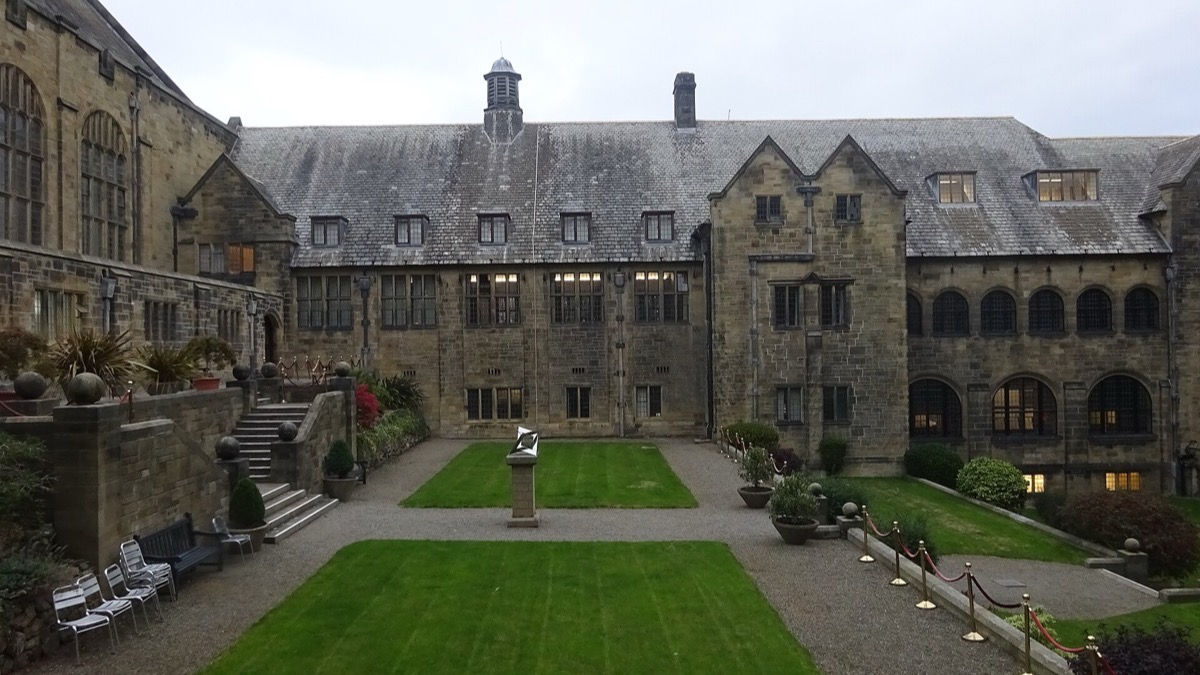
Sociology and social policy together form a powerful combination for understanding how societies are organised and how public decisions shape people's lives. Sociology examines the structures, processes, and cultural patterns that constitute social life, asking how class, gender, race, age, and other dimensions of social organisation affect the opportunities and experiences available to different groups. Social policy focuses more specifically on the role of the state and other institutions in addressing social needs, examining welfare systems, healthcare, housing, education, and the debates about who should be responsible for what and how public resources should be allocated. Bangor University's three-year full-time Sociology with Social Policy programme includes a foundation year, a year abroad, and a sandwich year with work placement, making it a particularly comprehensive and well-supported programme. The foundation year prepares you for degree-level study, building the academic skills and subject knowledge you will need before the core curriculum begins, and it makes the programme accessible to students who may not have studied social sciences formally before. From there you will engage with sociological theory, research methods, welfare state analysis, comparative social policy, and the political and economic contexts in which social policy is made. The year abroad gives you an international perspective on how different societies organise welfare and manage social inequality, and the sandwich year and placement provide professional experience in a relevant organisational setting. A typical entry tariff of 104 points with the foundation year makes the programme accessible, and you will develop research, analytical, and communication skills valued across the public and third sectors. Graduates pursue careers in social research, local government, housing, social work (with further qualification), healthcare management, policy analysis, the voluntary sector, and community development. Postgraduate routes include sociology, social policy, social work, and public administration.
Syllabus & Modules
Typical curriculumStudent Satisfaction
National Student Survey - 40 respondents (71% response rate)
Similarly Ranked Alternatives


What comes next? 🎓
Choosing the right university starts with choosing the right school. Explore transparent, data-driven school profiles powered by official DfE statistics.
Explore Schools on WhatSchool.ai →