BA Sociology with Criminology
About this course
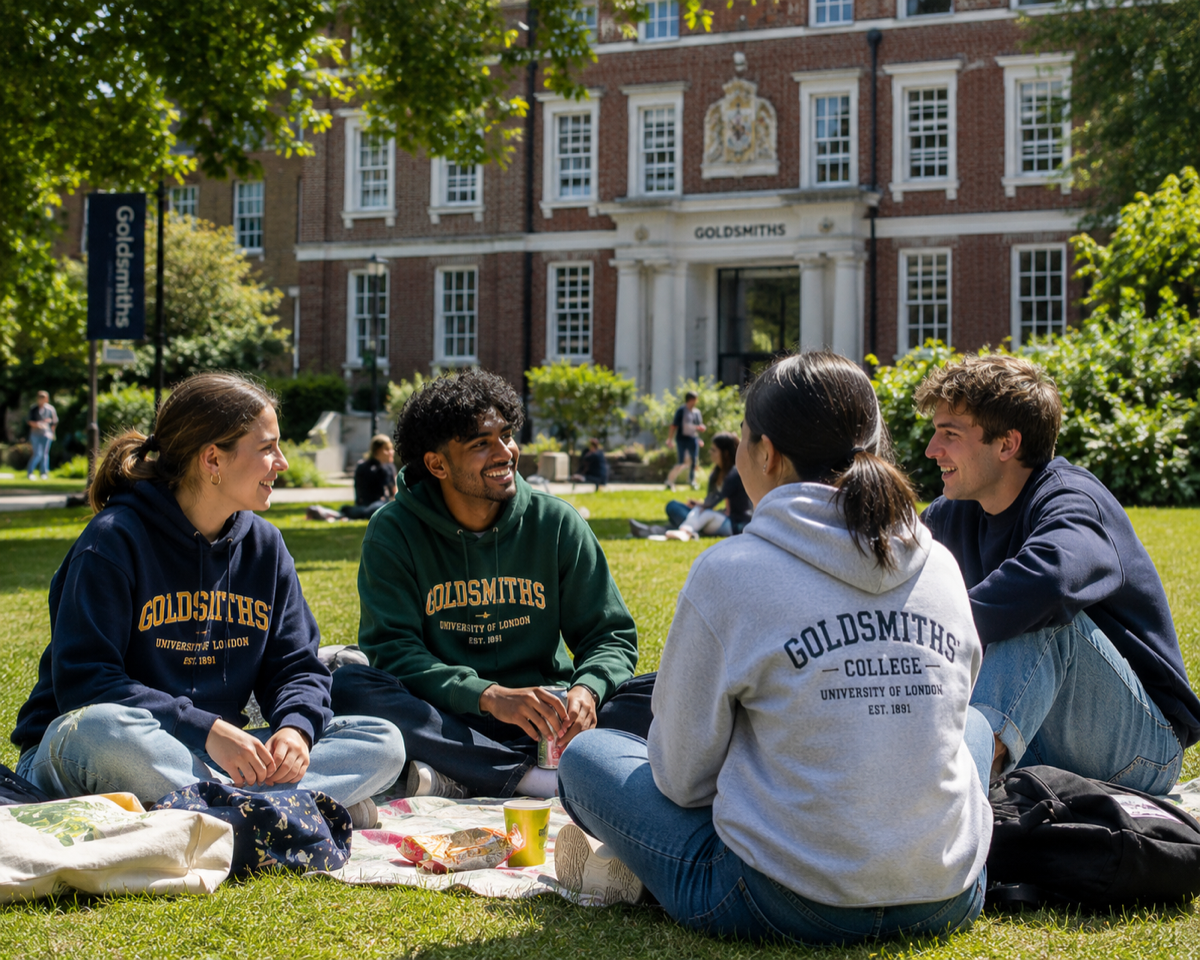
Sociology with Criminology places the study of crime within the broader sociological analysis of how societies are organised, how power operates, and how inequality shapes the life chances of different groups. Sociology asks fundamental questions about social structure, culture, and the forces that hold societies together or pull them apart. Criminology asks how societies define and respond to crime, who gets labelled a criminal, and whether the institutions of criminal justice actually deliver the justice they claim. Studying the two together develops a critical, evidence-based understanding of social problems and public policy. At Goldsmiths, which has a distinctive and internationally recognised tradition of critical and creative social science, this three-year full-time programme reflects the college's commitment to rigorous scholarship and social engagement. You will study sociological theory, research methods, social inequalities, culture, and urban life alongside criminological theory, the sociology of deviance and social control, policing, penal policy, and victimology. Goldsmiths's location in south-east London and its diverse student community make it a particularly stimulating environment for this kind of socially engaged scholarship. Sociology with Criminology graduates move into careers in social research, policy, the public sector, the third sector, and criminal justice. Research organisations, charities, local authorities, government departments, and advocacy organisations all employ people with this analytical background. Criminal justice roles in probation, youth offending, and community support are common destinations. Journalism, social work with further training, and public affairs are further options. Many graduates go on to postgraduate study in sociology, criminology, social work, or policy, and Goldsmiths's research culture provides a strong foundation for those who wish to pursue academic careers.
Syllabus & Modules
Typical curriculumStudent Satisfaction
National Student Survey - 15 respondents (65% response rate)
Similarly Ranked Alternatives



What comes next? 🎓
Choosing the right university starts with choosing the right school. Explore transparent, data-driven school profiles powered by official DfE statistics.
Explore Schools on WhatSchool.ai →