BSc Psychology
About this course
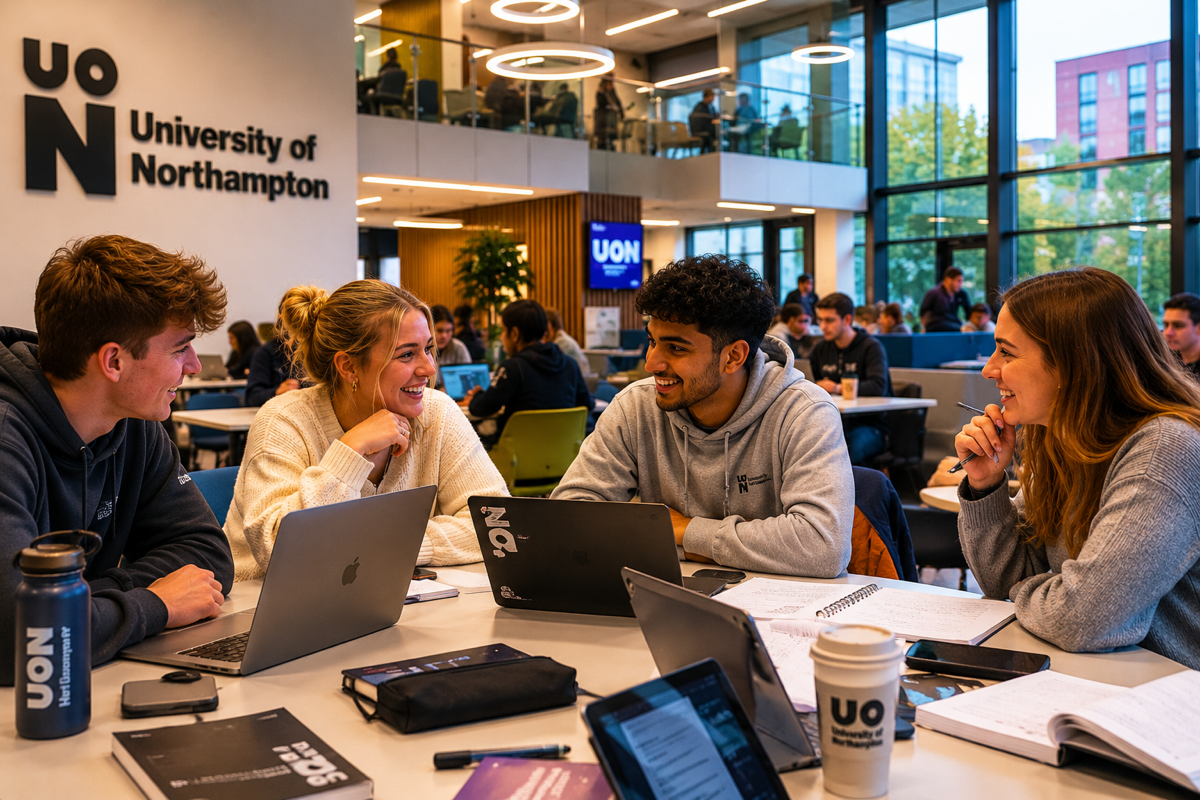
Psychology is the scientific study of mind and behaviour, asking how people perceive, think, feel, and relate to one another and to the world around them. It draws on biology, neuroscience, philosophy, and social science to investigate human experience from the neural processes underlying memory and emotion to the social forces that shape identity, prejudice, and group behaviour. As an academic discipline it is rigorous and evidence-based, and as an applied field it touches healthcare, education, organisations, sport, forensics, and clinical practice. The University of Northampton offers this psychology programme on a part-time basis, making it accessible to students who need to balance study with work, family, or other commitments. Part-time study requires discipline and self-management, and the programme is designed to support you through that challenge while ensuring you engage fully with the intellectual and practical demands of the subject. You will study the core areas of psychology required for a qualifying degree, including cognition, biological psychology, developmental psychology, social psychology, individual differences, research methods, and statistics. The part-time format allows you to study at a manageable pace without compromising the depth and rigour of the content. Psychology graduates go on to work in clinical and counselling psychology, educational psychology, health psychology, occupational psychology, forensic psychology, social research, human resources, marketing, and a wide range of other fields. Many continue to postgraduate training to qualify as chartered psychologists in a specific applied field. The research skills, analytical thinking, and understanding of human behaviour developed by a psychology degree are valued across virtually any career that involves working with people or interpreting evidence about them.
Syllabus & Modules
Typical curriculumStudent Satisfaction
Missing Satisfaction Data
The university has not shared complete student satisfaction records for this specific degree metrics block. You may want to formally explore these topics with the university staff at an open day before committing.
What comes next? 🎓
Choosing the right university starts with choosing the right school. Explore transparent, data-driven school profiles powered by official DfE statistics.
Explore Schools on WhatSchool.ai →