High Drop-out Rate Alert
27% of students drop out or transfer from this specific course. Consider asking why on an open day.
BA Product Design (Extended Degree)
About this course
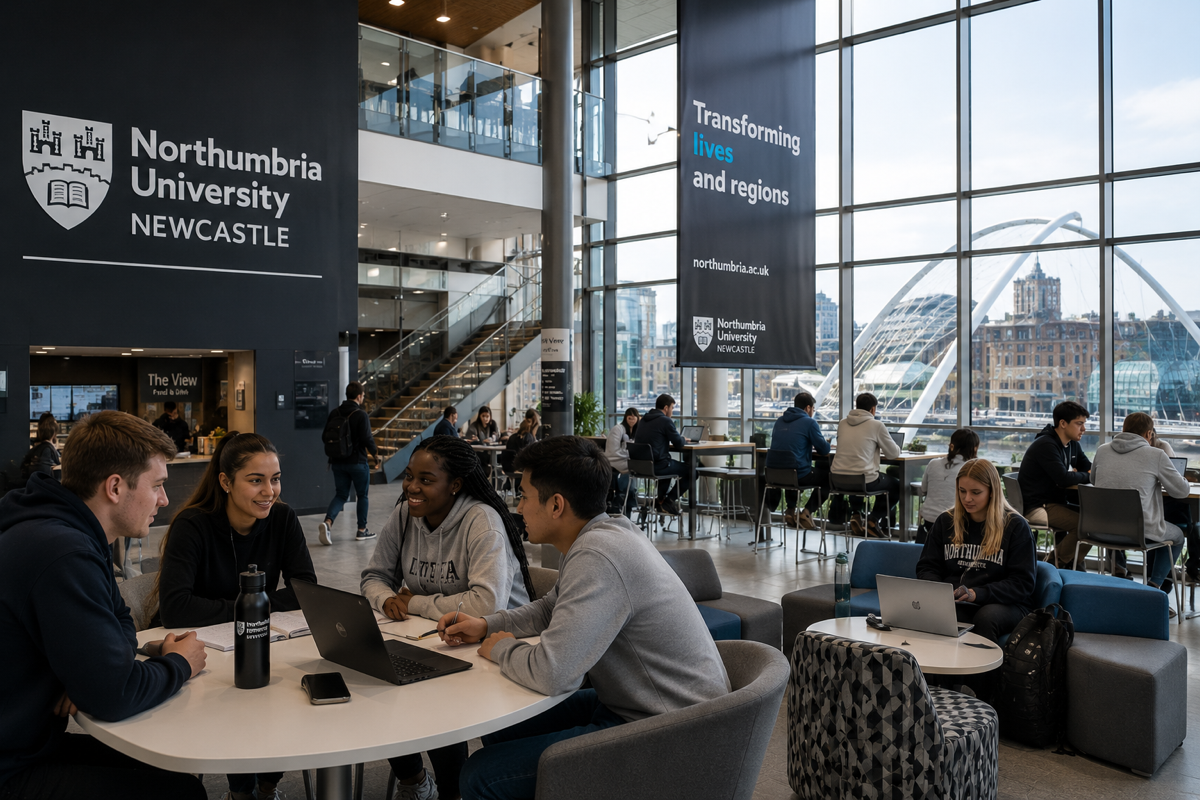
Product design is the discipline of creating objects and systems that work well for the people who use them, balancing functional performance, aesthetic quality, manufacturing feasibility and human factors in a process that moves from research through concept development to detailed specification and realisation. It is a discipline that spans the full range of designed objects, from everyday consumer products and medical devices to furniture, transport and digital-physical systems. Good product designers combine creative thinking with engineering understanding and a genuine empathy for the people whose lives their designs affect. Northumbria University's Extended Degree in product design runs over four years full time, incorporating a sandwich year with work placement opportunities and a year abroad, giving you an exceptionally rich set of professional and international experiences within the degree structure. The extended format provides additional time for creative and technical development, and the placement and international study components ensure you arrive at graduation with a portfolio grounded in real-world practice. The typical entry tariff is around 120 UCAS points. You will develop skills in design thinking, drawing, model-making, computer-aided design and prototyping alongside materials knowledge, manufacturing processes, sustainable design principles and the research methods used to understand users and markets. Northumbria has strong industry links and well-equipped studio and workshop facilities, and Newcastle's design and creative sector provides an active professional community to engage with during your studies. Graduates of product design programmes work in a wide range of sectors, including consumer goods, medical devices, transport, furniture, packaging, electronic products and interiors. Roles include product designer, industrial designer, design researcher, design manager and brand design consultant. Many graduates work in design consultancies, in-house design teams within manufacturing companies, and increasingly in organisations focused on design for sustainability, circular economy and socially responsible design. Postgraduate study in design innovation, sustainable design, service design or design futures is available for those who wish to develop a research or specialist practice.
Syllabus & Modules
Typical curriculumStudent Satisfaction
National Student Survey - 155 respondents (78% response rate)
Similarly Ranked Alternatives
What comes next? 🎓
Choosing the right university starts with choosing the right school. Explore transparent, data-driven school profiles powered by official DfE statistics.
Explore Schools on WhatSchool.ai →