High Drop-out Rate Alert
30% of students drop out or transfer from this specific course. Consider asking why on an open day.
BSc Politics and Sociology
About this course
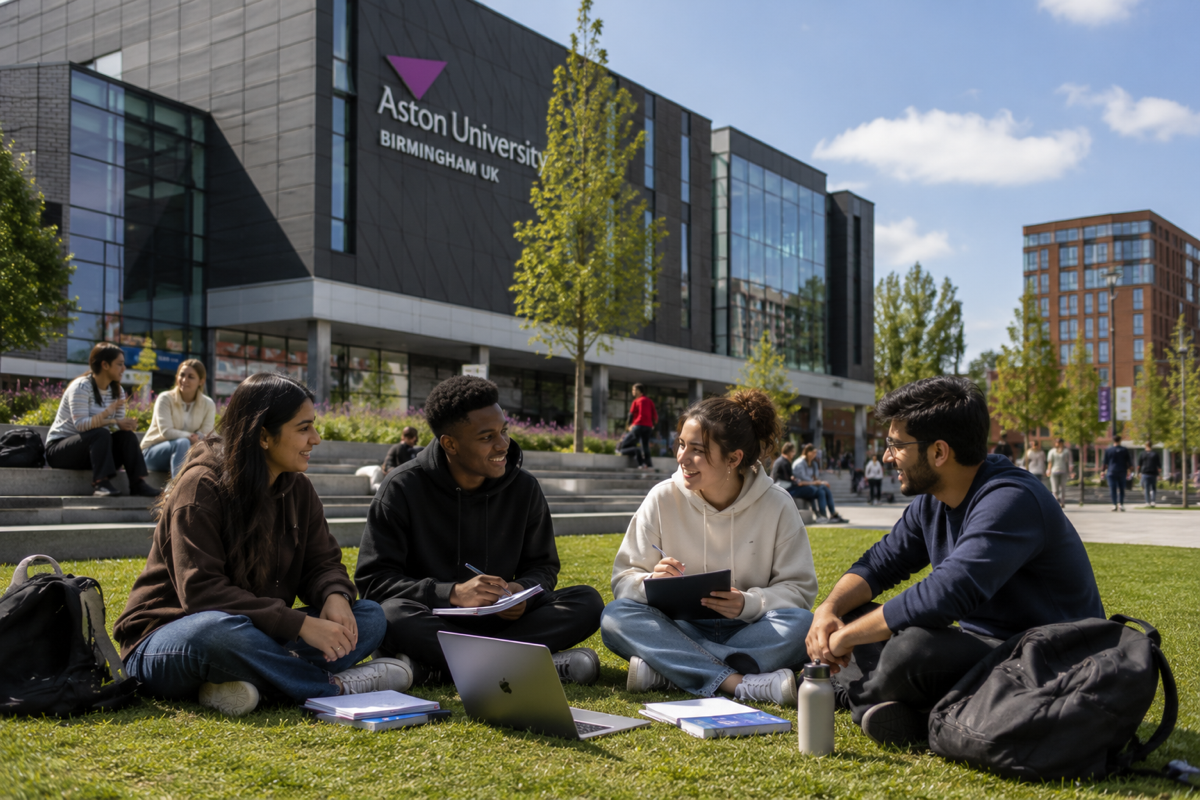
Politics and sociology are disciplines that illuminate the same terrain from different angles, and studying them together gives you a richer understanding of social life than either provides alone. Politics focuses on power, institutions, ideologies and the processes by which collective decisions are made, from electoral systems and party politics to international relations and political theory. Sociology examines the structures and processes that shape social life, including class, race, gender, inequality and the dynamics of social change. Together they give you both a micro and a macro understanding of how societies are organised and how they change. Aston University's three-year full-time programme includes a sandwich year with embedded work placement opportunities and a year abroad, providing professional experience and international study within a compact degree structure. Aston has a strong tradition of connecting academic study to professional practice, and the placement element reflects this emphasis. The typical entry tariff for this programme is around 120 UCAS points, and Aston's location in Birmingham, one of the UK's most politically and socially diverse cities, gives the programme a distinctive and relevant context. You will study political theory, comparative politics, political economy and policy analysis alongside sociological theory, research methods and empirical investigations of inequality, deviance, organisations and social change. The programme develops your ability to collect and interpret both quantitative and qualitative evidence, to construct and evaluate arguments across disciplinary boundaries, and to communicate findings clearly in writing and discussion. Graduates of politics and sociology programmes work in a wide range of careers including public policy, social research, community development, NGO and charity management, journalism, trade unions, political campaigning, local government and the civil service. The combination is also valued in human resources, diversity and inclusion roles, and corporate social responsibility functions within the private sector. The year abroad and work placement give graduates a professional foundation that helps them stand out in competitive graduate labour markets. Postgraduate study in social policy, politics, sociology, criminology or international development is a well-supported next step.
Syllabus & Modules
Typical curriculumStudent Satisfaction
National Student Survey - 50 respondents (84% response rate)
Similarly Ranked Alternatives


What comes next? 🎓
Choosing the right university starts with choosing the right school. Explore transparent, data-driven school profiles powered by official DfE statistics.
Explore Schools on WhatSchool.ai →