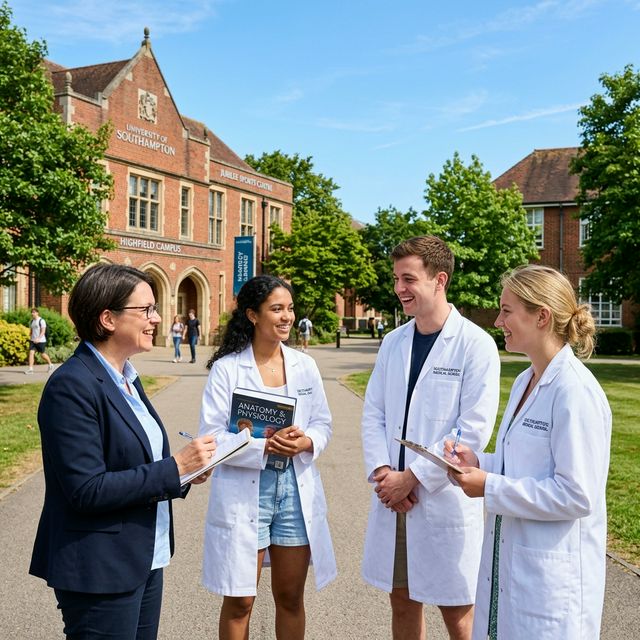
BSc Occupational Therapy
About this course
Occupational therapy is built on the understanding that the ability to participate in everyday activities is central to human health and wellbeing. When illness, injury, disability, or the challenges of ageing disrupt a person's capacity to work, care for themselves, maintain relationships, or pursue what matters to them, occupational therapists are trained to intervene, adapting activities, environments, and support strategies to restore as much function and independence as possible. It is a profession that combines clinical knowledge with creativity and a deep respect for individual lives. At Southampton you will develop the knowledge and skills to support people with psychological, physical, or social needs across a wide range of settings. The programme covers human anatomy, physiology, psychology, neuroscience, occupational science, and the theoretical frameworks that underpin occupational therapy practice. You will learn how to assess individuals' functional abilities, design therapeutic interventions, work with assistive technology and environmental adaptations, and collaborate effectively with patients, families, carers, and multidisciplinary healthcare teams. Clinical placements are an essential part of the programme, giving you real experience in hospitals, community services, social care settings, and specialist services for children, older adults, and people with mental health conditions. Graduates of this NHS-funded programme are eligible to register as occupational therapists with the Health and Care Professions Council and to work across the full range of health and social care settings. Career paths include NHS roles, local authority social care, independent and third-sector services, schools, prisons, and international positions. Many occupational therapists specialise in particular areas such as mental health, paediatrics, neurology, or vocational rehabilitation, and there are opportunities to progress to advanced practice, management, or postgraduate research.
Syllabus & Modules
Typical curriculumStudent Satisfaction
National Student Survey - 25 respondents (90% response rate)
Similarly Ranked Alternatives

What comes next? 🎓
Choosing the right university starts with choosing the right school. Explore transparent, data-driven school profiles powered by official DfE statistics.
Explore Schools on WhatSchool.ai →