
High Drop-out Rate Alert
20% of students drop out or transfer from this specific course. Consider asking why on an open day.
BA Music and Sound Production
About this course
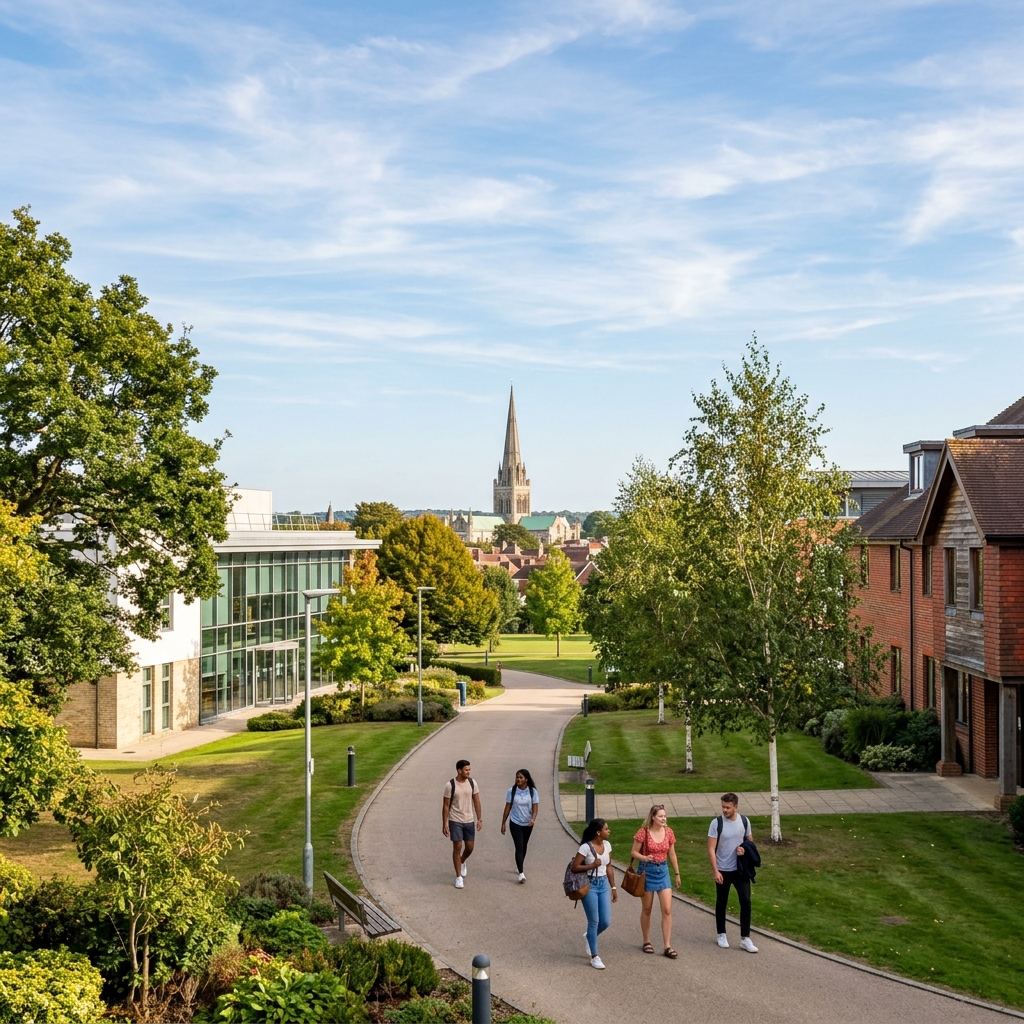
Music and sound production is a discipline that brings together the craft of making music with the technical and creative skills of recording, mixing, and sound design. Where traditional music education focused primarily on performance and composition, this degree addresses the modern reality that the vast majority of music audiences encounter is produced and mediated through technology. Understanding how sound is captured, shaped, and delivered is now as fundamental to musical practice as knowing how to play an instrument or write a melody. The two disciplines inform each other: musical knowledge makes better producers, and production skills expand a musician's creative possibilities. At the University of Winchester, this three-year full-time programme is built around the principle that you learn best by doing. You will develop your practical skills in studio recording, digital audio workstations, mixing, mastering, and sound design alongside your musical knowledge, building a portfolio of real work over the course of the degree that demonstrates your range and your abilities. The programme engages with music production across genres and contexts, from studio album production and live sound to film scoring and interactive media, giving you the breadth to work in a variety of professional settings. You will develop both technical fluency and the critical ear that distinguishes good production from mediocre work. With a typical entry tariff of 136 UCAS points, this degree attracts students who combine musical enthusiasm with curiosity about the technology that shapes recorded sound. Graduates pursue careers as music producers, audio engineers, sound designers, mixing and mastering engineers, live sound engineers, music technology teachers, and composers for screen and games. Many build freelance practices that combine several of these roles, while others work in recording studios, post-production facilities, broadcast organisations, or digital media companies. Some continue to postgraduate study in music technology, composition, or the music industries.
Syllabus & Modules
Typical curriculumStudent Satisfaction
National Student Survey - 15 respondents (87% response rate)
Similarly Ranked Alternatives



What comes next? 🎓
Choosing the right university starts with choosing the right school. Explore transparent, data-driven school profiles powered by official DfE statistics.
Explore Schools on WhatSchool.ai →