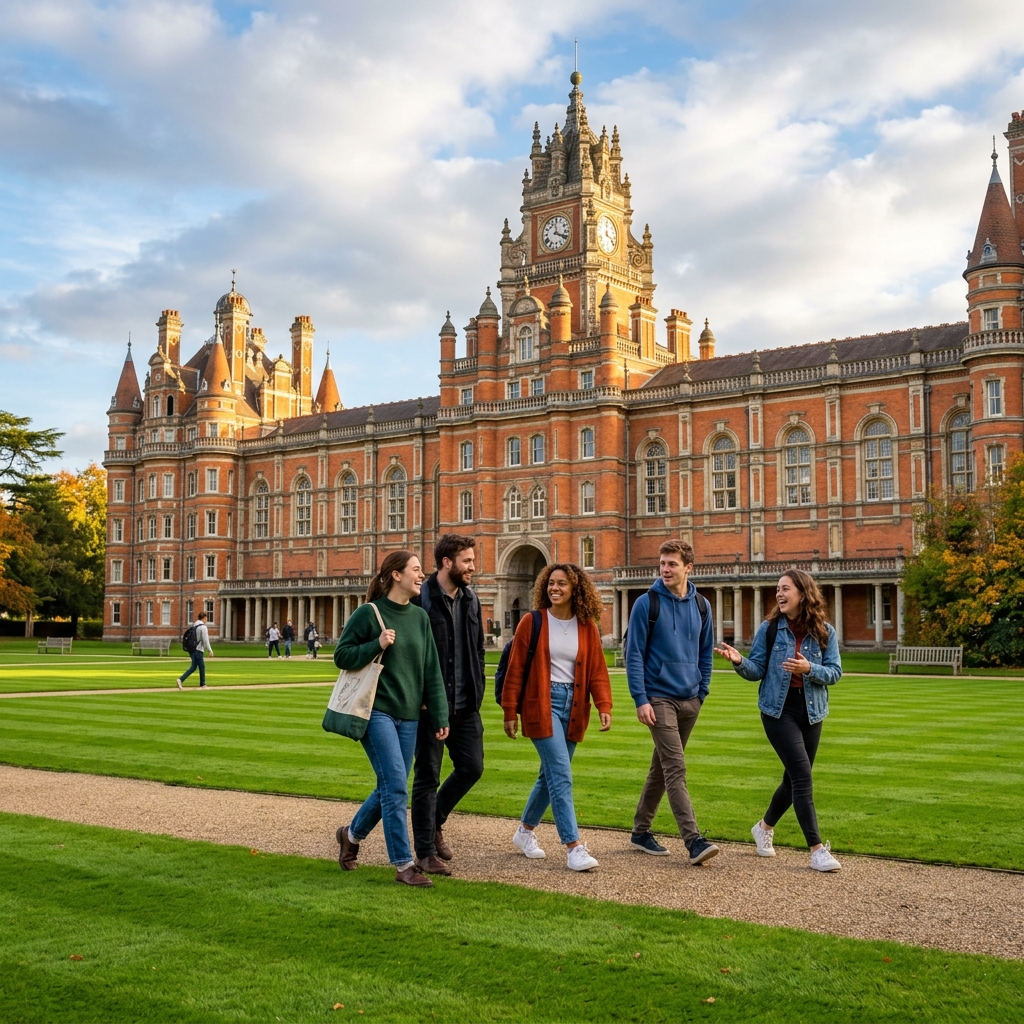
BA Modern Languages with International Relations
About this course
Modern languages with international relations is a combination that connects linguistic and cultural fluency to the study of the global political order. Language study at degree level develops genuine communicative and analytical depth, giving you access to cultures and literatures that cannot be fully understood in translation. International relations examines how states, international organisations, non-governmental actors and global forces interact, drawing on political science, history, economics and international law to address questions about conflict, cooperation, human rights, trade and the institutions that structure the international system. Together the two disciplines prepare you for a world where effective global engagement requires both the ability to communicate across language and cultural boundaries and the analytical frameworks to understand what is happening at the international level. At Royal Holloway you will study modern languages with international relations over four years of full-time study, with languages making up the substantial majority of the programme and international relations providing a focused and rigorous complement. A year abroad is integrated into the third year of the degree, immersing you in the language communities you are studying and developing the intercultural competency that professional language use requires. A sandwich year adds professional experience, and work placement is built into the programme structure. The typical tariff of 120 reflects a programme designed to develop high-level language ability alongside sound analytical understanding of international affairs. Graduates are well placed for careers in diplomacy, the civil service and foreign affairs, international organisations including the United Nations and the European Union, international NGOs, journalism with an international focus, translation and interpreting, international business, development agencies and policy research bodies. The language skills developed through this programme are particularly sought in organisations that operate across borders and need people who can communicate, negotiate and analyse in more than one language. Many graduates go on to postgraduate study in international relations, area studies, diplomacy or specialised language and translation programmes.
Syllabus & Modules
Typical curriculumStudent Satisfaction
National Student Survey - 140 respondents (72% response rate)
Similarly Ranked Alternatives



What comes next? 🎓
Choosing the right university starts with choosing the right school. Explore transparent, data-driven school profiles powered by official DfE statistics.
Explore Schools on WhatSchool.ai →