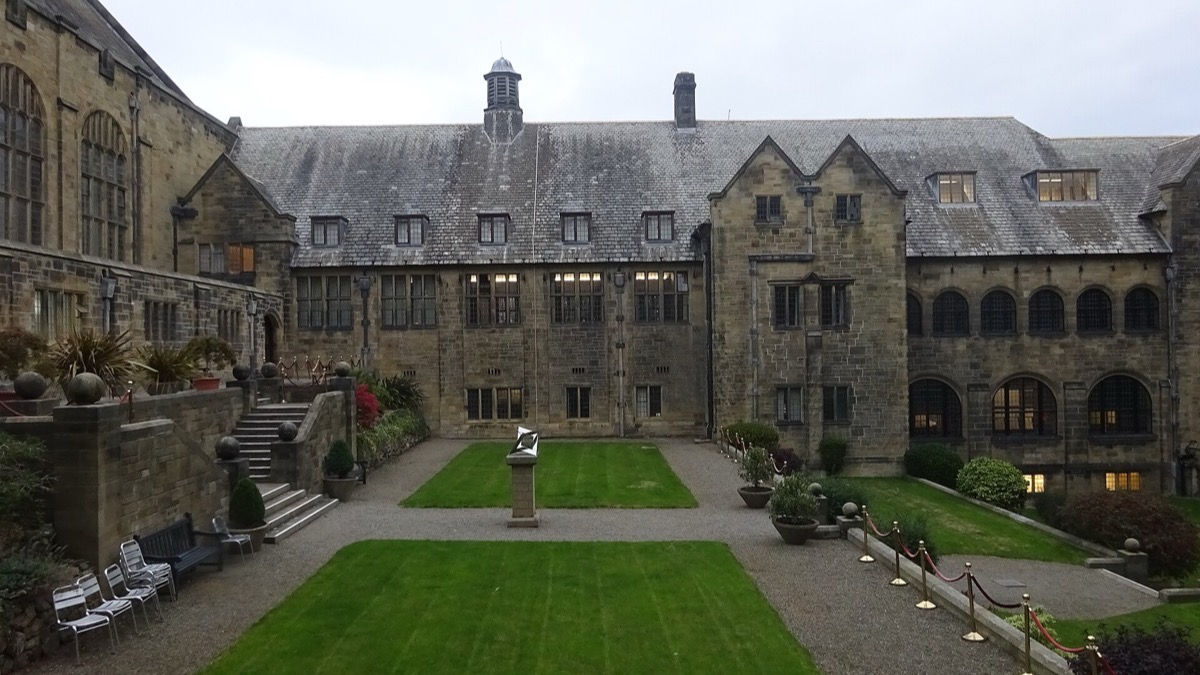
BA Modern Languages And Welsh
About this course
Modern languages combined with Welsh is a degree that sits at an interesting intersection: on one side, the major international languages of Europe and beyond, each with its own literary tradition, cultural history, and global professional reach; on the other, one of Europe's oldest living languages, with a continuous literary tradition stretching back over a thousand years and a community of speakers that remains vital and politically significant today. Studying them together at Bangor, in the heart of the Welsh-speaking world, gives you a linguistic and cultural formation that is genuinely distinctive. At Bangor University, this four-year, full-time programme is available with a foundation year for students who need additional preparation before entering the main degree, and it includes a sandwich year and work placement as part of the structured programme. You will develop proficiency in your chosen modern language or languages alongside serious Welsh language study, engaging with the literatures, histories, and contemporary cultures associated with each. The year abroad element typically plays a central role in languages degrees of this kind, and the programme is designed to ensure that your linguistic development is rooted in real contact with the communities and cultures where these languages are spoken. The typical entry tariff of 88 points reflects the foundation year entry requirements and an open approach to admissions. Graduates of modern languages with Welsh are well placed for careers in education, where Welsh-medium and bilingual schools have significant ongoing demand for qualified teachers. Translation, interpreting, broadcasting, public sector roles in Wales, cultural organisations, and the creative industries are also common destinations. The combination of international language competence and Welsh gives you a profile that is particularly valuable in Welsh public life and in organisations that work across Welsh and other language communities. Postgraduate study in linguistics, translation studies, Welsh studies, or a specific language is a natural next step for those who wish to specialise.
Syllabus & Modules
Typical curriculumStudent Satisfaction
National Student Survey - 15 respondents (85% response rate)
Similarly Ranked Alternatives

What comes next? 🎓
Choosing the right university starts with choosing the right school. Explore transparent, data-driven school profiles powered by official DfE statistics.
Explore Schools on WhatSchool.ai →