High Drop-out Rate Alert
20% of students drop out or transfer from this specific course. Consider asking why on an open day.
BA Medieval And Early Modern History
About this course
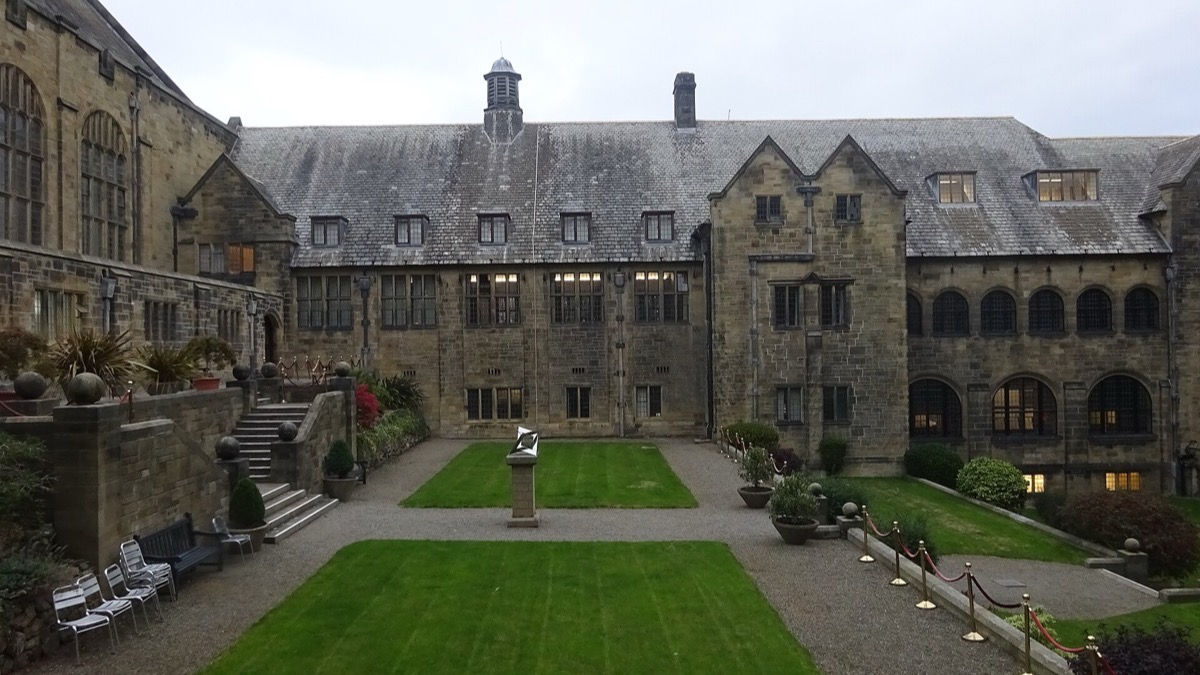
Medieval and early modern history covers one of the most dynamic and consequential periods in European and world history, from the collapse of the Western Roman Empire through the rise and fall of feudal structures, the Black Death, the Renaissance, the Reformation, the development of early modern states, and the beginning of European expansion that would reshape the globe. This is history at a moment of fundamental transformation, when the structures of society, the church, the economy, and political authority were all being remade, often violently and in ways that continue to shape the world today. Studying this period demands engagement with a wide range of sources, from chronicles and legal records to images and archaeological evidence, and the development of skills in palaeography and Latin that allow you to work with primary materials directly. At Bangor University, medieval and early modern history is studied within a programme that includes a foundation year, a sandwich year with a work placement, and a year abroad, providing a comprehensive range of experiences alongside the academic content. The foundation year builds the skills and knowledge needed for degree-level historical study. The main programme takes you through the major themes and debates of medieval and early modern history, developing your skills in source analysis, historical argument, and archival research. Bangor's location in North Wales provides particular opportunities to engage with Welsh and Celtic dimensions of medieval history that are less prominent in programmes focused solely on English or continental European perspectives. The work placement and year abroad provide professional and international experience that complements the academic work. History graduates from this specialist programme develop skills in research, critical analysis, and clear writing that are valued across many professional fields. Heritage and archive work is a natural destination for those with specialist knowledge of historical periods and primary sources. Museum curatorial roles, education, journalism, and publishing draw on the combination of subject knowledge and communication skills. The civil service, law, management consultancy, and the voluntary sector are further destinations for history graduates whose analytical and writing skills are valued broadly. Academic research in medieval or early modern history is the path for those who want to pursue the discipline professionally. Teaching history at secondary level is another significant route.
Syllabus & Modules
Typical curriculumStudent Satisfaction
National Student Survey - 25 respondents (62% response rate)
Similarly Ranked Alternatives


What comes next? 🎓
Choosing the right university starts with choosing the right school. Explore transparent, data-driven school profiles powered by official DfE statistics.
Explore Schools on WhatSchool.ai →